Sir Thomas More had achieved everything an Englishman could dream of. Friend of the king, Lord Chancellor of England, one of the most brilliant minds of the Renaissance—his wit, wisdom, and integrity were renowned throughout Europe. Erasmus called him the best friend he ever had.
Faith Over Political Pressure
But in 1534, all of it was stripped away over a single question: Would Thomas More swear an oath recognizing King Henry VIII as the Supreme Head of the Church of England?
More would not.
It was not that he wished to make himself a martyr. For fifteen months after resigning as Lord Chancellor, More kept silent on the matter, hoping his refusal without explanation would allow him to live quietly. He never publicly condemned the king or his new marriage to Anne Boleyn. He simply would not affirm what his conscience told him was false.
"I am the King's good servant," More would later say, "but God's first."
Standing Firm in Persecution
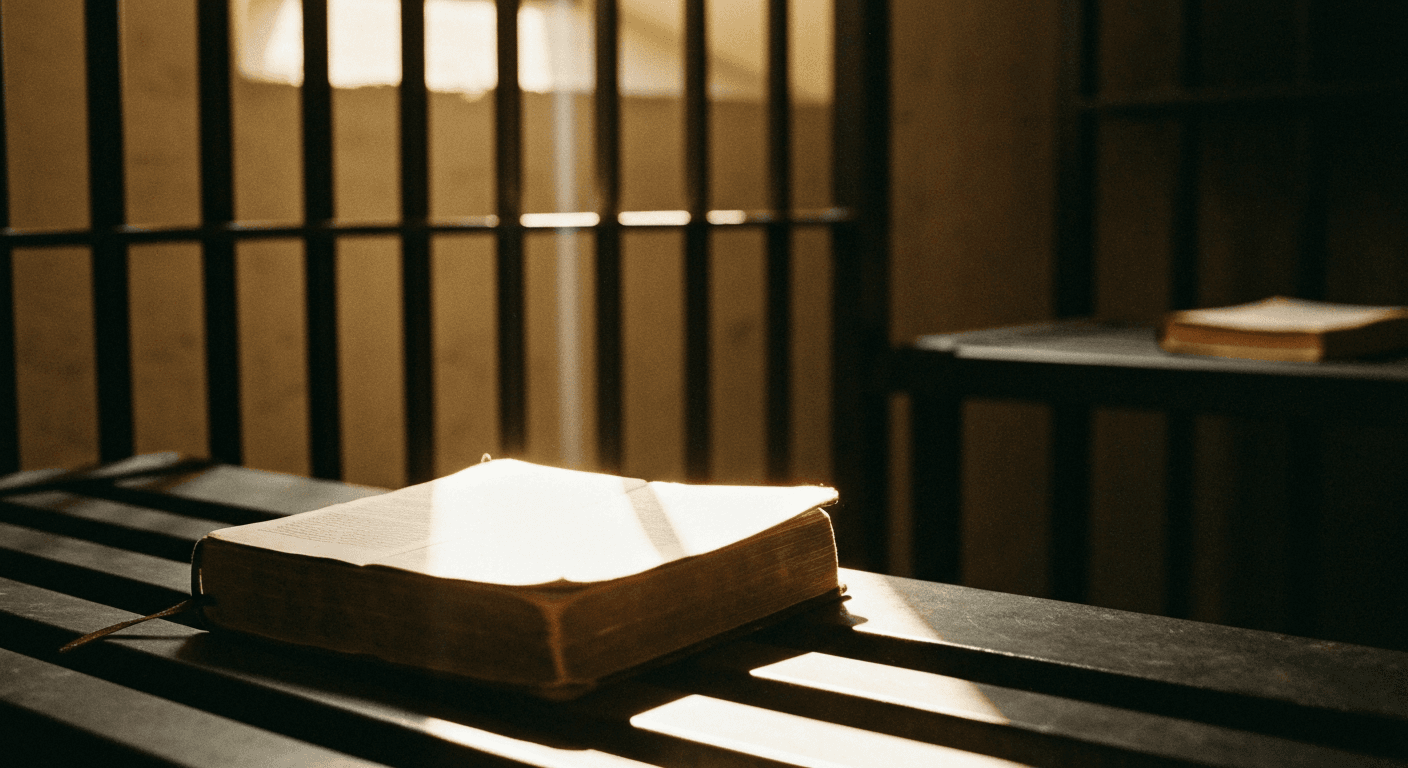
When silence was no longer enough, More was arrested and imprisoned in the Tower of London. For over a year, he endured interrogation after interrogation, each time refusing to speak his mind directly, knowing that any words against the king's supremacy would mean his death.
During those long months in the Tower, More's faith deepened rather than wavered. He wrote prayers and meditations, including his Dialogue of Comfort Against Tribulation—a profound reflection on suffering written in the shadow of his own execution.
"Give me, good Lord, a longing to be with you," he wrote, "not to avoid the calamities of this world, nor even to avoid the pains of purgatory or hell itself, nor even to attain the joys of heaven—but simply for love of you."
Thomas More's Final Testimony
On July 1, 1535, More was finally brought to trial on charges of treason. Only then, knowing the verdict was certain, did he speak plainly: "No temporal prince may by any law presume to take upon him what properly belongs to the See of Rome."
Five days later, on July 6, 1535, Thomas More climbed the scaffold on Tower Hill. His last words revealed where his heart had always been:
"I die the King's good servant, but God's first."
One blow of the executioner's axe took his head. His body was buried at the Tower; his head was boiled and placed on a pike on London Bridge.
A Saint's Lasting Legacy
Charles V, Holy Roman Emperor, mourned that Henry had killed "the only man in England worthy of the name of statesman." In 1935, four hundred years after his death, Thomas More was canonized as a saint. In 2000, Pope John Paul II declared him the patron saint of statesmen and politicians.
The man who had everything chose to lose it all rather than betray his conscience—and in doing so, gained what no king could ever take away.
