How to Build a Culture of Remembering in Your Church
Build a culture of remembering in your church. When a community recalls what God has done, trust grows for what comes next. A practical guide for leaders.

Imagine a church where people regularly remind each other of what God has done.
Not in a performance sense. Not a curated highlight reel from the stage on a Sunday. But an ordinary, weekly rhythm where someone in your small group says, "I want to tell you what happened this month."
What would that do to the faith of a congregation?
Not just to individuals, but to the whole room. The whole year. The whole community's capacity to believe God for what is coming, when it has not arrived yet.
This is a practice, and it has ancient roots.
God Built Remembering Into His People
The Psalms of Ascent (Psalms 120 to 134) were sung by Jewish pilgrims as they travelled up to Jerusalem for the festivals. Long roads. Hard walking. Communities of people moving together toward something sacred.
And as they walked, they sang their history. God's faithfulness to their ancestors. The stories of deliverance. The record of what He had done. The singing was fuel: how they arrived at Jerusalem still believing.
Communal remembering was built into Israel's worship calendar.
Jesus continued this pattern. When He broke bread with His disciples and said, "Do this in remembrance of me," He was giving His followers a ritual specifically designed to keep His story alive in their bodies, their gathering, and their community. Communion is a built-in act of collective memory, embedded in the life of the church.
The church has always been a community of memory. The question is whether any given congregation lives like it.
The Problem in Many Churches Today
Testimony time is one of the most awkward five minutes in many church services.
It often goes one of two ways. Either a carefully vetted story is shared from the stage, polished and produced, leaving everyone else feeling like their week was too ordinary to count. Or the open mic becomes a rambling update with no clear landing, and the congregation quietly shifts in their seats.
Neither cultivates a culture of remembering.
Many churches also speak about God's faithfulness in the past tense only. The Exodus. The early church. The revivals of the nineteenth century. These are important. But a congregation that only remembers what God did for other people in other centuries gradually loses its expectation that He is still at work now, in this room, in these lives.
The culture of remembering has to be rebuilt. And it does not start with the Sunday service.
It starts small.

Three Practical Approaches
1. The "One Thing" Practice in Small Groups
At the start or end of every small group meeting, each person answers one question: "What is one thing God did in your life this month?"
Not a theological treatise. Not a confession. One specific, concrete thing.
This practice does several things at once. It builds the habit of noticing. It trains people to look for God's activity in their ordinary days, which is the heart of the spiritual discipline of remembering. It creates a shared record of testimony across the group. And over time, it means that every person in that room has heard dozens of small testimonies from the people sitting next to them.
That shared record becomes a source of encouragement when someone faces a hard season. The group can say: "Remember what you told us in March? Remember what happened with your son? God was faithful then. He is faithful now."
2. Shared Prayer Records
When a small group prays for something, write it down. Date it. Keep a shared record of what was prayed for.
Then, when something happens, when the prayer is answered or when circumstances shift in an unexpected way, note that too. Review the record together once a quarter.
This is about building a visible history of the group's life with God, prayer as honest record-keeping, not as a vending machine. Over time, that history becomes one of the most faith-building things a small group can possess.
Answered prayers, recorded and revisited, create a cumulative case for God's faithfulness that no sermon can manufacture.
3. A Community Grace Record Moment
Once a season, set aside time in your small group or church gathering specifically for testimony sharing. Not open-mic chaos. A structured, intentional moment.
Ask people in advance. Give them the question: "What is one story of what God has done in your life that you want this community to hold with you?"
Record the stories. Write them down. Keep them somewhere the community can return to. Doxa for Churches, in the Doxa app, gives the group one shared place to keep them.
Stories shared and kept become a community's heritage. They become what you reach for when the congregation is discouraged, when the church faces difficulty, when faith needs to be rebuilt from the ground up. You reach for the record. You remind each other of what you have all witnessed.
Why This Matters for Church Health
A church that remembers what God did is a church that can believe God for what is coming.
Memory fuels faith: memory as evidence, looking backward with conviction that God has been faithful before and can be trusted again.
Congregations that have no living memory of God's activity become anxious, performance-oriented, or cynical. They replace testimony with production, or they become so focused on certainty and correctness that wonder and expectation drain away.
A community of remembering is the antidote: a practice, a rhythm, a culture built over years of telling each other what God has done.
How Doxa Supports This Culture
Doxa is designed for individuals, but the Groups feature is built for communities.
Within a small group or church community, members can share testimonies, encouragements, and records of what God has done. A small group can build a shared record together, accessible to every member, searchable, and preserved over time.
This is about giving a community a place to keep its story. So that when someone is in a hard season, the group's history of God's faithfulness is available. Not in someone's memory, where details blur. In a record, where the specifics stay alive.
A church that remembers is a church that hopes. Doxa is designed to help communities do both.
Frequently Asked Questions
What does it mean to build a culture of remembering in a church?
A culture of remembering is an ongoing community rhythm, not a one-off event, where members regularly recount what God has done in their lives. It might look like a weekly "one thing" practice in a small group, a shared record of answered prayers reviewed each quarter, or a seasonal testimony moment where stories are captured and kept. Over time, this shared history becomes the congregation's evidence for trusting God in whatever comes next.
Why do churches struggle with testimony culture?
Two common traps undermine testimony culture: polished stage stories that make ordinary moments feel insufficient, and open-mic formats with no structure or landing. Both leave most people feeling like their week does not count. Rebuilding the culture starts small: one question per small-group meeting, one recorded story per season, so ordinary faithfulness becomes the norm rather than the exception.
How do you start a prayer record in a small group?
Write down what the group prays for, date it, and keep it where every member can reach it; Doxa for Churches in the Doxa app gives the whole church one shared record for this. When circumstances shift, whether or not the answer looks the way you expected, note that too. Review the record together once a quarter. A visible history of the group's life with God, built up over months and years, creates a cumulative case for God's faithfulness that no single sermon can manufacture.
Can a digital tool help a church community remember together?
Yes: the right tool preserves specifics that memory blurs. Doxa's Groups feature lets a small group build a shared record of testimonies, encouragements, and answered prayers that is searchable and accessible to every member. When someone enters a hard season, the group's history is available as evidence, not just sentiment. Doxa is a place for a community to keep its story.
Doxa is built for individuals and communities who want to remember what God has done. See how Doxa supports churches and small groups.
Keep Reading
Download Doxa, the app for recording, weighing and remembering prophetic encouragement.


Read next


From the Grace Record
Real accounts of what God has done, drawn from 2,000 years of believers.
 Bristol, City of Bristol
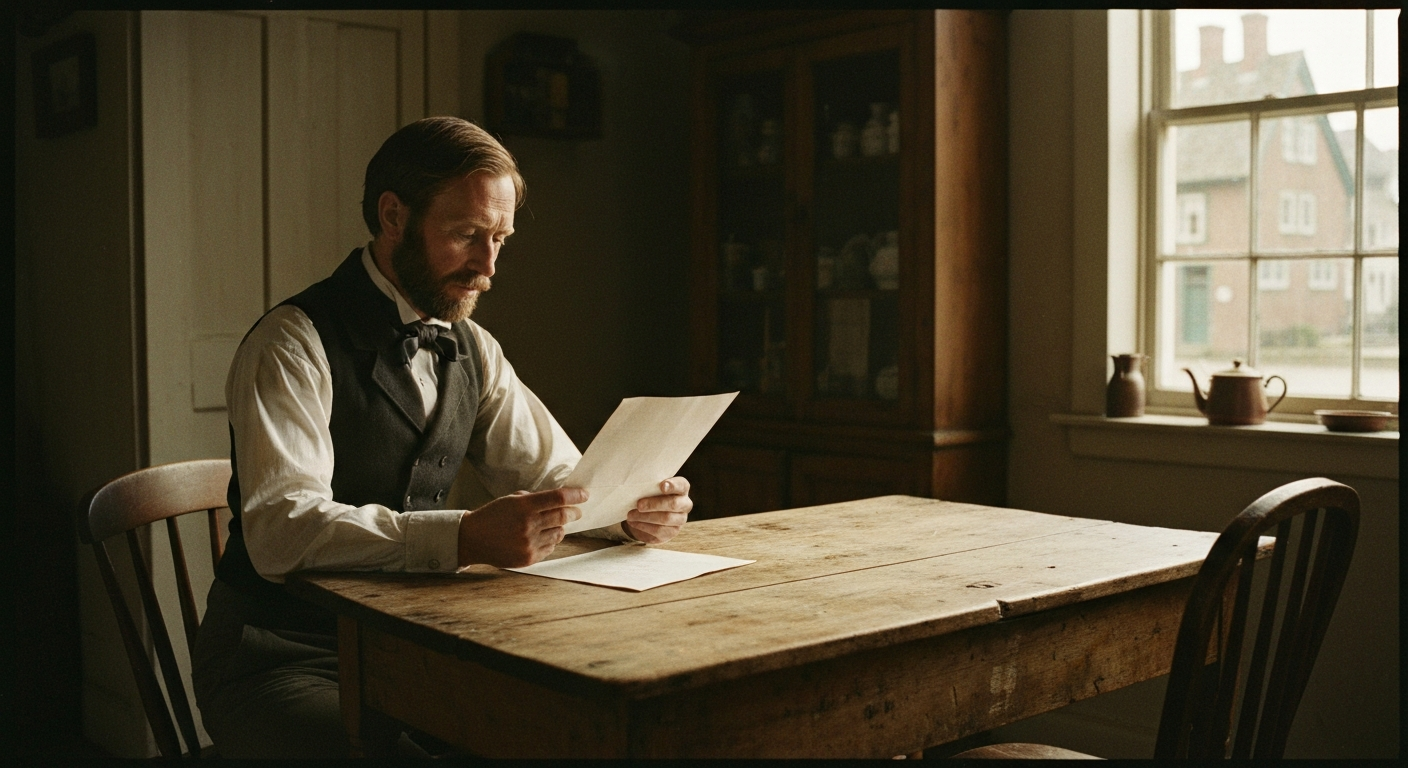
 When the Check Came - George Müller's Orphanages
George Müller cared for over 10,000 orphans in Bristol, England without ever asking anyone for money, trusting only God's provision through prayer.
Read the story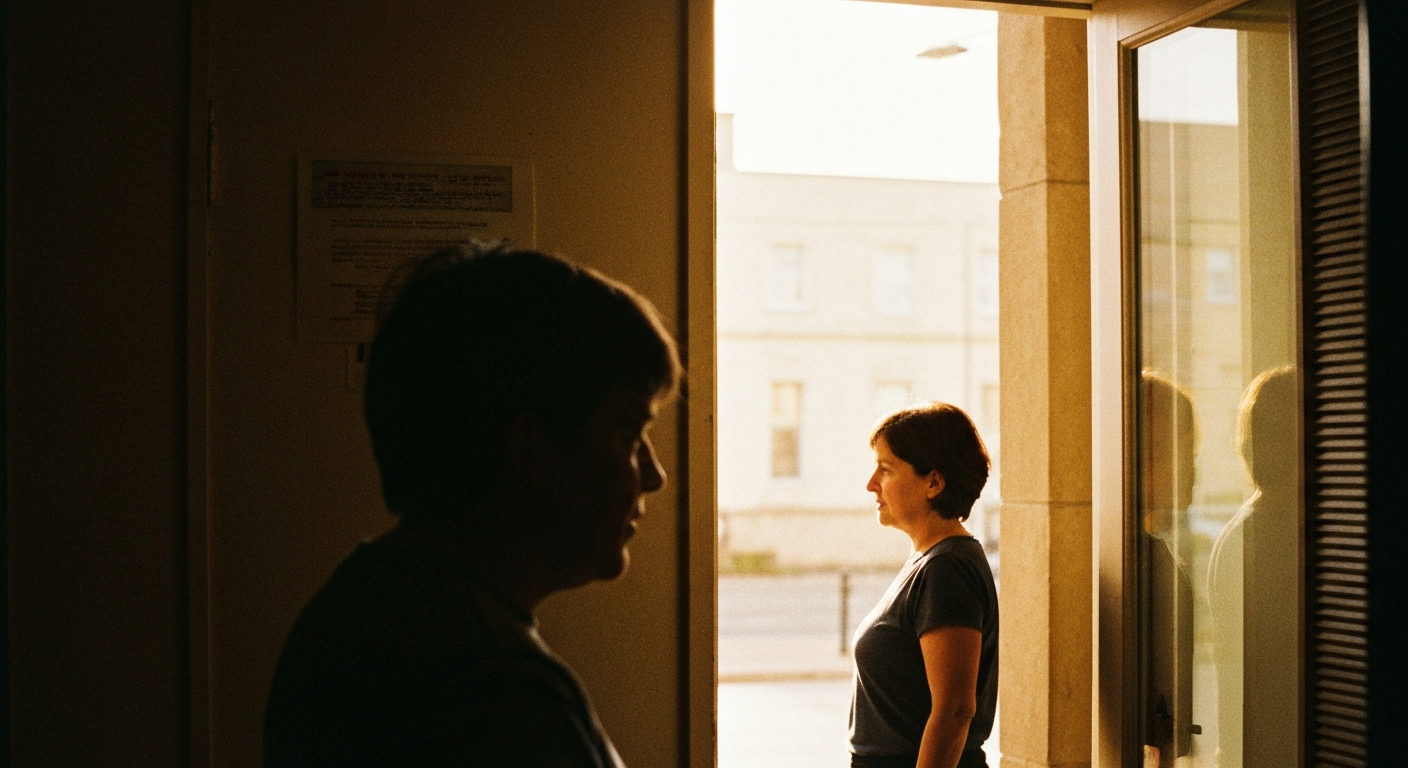 Iran
Iran The Women Who Lead Iran's Underground Church When the Men Were Taken to Prison
When Iranian authorities imprison male house church leaders, women step forward to lead, teach, and multiply the underground church, making them the backbone of the fastest-growing church movement in the world.
Read the story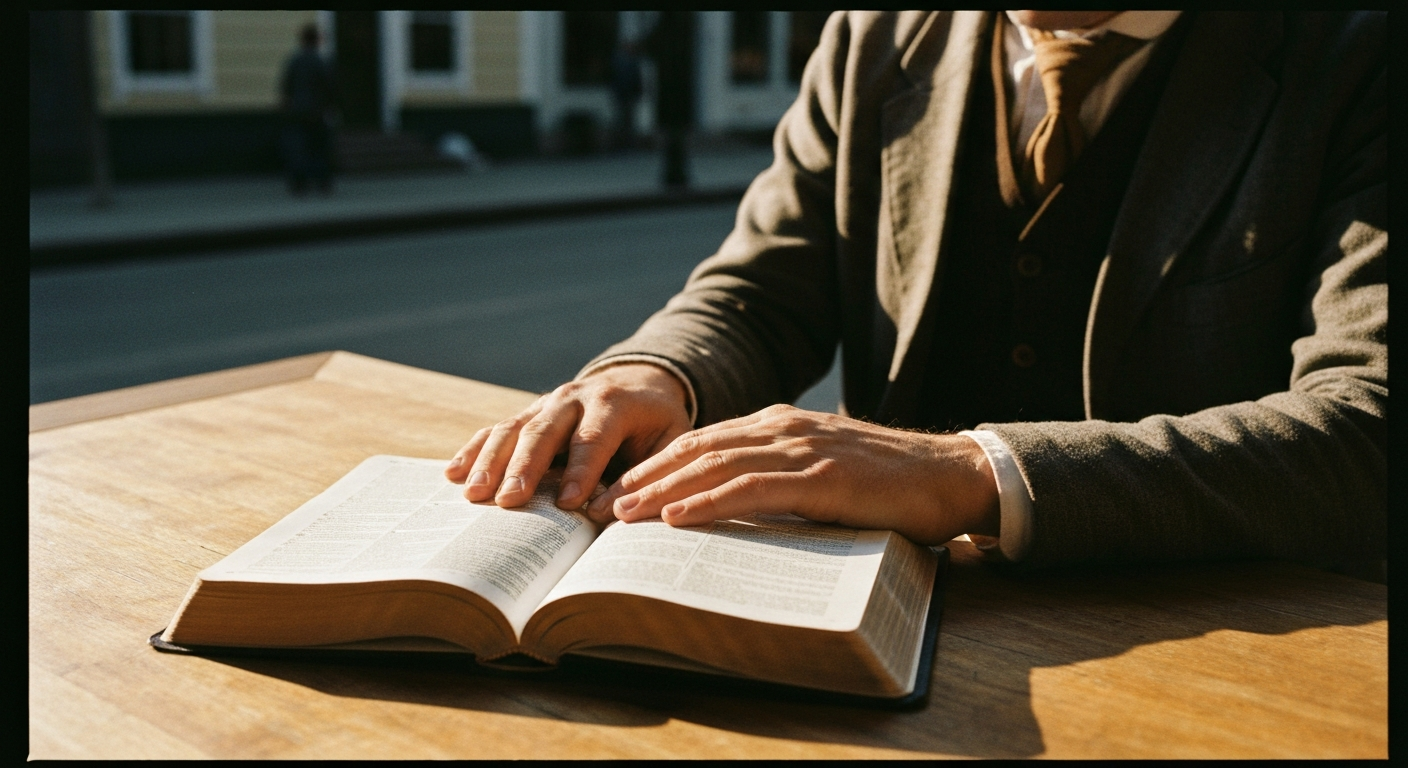 Samaria / Rome
 Justin Martyr: Philosopher Found True Wisdom
A Greek philosopher in 2nd century Rome searched through Stoicism, Platonism, and other philosophies before encountering Christianity.
Read the story