Why Do Prophetic Words Fade? And What to Do About It
Why do words from God fade over time? There is a pattern most believers know but rarely talk about. Here is what causes it and what you can do about it.

You remember how it felt when you first received it.
Someone looked at you and said something from God. Something that felt specific. Something that seemed to see past the surface of your life to something truer underneath.
You left that room certain. Alive. Like the horizon had shifted.
Then six months passed. Then a year. Then more.
And somewhere along the way, the certainty got quiet. The details blurred. What once felt electric now sits at the edge of memory, hazy and half-formed.
This is a pattern the Bible addresses directly.
This Is a Recognised Pattern.
God's encouragements fade from memory for three reasons. They are ordinary, predictable, and entirely addressable.
First: we do not write them down.
We receive something beautiful and trust we will remember it. We won't. The human mind is not built for perfect recall of emotional and spiritual experiences. The feeling fades, and the details go with it. What remains is an impression, not a record. An impression is hard to fight with.
Second: the enemy actively works against your memory.
Jesus said it plainly: "The thief comes only to steal and kill and destroy" (John 10:10). That theft is not only of circumstances. It is of confidence. Of identity. Of the specific words God placed in your life.
Graham Cooke has taught on this pattern for years. The enemy's strategy is not always direct attack. Often it is amnesia. He cannot take your encouragement away from you, but he can make you forget it. And a forgotten word is a neutralised weapon. You cannot fight with what you cannot remember.
Third: we wait for the word to be fulfilled instead of using it now.
This is subtle but important. When God speaks something about your future, there is a temptation to file it away and wait. But the encouragement God gives you is not meant to sit in a drawer until the season it describes arrives. It is meant to carry you there. It is fuel for the road, not a reward at the end of it.

Amnesia Is a Strategy
Kris Vallotton often says that prophetic words establish identity before assignment. God speaks to who you are becoming before you arrive there. He calls you a leader before you have led anything. He names you faithful before the faithfulness has been tested.
When you forget what God said about who you are, you drift back into who the world says you are. The voices around you, the disappointments behind you, and the fears inside you fill the space the forgotten word once occupied.
This is why memory matters so much in the life of faith. It is identity maintenance: not nostalgia, not sentiment. The word God spoke re-anchors you to the version of yourself He is shaping, even when your present circumstances look nothing like it.
Amnesia, then, is strategically disorienting. And the enemy knows it.
Paul Was Not Being Poetic
Look at what Paul wrote to Timothy (explored in depth in Timothy's Prophecies: Weapons Paul Told Him to Fight):
"This charge I entrust to you, Timothy, my child, in accordance with the prophecies previously made about you, that by them you may wage the good warfare." (1 Timothy 1:18)
"By them you may wage the good warfare."
That verb is active. It is military language. Paul was not telling Timothy to cherish his personal prophetic words (the specific encouragements God had spoken over his life through others). He was telling him to deploy them. To fight with them. To reach for them in the hard moments, not the triumphant ones.
Timothy was expected to use what God said as a weapon in seasons of difficulty. The encouragement was not a certificate to frame. It was ammunition for the ongoing battle of living a faithful life.
You cannot deploy what you have forgotten.
You cannot fight with a weapon you left behind.
What You Can Do Starting Now
None of this is irreversible. Here is what helps.
Write it down immediately. The moment someone tells you something they believe God is saying to you, or the moment something lands in prayer or Scripture with unusual weight, write it down in your own words. Do not trust the feeling to last. Trust the record. Capturing a word like this in the moment is the reason the Doxa app exists, and this comparison of apps for capturing prophetic words shows the options.
Date it and name it. Context matters. Knowing that God encouraged you about your career in November 2023, during the hardest month of a difficult year, changes how you read that encouragement later. The circumstances around it are part of the testimony.
Review it in hard seasons, not just good ones. This is counterintuitive. We tend to revisit encouragements when life is good and put them away when life is difficult. Reverse that. When you are low, that is when the record of what God said becomes most important. You are not doing this to manufacture false optimism. You are doing it to remind yourself of what is true, even when it does not feel true.
Share it with someone who can hold it with you. Tell a trusted friend or mentor what you received, and ask them to remind you of it. Community is one of the most underrated ways of keeping God's encouragements alive. When you forget, someone else can remember on your behalf.
This Is Why Doxa Exists
Doxa is here to help you hold onto what He already said, not to generate new words or tell you what God is saying.
The Encouragement Vault is a place where you can record, date, and keep the specific words and moments that God has placed in your life. Voice notes, text records, and Scripture passages that found you at the right moment. A record you can return to. A collection you can search when you are in a hard season and need to be reminded of what is true.
Because a 10-year-old encouragement, revisited when you need it most, can carry more weight than the day it was first spoken.
But only if you kept it.
FAQ
Why do prophetic words fade over time?
Prophetic words and personal encouragements from God fade for three predictable reasons: they are not written down, memory smooths over the details until only an impression remains, and the temptation to file a word away and wait for its fulfilment means it never gets used in the present. The human mind is not built for perfect recall of spiritual experiences. What feels certain and alive in the room where a word is spoken can feel distant and hazy within a year, not because the word was false, but because nothing preserved it.
Is it a lack of faith when a prophetic word fades?
No. Forgetting is a human pattern the Bible addresses directly and without shame. The same people who watched the Red Sea part were worried about water three days later (Exodus 15:22-24). God knew His people would be prone to forgetting, which is why He gave instructions to remember: to build altars, to write things down, to tell their children, to meditate on what He said. The answer to fading is not more faith; it is a better system for preserving what God said while it is still clear, and returning to it in the seasons when it matters most.
How do I use a prophetic word in difficult seasons?
Paul told Timothy to use the prophecies made over him to "fight the good fight" (1 Timothy 1:18, BSB): that language is active and military, not passive or sentimental. A personal word from God is not a certificate to frame; it is something to reach for in hard moments. The practice is to record the word in full as soon as you receive it, date it and note the circumstances, and then specifically return to it when you are in a valley rather than waiting for a triumphant moment. A word revisited in difficulty can carry more weight than the day it was first spoken. The Encouragement Vault in the Doxa app holds each word with its date and setting for exactly those valleys.
What is the best way to keep a prophetic word from being forgotten?
Write it down immediately, in your own words, with the date and context. Do not trust the feeling to last; the feeling fades, but the record does not. Then share it with someone who can hold it with you, because community is one of the most underused ways of keeping a word alive. When you forget, a trusted friend can remember on your behalf. Doxa's Encouragement Vault is built for this: a searchable record of what God has said and done, available when you need to be reminded of what is true.
Keep Reading
- How to Remember a Prophecy: A Practical Guide
- Personal Prophecy App: Why Remembering Changes Everything
- Timothy's Prophecies: Weapons Paul Told Him to Fight
- How to Remember What God Said to You
Doxa is built to help you remember what God said. Record your encouragements in the Encouragement Vault, revisit them when life gets hard, and let God's words fuel you for the whole journey. Start building your Encouragement Vault.

Download Doxa, the app for recording, weighing and remembering prophetic encouragement.


Read next


From the Grace Record
Real accounts of what God has done, drawn from 2,000 years of believers.
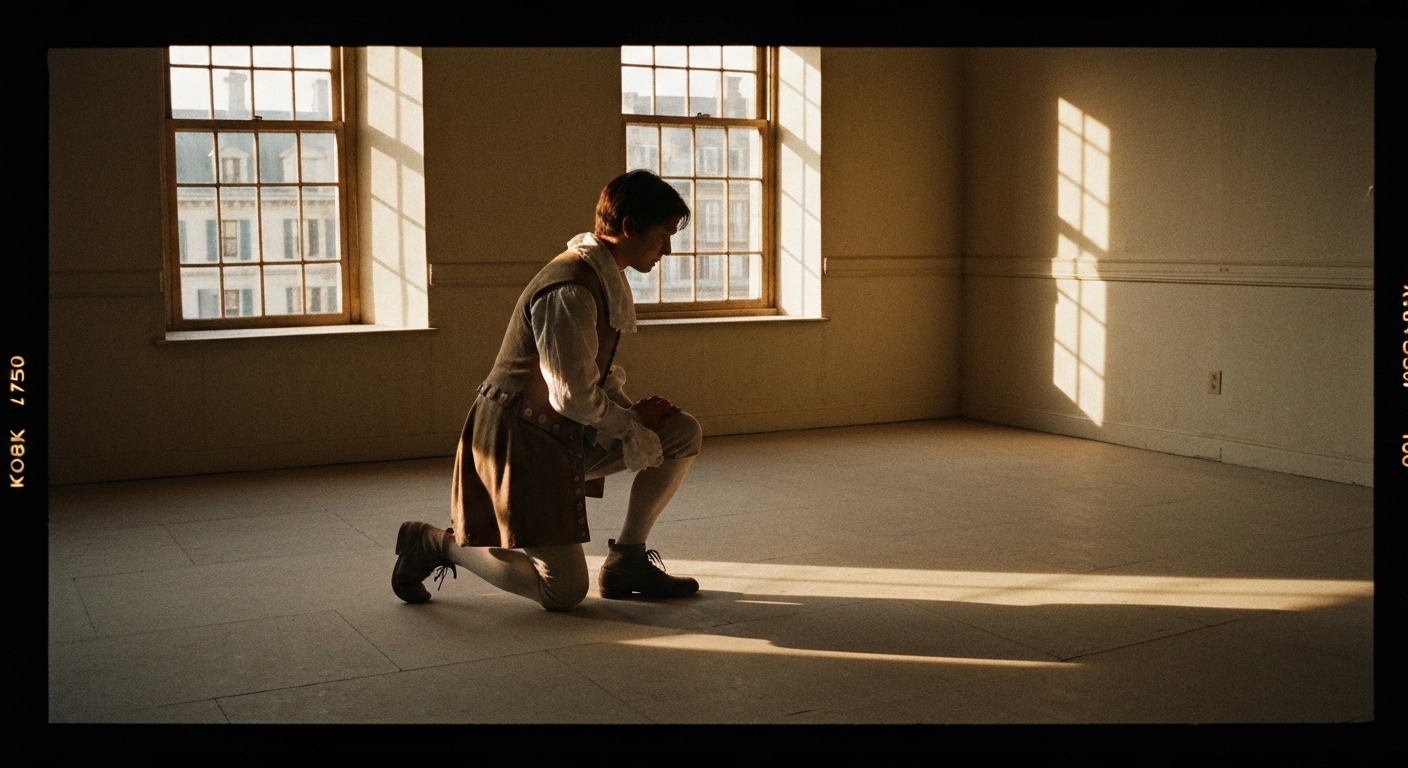 Leipzig, Saxony
 Johann Sebastian Bach - Every Note for God's Glory
Johann Sebastian Bach dedicated his entire musical genius to God's glory, writing 'Soli Deo Gloria' on his compositions and serving as a church musician.
Read the story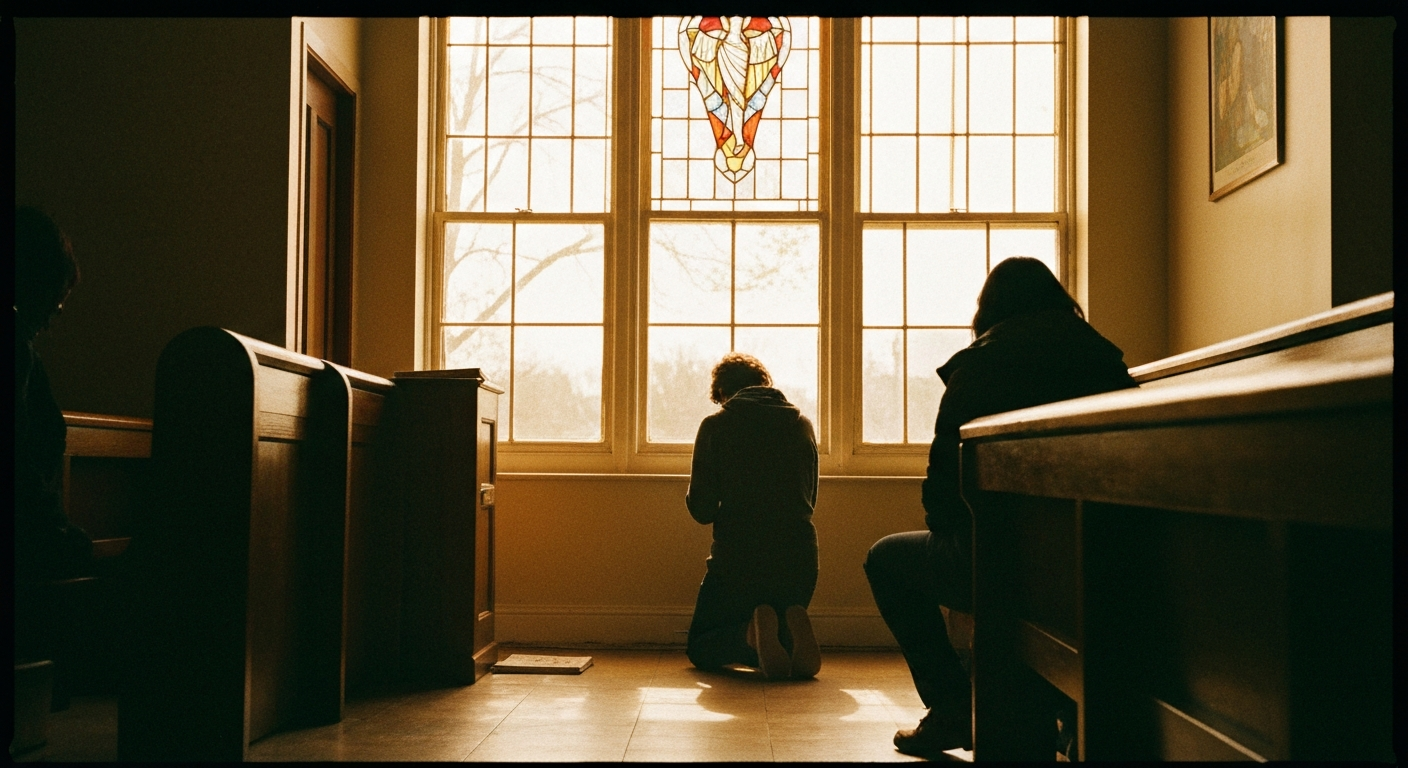 Iran
Iran Inside Iran's Underground Church
Iran's underground church is one of the fastest-growing in the world, the Holy Spirit is reaching Muslims through dreams, healings, and secret house churches despite severe persecution.
Read the story Bristol, City of Bristol
 When the Check Came - George Müller's Orphanages
George Müller cared for over 10,000 orphans in Bristol, England without ever asking anyone for money, trusting only God's provision through prayer.
Read the story