Carrying the Fire Forward
Building a culture of remembering in your church, small group, and home
Before the session
Read this. Come ready to commit to one practice you will carry forward into the rest of your life — not something ambitious that you will abandon in four weeks, but something small and sustainable.
Where this course has brought you
Look back over seven weeks.
Week one you sat in silence and asked if God would speak. Week two you let Him name you. Week three you learned to test what you hear. Week four you captured a word properly for the first time. Week five you let love become the floor. Week six you spoke a word into someone's life and received one into yours.
You have moved from I don't know if God speaks to me to I have heard, tested, recorded, and given a word from God.
That is not a small arc.
But here is the honest part: almost every small group that has ever done a course on prophecy, or hearing God, or spiritual gifts, has fallen back into silence within a few months of finishing. Not because the course failed. Because nothing was built to carry the fire forward.
This week is about making sure this does not end when we stop meeting.
What a culture of remembering looks like
When Moses is preparing Israel to enter the promised land, he gives them a passage they will still be reciting thousands of years later — the Shema:
"Hear, O Israel: The Lord our God, the Lord is one. You shall love the Lord your God with all your heart and with all your soul and with all your might. And these words that I command you today shall be on your heart. You shall teach them diligently to your children, and shall talk of them when you sit in your house, and when you walk by the way, and when you lie down, and when you rise. You shall bind them as a sign on your hand, and they shall be as frontlets between your eyes. You shall write them on the doorposts of your house and on your gates." (Deuteronomy 6:4-9)
This is a culture, not an event. A rhythm of remembering that runs through the ordinary hours of a life. When you sit, when you walk, when you lie down, when you rise. In the house. On the road. On the body. On the doorposts.
A culture of remembering is the normal environment of a family that belongs to God. Not a conference once a year. A rhythm that the children absorb simply by being present.
What this looks like for you
You cannot build a whole culture overnight. But you can build small rhythms that compound.
In your own life:
- A place where words from God are kept. One place. Doxa, a notebook, a document. Commit.
- A weekly rhythm of return. Once a week, open what is kept and re-read something. Ten minutes.
- A daily listening time. Even five minutes. Ask a question. Write what comes.
- An annual review. Every January, read back over the words from the previous year. Mark what has come true. Mark what you are still waiting on.
In your small group or church:
- Encouragement at the table. Every time you gather, leave room for someone to offer a word of encouragement to someone else. Even two minutes.
- Testimony moments. Ask regularly: "Where has God been faithful lately?" Not "What is a struggle?" Both questions matter. The second is asked constantly. The first, rarely.
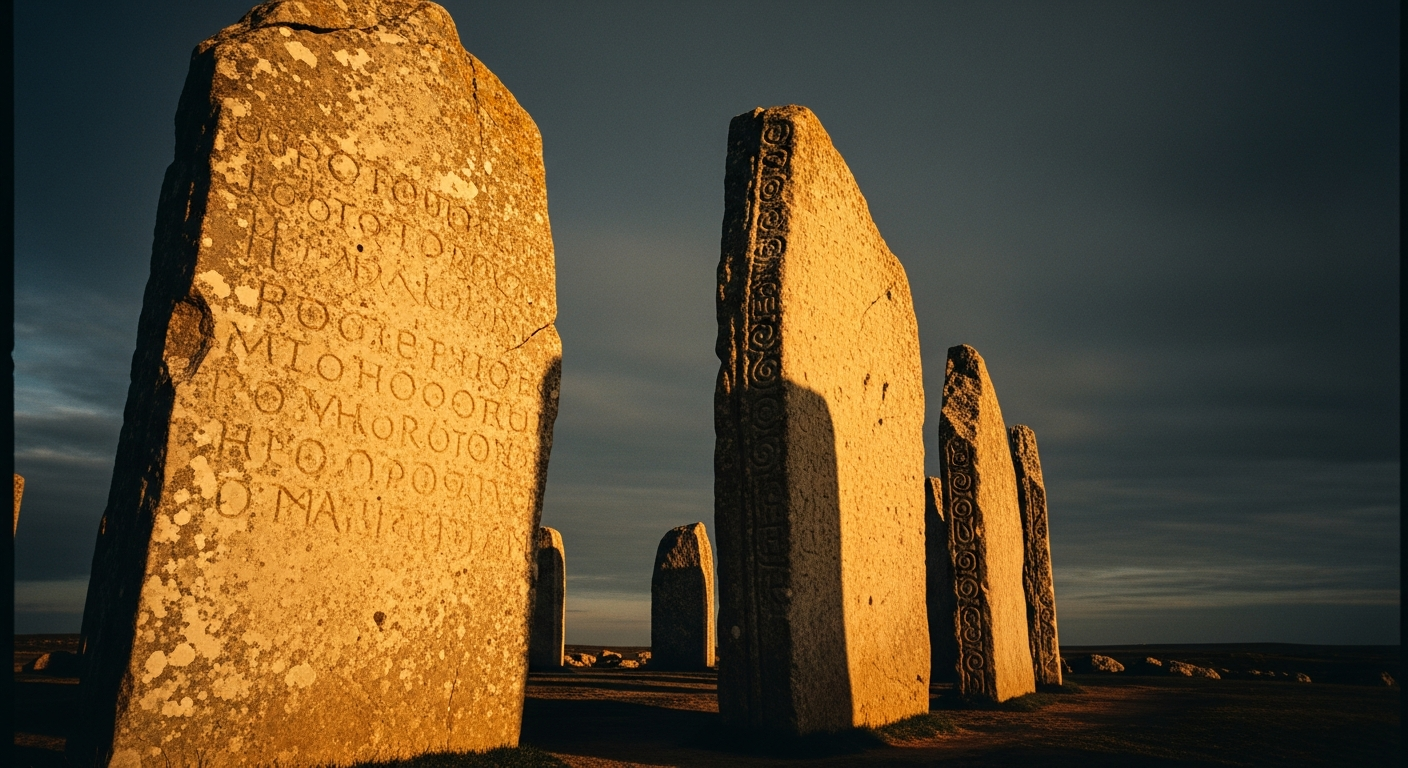
- Stones stacked. When something significant happens — a healing, a breakthrough, a fulfilment of a long word — name it out loud in the room. Put it in the group record. Make it visible for the ones coming after.
- Prophetic practice continues. Do not stop practicing just because the course is over. Keep pairing up. Keep speaking short encouraging words to each other in the rhythm of normal life.
In your home:
- Around the table. Once a week, ask your family the same question. "Where have you seen God this week?" Start when the children are young. Do it for the rest of your life.
- When things are hard. Read back the words God has spoken over your family in past seasons. Remind each other. This is what Deuteronomy 6 actually looks like.
- Teach your children to listen. Children hear God. Do not patronise them. Ask them what they sense. Write down what they say. Their simple words are often more piercing than yours.
What to guard against
A few things kill a culture of remembering before it begins.
- Perfectionism. You do not need to do this beautifully. You need to do this repeatedly. A messy, consistent practice beats a polished, abandoned one every time.
- The big launch. Do not announce to your church that you are starting a new prophetic culture. Just start doing it. Slowly. Quietly. It will spread by gravity.
- Spiritual performance. The second any of this becomes a show — who heard the best word, who has the most prophecies recorded, who sounds most spiritual — it is dead. Keep it small, private, and in love.
- One-off energy. If you only come back to this when you feel like it, it will fade. Build it into the ordinary rhythms — the sitting, walking, lying down, rising of Deuteronomy 6 — not the extraordinary ones.
What the end of this course actually is
The end of this course is a beginning.
You have been given, over seven weeks, the foundational tools of a normal Christian life in the Spirit. You know how to hear. You know how to test. You know how to record. You know how to speak in love. You know what a culture of remembering looks like.
What comes next is decades of practicing these in the ordinary hours of your life. Quietly. With love. For the building up of your family, your small group, your church, and eventually the children and spiritual grandchildren who come after you.
The stones are not for your generation. They are for the ones who will come to this table after you are gone, and ask: what do these stones mean?
The practice for the rest of your life
One practice, chosen tonight. Small enough to sustain. Specific enough to actually do.
Some options:
- Five minutes of listening silence every morning before checking my phone.
- Weekly review of my Doxa record on Sunday afternoon.
- One encouraging word to one person every week — texted, spoken, or prayed over them.
- A weekly family table question: where has God been faithful this week?
- A monthly phone call with a trusted friend to test what I have been hearing.
- Joining a weekly prayer group that makes space for listening.
Pick one. Tell the group. Commit to six months.
Before you come to the last session
- Come with one practice chosen and ready to commit to out loud.
- Come with the name of one person in the group you will pair with for the first six months — one check-in every two weeks, asking each other "what have you heard? what have you spoken?"
- Bring your record. Bring your notes. Bring everything you have built over seven weeks. We will close with thanksgiving.
For Facilitators
The full facilitator edition, with teaching notes, session outlines, and prayer prompts for every week, is available as a downloadable PDF and readable on the web.
Open facilitator editionStart building a culture of remembering.
When your community remembers together, everything gets stronger.
Private groups, shared encouragement, real testimonies. Free to start, in your browser, no card needed.
Free to start. No account needed until you create your church.