What God Says About You
You cannot hear clearly if your identity is shaky
Before the session
Read this through once. Bring one word or phrase that names who you feel you are on your worst day — we will work with it in the session.
The strange way God names people
When God starts a story, He almost always renames the main character.
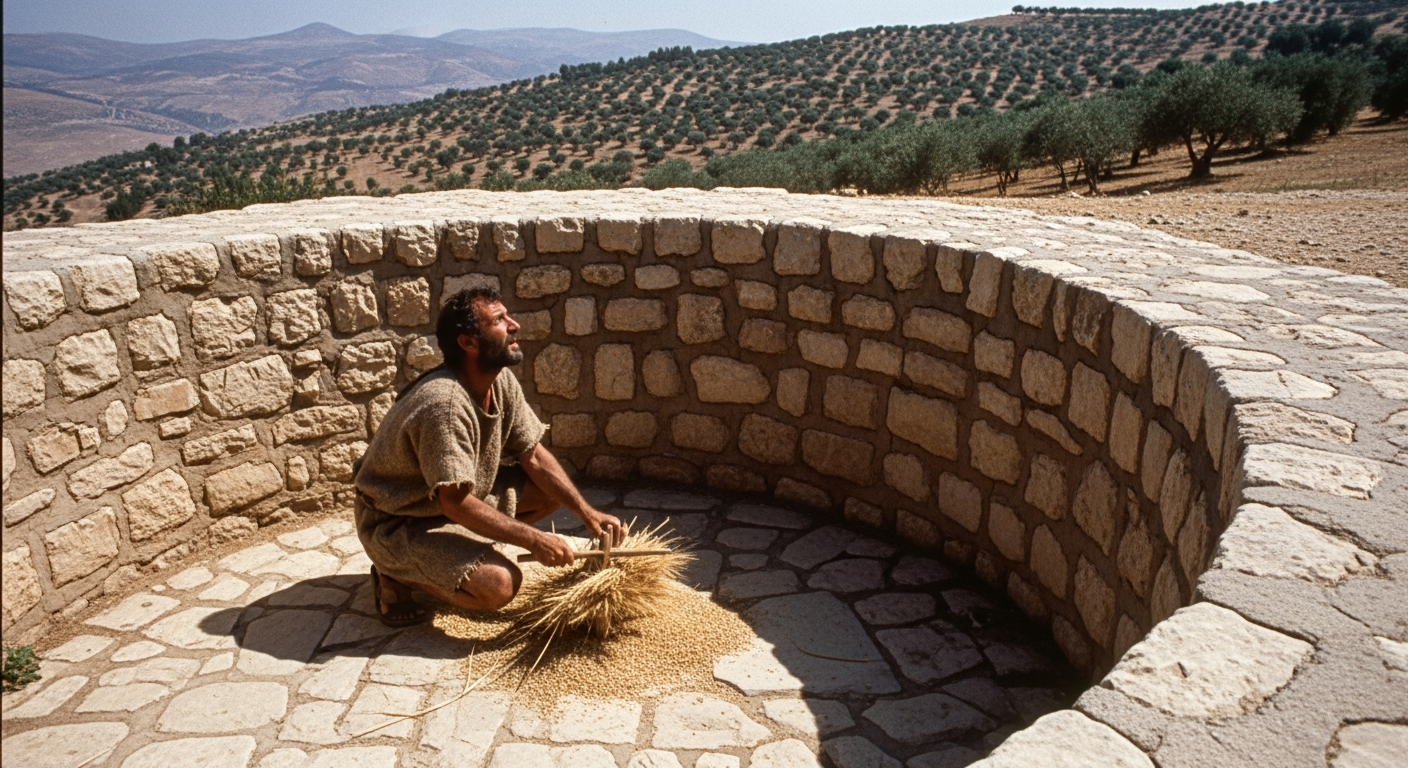
Abram becomes Abraham. Jacob becomes Israel. Simon becomes Peter. Saul becomes Paul. And Gideon — a terrified young man threshing wheat in a winepress to hide from the enemy — gets called something so out of proportion to his circumstance that it reads like a joke:
"The Lord is with you, O mighty man of valour."
Mighty. Man. Of valour. To a boy hiding from Midianites in a hole.
Gideon's response is the response of almost everyone who has ever heard a word from God about themselves. He protests. He lists his disqualifications. My clan is the weakest. I am the least in my father's house. And the angel just keeps going. God is not naming who Gideon feels he is. God is naming who Gideon will become when he steps into what God has already decided about him.
This is how God speaks to His people. Not with flattery. Not with lies. With prophecy about identity.
Why this matters for hearing God
Here is the uncomfortable truth: you cannot hear clearly if your sense of self is shaky.
If you don't know whether God actually likes you, you will filter everything you hear through that one unsettled question. If you suspect He is mostly disappointed in you, every impression will sound like disappointment. If you don't know if you are His, you will spend your prayer time auditioning for a place you already have.
Samuel could say "speak, Lord, your servant hears" because he knew he was God's. Settled identity was the floor the hearing happened on.
This is why week two of this course is identity. It is not a detour. It is the foundation everything else stands on.
What God actually says
When you listen for God's voice about yourself, you will not usually hear an abstract theological statement. You will hear something like a name.
Scripture is full of these names:
- Beloved. (Matthew 3:17, said over Jesus before He had done any public ministry. Belovedness precedes performance.)
- Chosen. (Ephesians 1:4 — before the foundation of the world.)
- Adopted. (Ephesians 1:5 — you are not a servant trying to earn a place. You were brought into the family.)
- Friend. (John 15:15 — no longer slaves. Friends.)
- Priest. (1 Peter 2:9 — with direct access, with authority to speak.)
- Mine. (Isaiah 43:1 — I have called you by name. You are Mine.)
Every one of these is something God says about you. Not one of them is conditional on yesterday's performance.
But what about who I actually am?
Here is where people push back. "But I really am a coward. I really am angry. I really am unforgiving. I really am scared."
Yes. And.
Gideon really was hiding in a winepress. That was accurate. God was not confused about it. He called him mighty man of valour anyway.
What God says about you is not a denial of who you are on your worst day. It is a declaration of who you are in Him — and who you will become when you start acting in agreement with what He says, rather than in agreement with what your fear, your family, or your accuser says.
Identity from God is not pretending. It is prophecy about your truest self.
The lies this silences
Most of us carry one or two quiet sentences that run underneath our lives.
I am not wanted. I am too much. I am not enough. I will always be alone. I am a disappointment. I was a mistake. I am only valuable when I perform. I am fundamentally broken.
These are not the voice of God. Ever. No matter how religious they sound, no matter how long you have believed them, no matter how much evidence you can assemble for them.
The Accuser has a job, and his job is to accuse. Revelation 12:10 names him the accuser of our brothers and sisters, who accuses them day and night. If your inner monologue mostly sounds like an accusation, you may be listening to the wrong voice.
Hearing God about your identity is often a process of replacing sentences. One true one for one false one, until the floor of your soul is built on what He says.
Practising this week
The practice for this week is simple and will feel a little exposing:
- Ask God. Find ten quiet minutes. Ask Him, "What do You say about me?" Not in general. About you.
- Write it down. Whatever comes — a word, a phrase, a Scripture, a picture — write it down.
- Test it. Does what you heard line up with Scripture? Would a loving Father say this? Does it reflect grace rather than performance? If yes, keep going.
- Record it aloud. Say it out loud. Record it on your phone. There is something about hearing a thing in your own voice, speaking God's words over yourself, that changes how they settle.
Do this at least three times this week. Same question. Collect the answers.
Before you come to the session
Come with two things:
- One word or phrase that names who you feel you are on your worst day (we will not force you to share it publicly — bring it for yourself).
- One line that you think God might say about you. Even if you're unsure. Even if it feels presumptuous.
Identity is the floor the rest of this course stands on. Let's lay it down together.
For Facilitators
The full facilitator edition, with teaching notes, session outlines, and prayer prompts for every week, is available as a downloadable PDF and readable on the web.
Open facilitator editionStart building a culture of remembering.
When your community remembers together, everything gets stronger.
Private groups, shared encouragement, real testimonies. Free to start, in your browser, no card needed.
Free to start. No account needed until you create your church.