Why Jacob Called Bethel the Gate of Heaven (Genesis 28:10–22)
Passage: Genesis 28:10–22
In this passage: IsraelBeershebaHaran
Day fifty-nine of a walk through the whole Bible to know the God who speaks, through the Hebrew of Genesis 28:10–22. The Hebrew word for Jacob's ladder appears nowhere else in Scripture and comes from the root for a built-up road. One root ties it to the LORD and to Jacob's pillar, and Bethel answers Babylon, the city that called itself the gate of god.

The LORD stood at the top of the stairway and spoke, and Genesis tells it with the same Hebrew root it uses for the stone Jacob stood on end in the morning. The name Jacob then gave the place answered a city every first hearer of Genesis knew by reputation.
Download Doxa, the app for recording, weighing and remembering prophetic encouragement.


A raised road between heaven and earth
The Hebrew word for Jacob's ladder is sullam (H5551), and Genesis 28:12 is the only place in the Bible it appears. Brown, Driver and Briggs, the standard Hebrew lexicon, file it under the verb salal (H5549), to heap up and build a raised road, the root of mesillah (H4546), a highway. Picture a built ramp of stone steps climbing toward the sky.
Follow that root through the prophets. Isaiah uses mesillah for the road God's coming needs: "make a straight highway for our God in the desert" (Isaiah 40:3). He uses salal for the road home that God's people need: "Build it up, build up the highway; clear away the stones" (Isaiah 62:10). From the top of Jacob's stairway God had already promised that road home: "I will bring you back to this land" (Genesis 28:15). A reader of English sees a ladder in a dream. Behind the Hebrew word stands a built road between heaven and the ground under Jacob's head, with God at the top of it.
Set up, standing, stood on end
The ladder, the LORD and the pillar are tied together by one Hebrew root, natsab (H5324), to stand or to set firmly in place. The ladder is mutsav, set on the earth (Genesis 28:12). The LORD is nitsav, standing at its top (Genesis 28:13). In the morning Jacob makes his pillow a matsebah (H4676), a standing stone (Genesis 28:18).
English uses three different words, so an English reader cannot see the link. A Hebrew listener heard the root three times in seven verses, and then a fourth time in Jacob's vow: "And this stone I have set up as a pillar will be God's house" (Genesis 28:22). God set up the way and stood at its head to speak, and Jacob answered by standing up a stone where he had heard Him. The pillar is Jacob's reply in the dream's own vocabulary, a record of God's voice set on end, and he promised that the record would become a house.
Verse 13 holds one more detail. The phrase nitsav alav can mean the LORD stood above the ladder or stood beside Jacob. The BSB reads the first. Either way the God at the top of the way stood near enough to be heard by the man lying at the bottom of it.
The gate Babel tried to build
Jacob meant that God Himself had opened the way between heaven and earth at that spot. He called it "the house of God; this is the gate of heaven" (Genesis 28:17). In the ancient Near East a sha'ar (H8179), a city gate, was where the elders sat to judge and a king received his visitors. A gate of heaven is where God receives a man and speaks to him.
Mesopotamia's great cities raised temple towers, ziggurats, mountains of brick with stairways up their faces, built so a god could come down to his temple. Babylon's own name, Bab-ili, meant gate of god. Genesis has already told that story. At Babel the builders said, "let us build for ourselves a city with a tower that reaches to the heavens" (Genesis 11:4), and in Hebrew the tower and Jacob's ladder share the same words, its rosh (H7218), its top, in the heavens. Genesis renames Babel (H894) by the confusion God sent there (Genesis 11:9). The real gate of heaven turns up on an empty hillside in Canaan, with the LORD speaking from the top of the stairway.
Bethel in Israel's memory
Bethel later became the royal shrine of the northern kingdom, where King Jeroboam set up a golden calf, and the prophets kept calling Israel back to the God who had spoken there. "One calf he set up in Bethel, and the other in Dan" (1 Kings 12:29). A priest there called it "the sanctuary of the king and the temple of the kingdom" (Amos 7:13). Hosea renamed Bethel (H1008), house of God, as Beth-aven (H1007), house of wickedness (Hosea 4:15).
Israel heard Genesis 28 for centuries as a people living a short walk from Bethel, and Hosea shows how it sounded to them. To a nation bowing to a calf in that very town, he retold Jacob's night: "he found Him at Bethel and spoke with Him there" (Hosea 12:4). Israel in the northern kingdom knew Bethel as the king's shrine with a gold calf in it. Genesis told them it began with a man running for his life who heard the LORD speak. What made it the house of God was His voice, and a calf has none.
Angels on the Son of Man
Genesis 28:10–22 points to Jesus because He set Jacob's stairway on Himself and kept the order of Genesis exactly, the angels going up first and then down. "You will all see heaven open and the angels of God ascending and descending on the Son of Man" (John 1:51). Jacob named the place the house of God, and John says of Jesus, "The Word became flesh and made His dwelling among us" (John 1:14). The house of God and the way into heaven now stand in a Person.
To know God is to hear Him where He has chosen to speak, and to keep what He says. Jacob stood a stone on end where he heard Him and promised it would be God's house, and we keep the record of His voice for the same reason. Record what God says to you in the Doxa app, so you can come back to it as Jacob came back to Bethel. He still speaks, and His house stands in His Son.
This goes with today's Doxa Daily Lift: Jacob's Ladder: What God Said to a Man on the Run (Genesis 28:10–22)

Download Doxa, the app for recording, weighing and remembering prophetic encouragement.
Read next


From the Grace Record
Real accounts of what God has done, drawn from 2,000 years of believers.
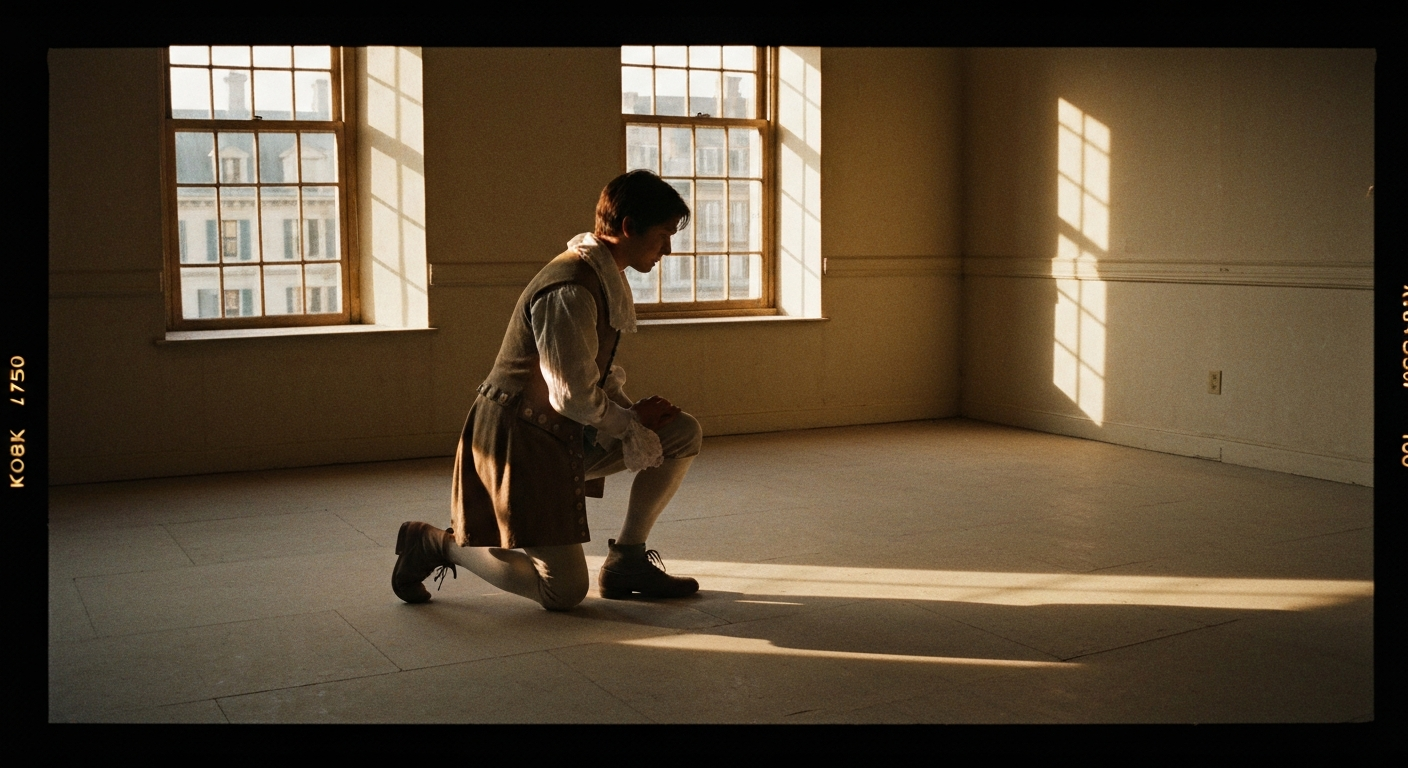 Leipzig, Saxony
Johann Sebastian Bach - Every Note for God's Glory
Johann Sebastian Bach dedicated his entire musical genius to God's glory, writing 'Soli Deo Gloria' on his compositions and serving as a church musician.
Read the story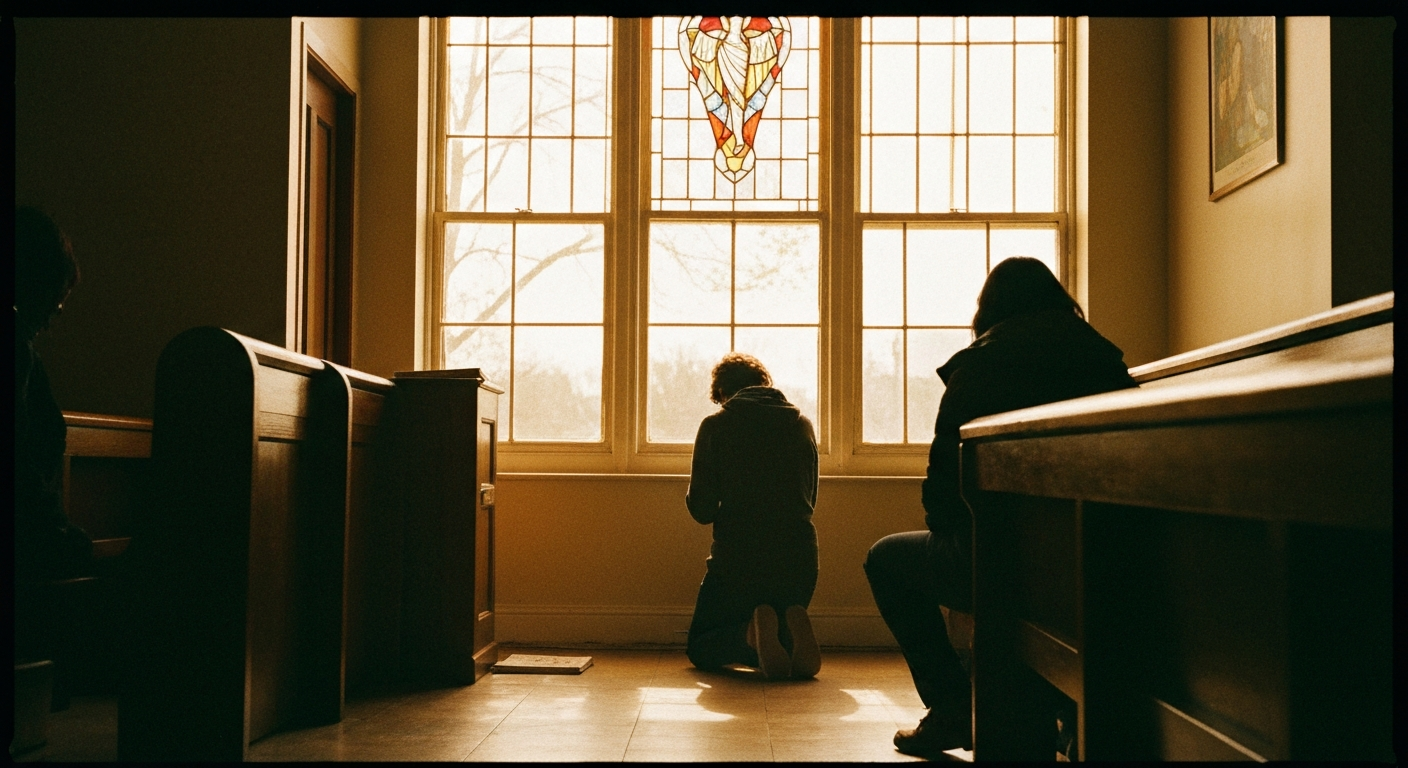 Iran
Inside Iran's Underground Church
Iran's underground church is one of the fastest-growing in the world, the Holy Spirit is reaching Muslims through dreams, healings, and secret house churches despite severe persecution.
Read the story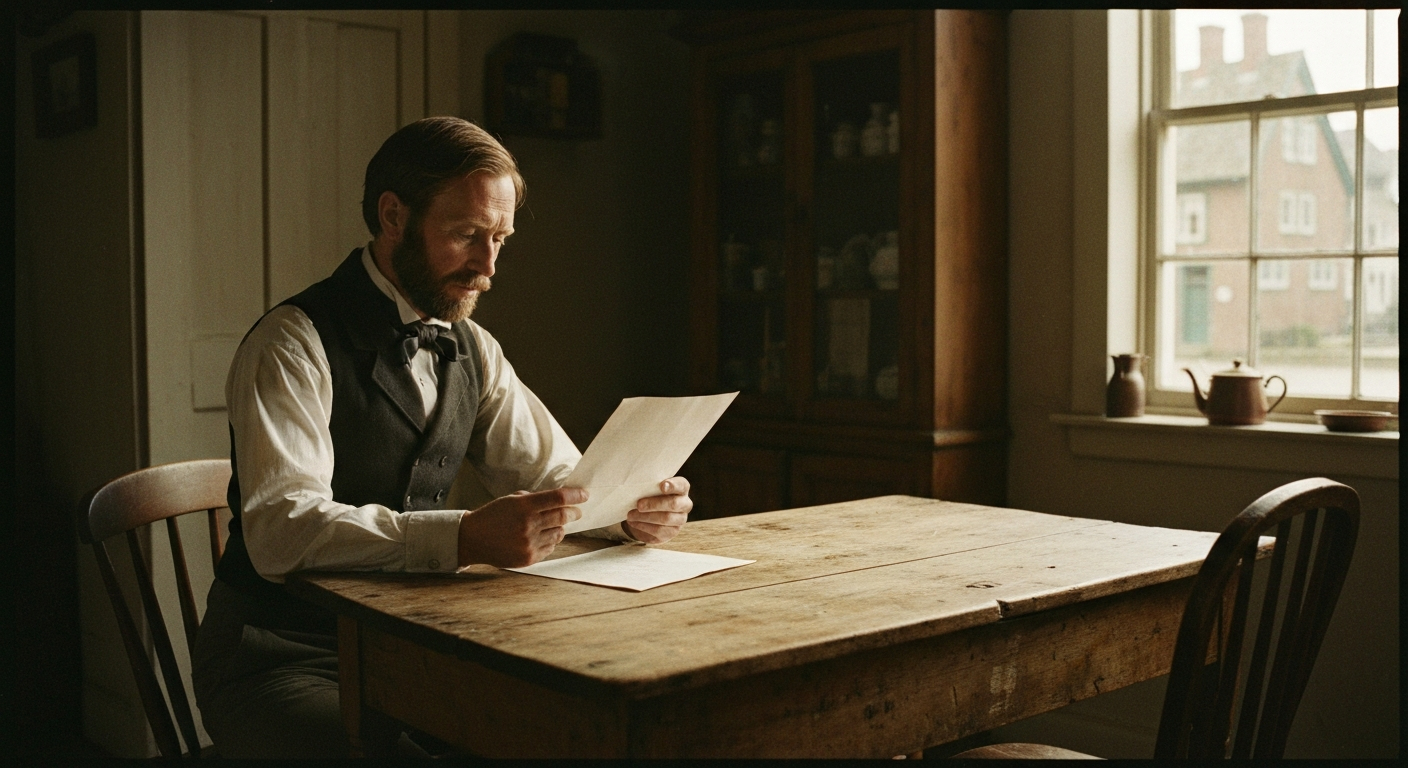 Bristol, City of Bristol
When the Check Came - George Müller's Orphanages
George Müller cared for over 10,000 orphans in Bristol, England without ever asking anyone for money, trusting only God's provision through prayer.
Read the story