Isaac and Abimelech: When His Enemies Saw God With Him (Genesis 26:26–35)
Passage: Genesis 26:26–35
In this passage: IsaacGerarBeersheba
Day fifty-three of a walk through the whole Bible to know the God who speaks. God tells Isaac in the night that He is with him, and soon the king who drove Isaac out rides in saying the same thing. Genesis 26:26–35.

The night Isaac reached Beersheba, God spoke to him. "Do not be afraid, for I am with you" (Genesis 26:24). Isaac built an altar, pitched his tent, and his servants started on a well.
Then three men came from Gerar.
Download Doxa, the app for recording, weighing and remembering prophetic encouragement.


Why did Abimelech come to make a covenant with Isaac?
Abimelech came because he could see that the LORD was with Isaac, and he wanted peace with the man God was blessing. He brought "Ahuzzath his adviser and Phicol the commander of his army" (Genesis 26:26). Isaac said to his face what they had done. "Why have you come to me?" Isaac asked them. "You hated me and sent me away" (Genesis 26:27).
Their answer repeated what God had said to Isaac in the dark. "We can plainly see that the LORD has been with you" (Genesis 26:28). Isaac heard the promise from God first and held it, and soon the men who had pushed him out of Gerar were saying it back to him at his own camp. God's promise in the dark had outlasted a king's hatred.
Why did Isaac name the well Shibah?
Isaac named the well Shibah, which means oath, because his servants struck water on the very day he swore peace with Abimelech. Isaac "prepared a feast for them, and they ate and drank" (Genesis 26:30), and the next morning they swore peace. That same day Isaac's servants came with news of water. "So he called it Shibah, and to this day the name of the city is Beersheba" (Genesis 26:33).
The name was already his father's. Abraham had sworn with Abimelech and Phicol on this same ground, and "that place was called Beersheba, because it was there that the two of them swore an oath" (Genesis 21:31). Isaac said the old name over new water, and behind his treaty stood the oath God had sworn to Abraham and promised to confirm to Isaac (Genesis 26:3). That oath was the family's inheritance, and Isaac's own son was about to treat it lightly.
Why did Esau's wives bring grief to Isaac and Rebekah?
Esau's wives brought grief because Esau married two Hittite women, from the Canaanite peoples Abraham had refused for Isaac (Genesis 24:3). "When Esau was forty years old, he took as his wives Judith daughter of Beeri the Hittite and Basemath daughter of Elon the Hittite. And they brought grief to Isaac and Rebekah" (Genesis 26:34–35).
A Philistine king could see that God was with Isaac. Esau, born inside the promise, had sold his birthright for stew and now married against the line his grandfather drew, and his parents carried the grief. The promise he held so lightly was the one God went on keeping.
How does God being with Isaac point to Jesus?
It points to Jesus because God's promise to be with His people took a human name in Him, Immanuel. Matthew tells us that name means "God with us" (Matthew 1:23). Isaac heard God say "I am with you" at one well in the Negev, and the risen Jesus said it to everyone who would follow Him, "And surely I am with you always, even to the end of the age" (Matthew 28:20). The voice that spoke to Isaac in the dark speaks that promise over every believer today, and He has never broken His word.
Keep what He says in the night
When God speaks to you, in a verse or in an encouragement someone shares, write it down in the Doxa app with the date and His exact words. Then keep reading it back. Isaac held God's promise until the men who hated him said it aloud. We are the people who remember what God has said, and we hold it long enough to see Him keep it. This is how we come to know the God who promised to be with Isaac and kept that promise, from Beersheba all the way to Christ.
When has God confirmed something He said to you through someone you never expected?
Deeper study today in the Doxa Deeper Dive: why the Hebrew for an oath counts to seven. Read it here.

Download Doxa, the app for recording, weighing and remembering prophetic encouragement.
Read next


From the Grace Record
Real accounts of what God has done, drawn from 2,000 years of believers.
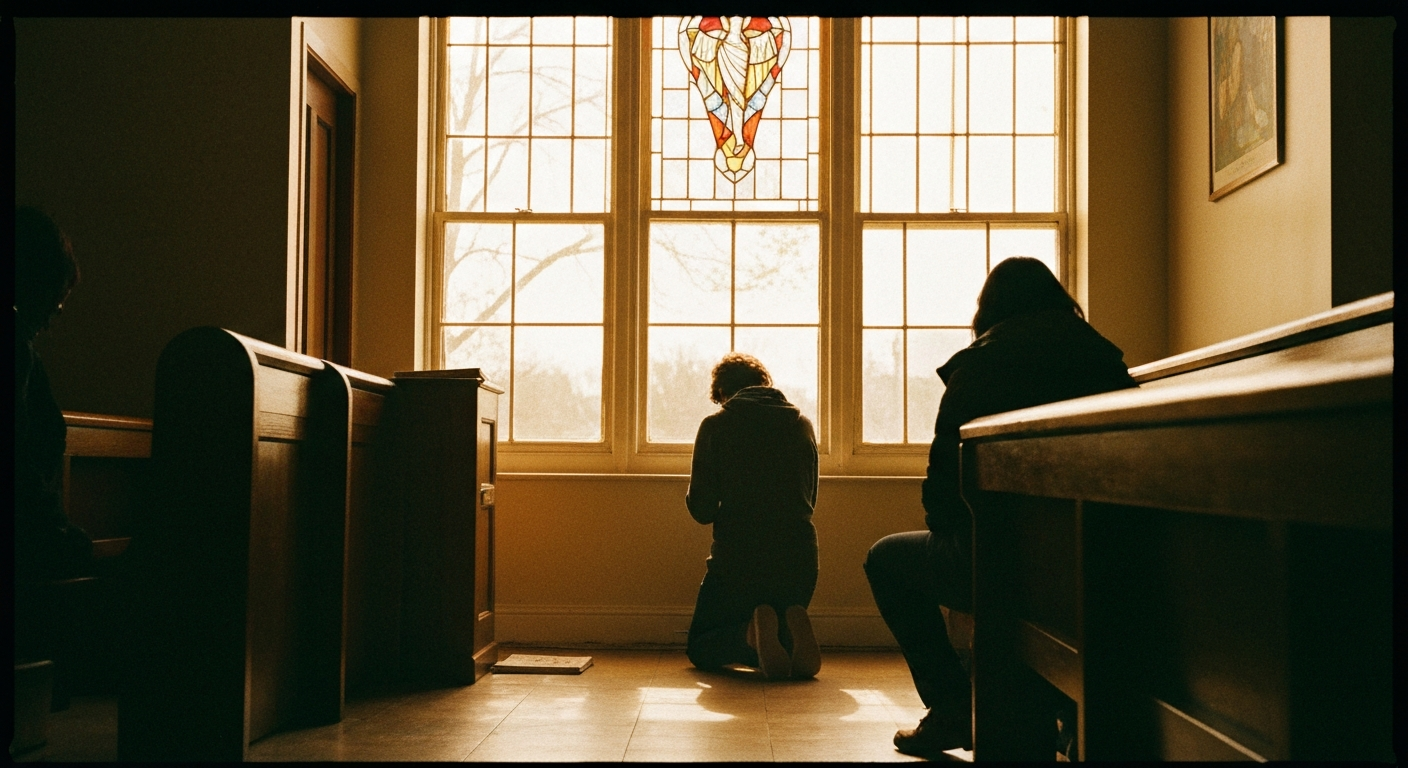 Iran
Iran Inside Iran's Underground Church
Iran's underground church is one of the fastest-growing in the world, the Holy Spirit is reaching Muslims through dreams, healings, and secret house churches despite severe persecution.
Read the story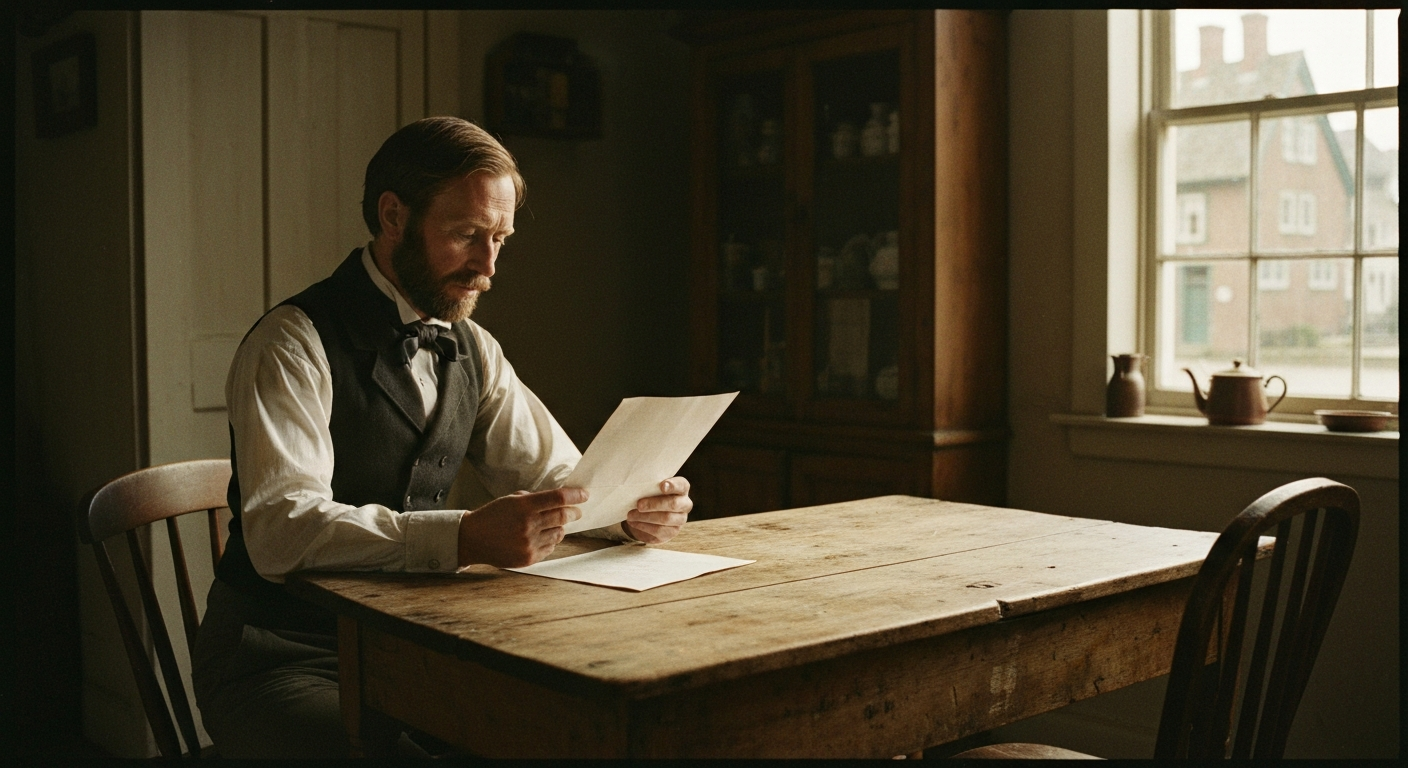 Bristol, City of Bristol
 When the Check Came - George Müller's Orphanages
George Müller cared for over 10,000 orphans in Bristol, England without ever asking anyone for money, trusting only God's provision through prayer.
Read the story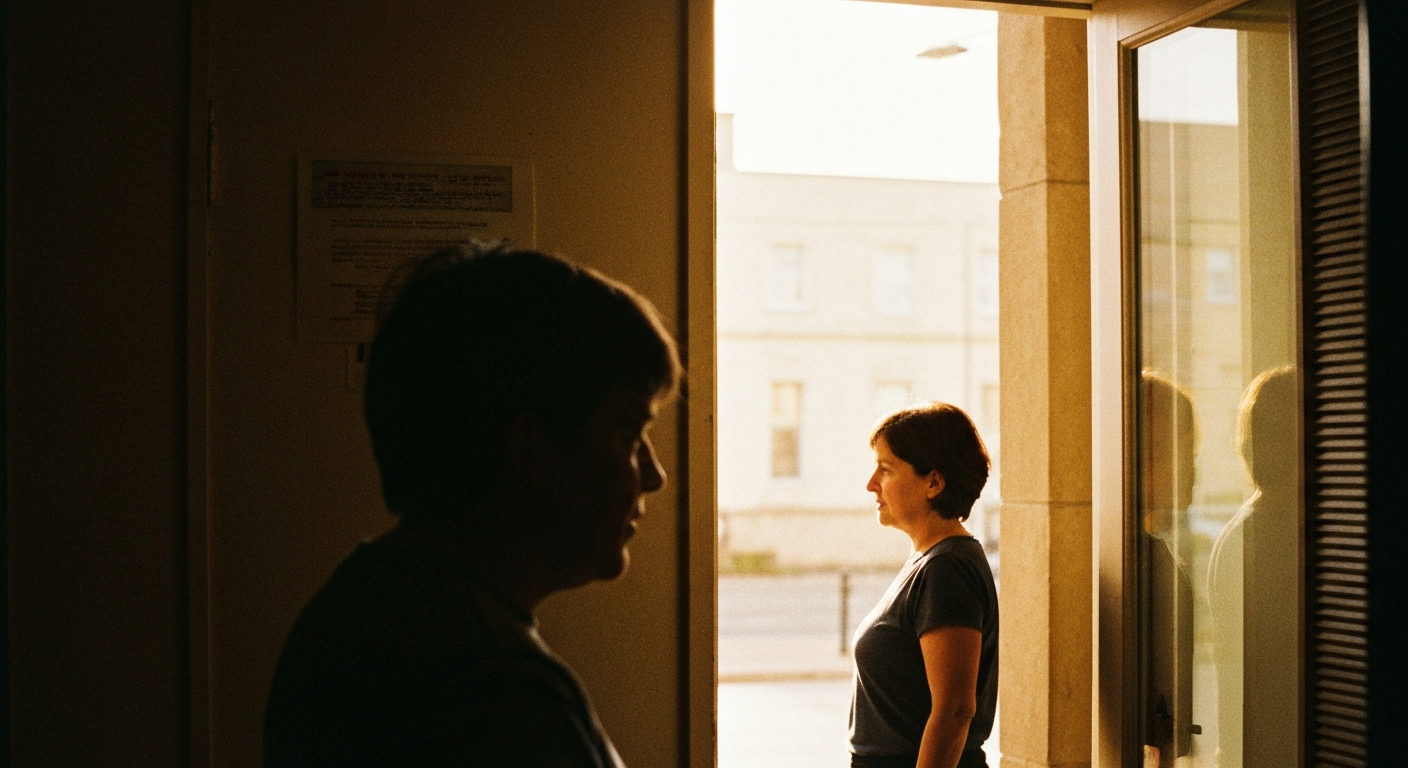 Iran
Iran The Women Who Lead Iran's Underground Church When the Men Were Taken to Prison
When Iranian authorities imprison male house church leaders, women step forward to lead, teach, and multiply the underground church, making them the backbone of the fastest-growing church movement in the world.
Read the story