Spiritual Disciplines Guide: 12 Practices for Real Faith
A beginner's guide to spiritual disciplines: prayer, fasting, Scripture, community, and more. Practical steps to start practicing today. No guilt required.

Spiritual disciplines are the practices that create space for God to work. This comprehensive guide covers eight core disciplines, from Scripture reading and prayer to fasting, community, and the overlooked discipline of remembering. Practical steps to start today, common mistakes to avoid, and honest talk about what to do when it all feels empty.
You have probably heard the phrase "spiritual disciplines" and felt one of two things: guilt or confusion.
Guilt because you know you should be doing more. Confusion because nobody actually explained what these practices are, why they matter, or how to start without white-knuckling your way through a religious checklist.
This guide is different. No guilt trips. No legalism. Just an honest look at the practices that have shaped believers for two thousand years, and how you can begin building them into your life starting this week.
What "Spiritual Discipline" Actually Means
Let's clear up the most common misconception first: spiritual disciplines are not punishment.
A spiritual discipline is a practice that creates space for God to work in you. That's it. The discipline itself is the container, not the goal: not a way to earn favour, not a checklist to prove devotion.
Think about it like an athlete training. A runner does not run six miles every morning because the run itself is the point. The run prepares the body for race day. The training builds capacity, endurance, and strength that shows up when it matters. Nobody confuses training with performing.
Spiritual disciplines work the same way. Scripture reading trains your mind to think differently. Prayer rewires how you respond to fear, doubt, and decision-making. The box is irrelevant; the transformation is the point.
Dallas Willard said it best: "Grace is not opposed to effort. It is opposed to earning." Disciplines are effort. They are intentional. But they do not earn you anything. They position you to receive what God is already offering.
If you have ever felt like faith should be more transformative than it has been, the issue is probably that you have not yet built the practices that create consistent space for him to work.
Why Spiritual Disciplines Matter (Especially Now)
You Cannot Coast on Sunday Mornings
Here is an honest observation: most believers try to sustain their entire spiritual life on one hour of church per week. That's 1 out of 168 hours. Less than 0.6% of your time.
Would you expect to stay physically fit by going to the gym once a week for an hour? Would you expect to learn a language by attending one class every Sunday?
Of course not. Growth requires consistent practice, not occasional exposure. Church is essential. But it was never designed to be the only place your faith gets fed. Spiritual disciplines fill the other 167 hours with practices that keep you connected, growing, and alert.
Feelings Are Unreliable
You will not always feel close to God. That is simply the nature of being human.
Feelings fluctuate based on sleep, stress, hormones, relationships, weather, and a hundred other variables that have nothing to do with your spiritual state. If your only connection to God is feeling connected to God, you will drift the moment life gets hard.
Disciplines keep you connected when feelings fade. They are the structure that holds you when emotion doesn't. You pray even when prayer feels like talking to the ceiling. You read Scripture even when the words feel flat. You show up to community even when you would rather isolate.
And then, unexpectedly, the feeling returns. Not because you manufactured it, but because you stayed close enough for God to meet you.
Spiritual Growth Is Not Automatic
Nobody drifts into spiritual maturity. Nobody wakes up one day deeply rooted in faith without having done anything to get there.
Growth is intentional. It requires choices, habits, and practices that compound over time. The believers you admire, the ones who seem unshakeable in hard seasons, did not arrive there by accident. They built spiritual infrastructure through disciplines that most people are unwilling to sustain.
The question is not whether you have time. The question is whether you are willing to rearrange your time around what matters.
The Core Spiritual Disciplines (A Practical Guide)
There are more than eight spiritual disciplines, depending on which theologian you consult. But these eight form the foundation. Master these before you worry about the rest.

1. Scripture Reading
What it is: Consistently engaging with the Bible, not as an academic exercise, but as a conversation with God. Scripture reading is less about volume and more about depth. The goal is to let specific passages shape how you think, feel, and act.
How to start: Pick one book of the Bible and read one chapter a day. Start with a Gospel (Mark is the shortest). Read slowly. When a verse grabs your attention, stop and sit with it. Ask, "What is God saying to me through this?" Write down what stands out, and keep it in Daily Faith Steps, the daily journal in the Doxa app.
Common mistake: Treating it like homework. Speed-reading to finish a chapter so you can check it off. If you read three chapters and remember nothing, you would have been better off reading three verses and thinking about them all day.
Tool suggestion: Bible apps with reading plans help with consistency. But do not let the app gamify your faith. Streaks are not the point. Transformation is. If you want to go deeper, try journaling what you read.
2. Prayer
What it is: Talking with God honestly. Not performance. Not religious language. Not scripted requests. Real, raw, unfiltered conversation.
How to start: Set a timer for five minutes. Talk to God out loud. Tell him what you are grateful for, what you are worried about, and what you need help with. Do not try to sound spiritual. Just be honest. If five minutes feels awkward, start with two. The length does not matter. The honesty does.
Common mistake: Only praying when you need something. Prayer is a relationship, not a vending machine. Some of the most powerful prayers are simply, "God, I am here. I do not know what to say, but I am showing up."
Tool suggestion: Prayer journals help you track what you've prayed for and see how God responds over time. Voice-first tools let you capture prayers in real time. Doxa's Voice Engage is designed for exactly this: processing your faith out loud and hearing truth spoken back.
3. Fasting
What it is: Voluntarily going without something (usually food, but not always) for a period of time to sharpen your spiritual focus. Fasting is a declaration that your body does not get the final vote on your life.
How to start: Skip one meal and spend that time in prayer or Scripture reading. That is it. You do not need a 40-day water fast to practice this discipline. Start with lunch. Use the time you would have spent eating to be intentional with God.
Common mistake: Making fasting about willpower instead of focus. The point is not proving you can go without food. The point is redirecting your attention. If all you think about during a fast is food, you have missed it. Replace the meal with something. Prayer. Scripture. Silence. Give the time a purpose.
Tool suggestion: Put a recurring reminder on your phone for one day a week. "Fasting day: spend lunch in prayer." Build it into your calendar like any other commitment.
4. Worship
What it is: Responding to who God is with your whole self: voice, body, attention, emotions. Worship is a posture of reverence and awe that can happen anywhere, not just on a Sunday morning.
How to start: Put on a worship playlist and actually engage. Do not just let it play in the background while you check your phone. Close your eyes. Sing along. If you are alone, raise your hands. Let the music pull your attention away from your to-do list and toward God. Start with 10 minutes.
Common mistake: Outsourcing worship to Sunday mornings. If the only time you worship is when a band is leading you, you are dependent on production quality for your spiritual life. Learn to worship in your car, your kitchen, and your room. The practice of personal worship is what makes corporate worship meaningful.
Tool suggestion: Build a worship playlist you return to weekly. Separate it from your regular music. When you need to recalibrate during a stressful day, put it on and let it shift your focus.
5. Community
What it is: Doing life with other believers who know you, challenge you, and carry you when you cannot carry yourself. Community means letting people into the real, unfiltered version of your life, not just attending a service together.
How to start: Join a small group. If your church offers them, join one. If it does not, find two or three people and commit to meeting regularly. Share what you are actually going through. Ask for prayer. Follow up with each other during the week. Real community is consistent, vulnerable, and inconvenient.
Common mistake: Treating community as optional. Hebrews 10:25 says, "Do not neglect meeting together." That command is literal. Isolation is the enemy of faith. Every major spiritual failure in the Bible happened when someone was alone. David on the rooftop. Elijah in the wilderness. Peter in the courtyard. Isolation makes you vulnerable. Community makes you strong.
Tool suggestion: Group text threads keep community alive between meetings. Apps that let you share prayer requests, testimonies, and encouragement make it easier to stay connected. Doxa groups are built for this: small communities that share their faith journey together.
6. Silence and Solitude
What it is: Intentionally stepping away from noise, screens, and people to be alone with God. Not to do anything. Just to be. This is probably the hardest discipline for anyone under 30, and possibly the most transformative.
How to start: Put your phone in another room. Set a timer for 15 minutes. Sit in silence. Do not read. Do not pray out loud. Do not listen to music. Just sit. Breathe. Be present. Your mind will race. That is normal. Let the thoughts come and go. The goal is to create space where God's voice is louder than everything else.
Common mistake: Giving up because it feels uncomfortable. The first five minutes of silence are brutal for anyone raised on constant stimulation. Your brain will scream for input. Push through. The discomfort is the point. You are retraining your nervous system to be still, and that takes practice.
Tool suggestion: Start with guided silence if pure quiet feels impossible. Set a timer with a gentle alarm so you are not checking the clock. Build up gradually: 5 minutes, then 10, then 15, then 20. Eventually, silence will become the place you most want to be.
7. Remembering
What it is: The practice of recording, revisiting, and retelling what God has done in your life and in the lives of others. This is the least talked about spiritual discipline, yet it is commanded over 250 times in Scripture. Remember the Sabbath. Remember the covenant. Remember the cross. God is serious about this one.
How to start: Write down one thing God has done in the past year. Just one. A prayer he answered. A moment he felt near. A word that changed the way you saw your situation. Keep it in the Doxa app and read it back to yourself. That is remembering.
Common mistake: Assuming you will remember without a system. You will not. The human brain is built to forget. The most powerful spiritual moments fade within weeks if you do not record them. That clarity you felt after prayer, that verse that stopped you in your tracks, that personal prophecy someone gave you: all of it evaporates without intentional preservation. Paul told Timothy to remember his prophetic words and use them to fight the good fight (1 Timothy 1:18). A personal prophecy can encourage you more 10 years later than the day it was first spoken, but only if you recorded the detail and can find it when life gets hard.
Tool suggestion: This is exactly what Doxa was built for. The Encouragement Vault lets you record prophetic words, prayers, and reflections in the moment, by voice or text, and revisit them months or years later when you need them most. The Grace Record gives you access to 1,600+ testimonies of God's faithfulness, so even when your own memory runs dry, you can borrow someone else's. For a deep dive into this discipline, read our full guide: The Spiritual Discipline of Remembering.
8. Generosity
What it is: Giving your time, money, and resources freely. Generosity breaks the grip of materialism and trains you to hold everything loosely. Tithing is part of it, but the deeper posture is open-handedness: "Everything I have belongs to God, and I am a steward, not an owner."
How to start: Give something this week that costs you something. Not your spare change. Not the shirt you were going to donate anyway. Give in a way that requires faith. Buy someone's groceries. Increase your giving to your church by a percentage point. Volunteer your Saturday morning. Generosity is a muscle. The more you use it, the stronger it gets.
Common mistake: Waiting until you feel financially secure to start giving. You never will. There will always be another bill, another expense, another reason to wait. Generosity is about trusting that God will provide when you give from what you already have.
Tool suggestion: Set up automatic giving to your church or a ministry you believe in. Automate it so you do not have to make the decision every month. When generosity is automatic, it becomes a discipline rather than an impulse.
How to Start Without Getting Overwhelmed
You just read about eight disciplines. Your instinct might be to start all of them tomorrow morning at 5 AM.
Do not do that. You will burn out within a week.
Here is a better approach:
Pick one or two disciplines. Just one or two. Choose the ones that feel most relevant to where you are right now. If you have never read the Bible consistently, start there. If you are drowning in noise and screen time, start with silence. If your faith feels distant and you cannot remember the last time God felt real, start with remembering.
Commit to 30 days. Not forever. Not "the rest of my life." Thirty days. That is enough time to build a habit and see whether this discipline is bearing fruit.
Start small. Five minutes of prayer. One chapter of Scripture. Skipping one meal. Fifteen minutes of silence. The smallest version of the discipline is infinitely better than the ambitious version you never do.
Track it simply. A checkbox on your calendar. A note in your phone. Something that lets you see consistency without turning it into a performance metric.
After 30 days, evaluate. Did this practice change anything? Did you sense God in new ways? Did something shift in your heart, your thinking, your relationships? If yes, keep going and consider adding a second discipline. If no, try a different one.
The goal is not to practice all eight disciplines simultaneously. The goal is to find the ones that create the most space for God in your specific season of life.
What to Do When Disciplines Feel Empty
This will happen. Guaranteed.
You will sit down to read Scripture and feel nothing. You will pray and hear nothing back. You will fast and just feel hungry. You will practice silence and just feel bored.
This does not mean the discipline is not working. It means you are human.
Here is what you need to understand: feelings are not the metric. Faithfulness is. A farmer does not stop watering crops because he cannot see growth today. He trusts the process. He knows that consistency over time produces fruit, even when individual days feel unproductive.
The same is true for spiritual disciplines. Some days will feel alive and electric. Many days will feel routine. A few will feel completely empty. Show up anyway.
Mother Teresa reportedly experienced spiritual dryness for nearly 50 years. She kept praying. She kept serving. She kept showing up. If the feeling of God's presence were the metric, she would have quit in her thirties. But she understood something most of us don't: the discipline is the obedience, not the feeling.
When disciplines feel empty, try these:
Change the method, not the discipline. If reading Scripture feels flat, try listening to an audio Bible. If silent prayer feels dead, try walking and praying out loud. Sometimes a fresh method reignites a stale practice.
Read testimonies of others who persisted through dry seasons. You are not the first person to feel like God is silent. Believers throughout history have walked through spiritual winters and come out stronger. Their stories remind you that dryness is temporary and faithfulness is never wasted. The Grace Record has hundreds of testimonies from people who held onto faith when it felt impossible.
Talk to someone. Tell a friend, mentor, or small group leader that your disciplines feel empty. You will be surprised how many people have been exactly where you are. Community carries you when personal devotion feels insufficient.
Lower the bar, but do not quit. If 30 minutes of prayer feels unbearable, do 5 minutes. If a full chapter of Scripture is too much, read one verse. The smallest act of faithfulness matters more than the grandest act of intention.

Spiritual Disciplines in 2026 (Modern Tools)
Some people act as if technology and spiritual growth are incompatible. Technology is a tool, and like any tool, it can distract you from God or draw you closer. The difference is how you use it.
Bible Reading and Study
Bible apps have made Scripture more accessible than at any point in human history. You carry dozens of translations in your pocket. You can search for any topic, bookmark passages, and set daily reading reminders.
Use it wisely. Set a specific time, open the app, read, and close it. Let Bible reading be an island in your day, not one more stream in the scroll.
Journaling and Reflection
Digital journaling tools let you capture thoughts, prayers, and reflections in seconds. Voice-first tools are especially powerful for people who process by talking rather than typing. You can record a prayer on your morning commute and listen back to it six months later.
Doxa's Voice Engage is built on this insight. Some people need to talk through their faith, not just write about it. Speaking your prayers, reflections, and questions out loud creates a different kind of engagement than silent reading ever could.
Community and Accountability
Group apps and messaging platforms keep community alive between in-person gatherings. You can share prayer requests at 11 PM and celebrate answered prayers in real time. The early church met daily in homes (Acts 2:46). Modern tools let you approximate that kind of constant connection even when geography makes daily meetings impossible.
Remembering and Testimony
This is where technology shines brightest. You can record a voice note in 30 seconds and have it preserved, searchable, and accessible for the rest of your life.
The Grace Record takes this further by giving you access to 1,600+ real testimonies from believers across the world. When your own memory feels thin, when you cannot recall a specific time God came through, someone else's story can sustain your faith until your own clarity returns.
The Balance
Use technology to support disciplines, not replace them. An app cannot pray for you. A playlist cannot create the inner stillness that silence requires. A community platform cannot replace sitting across from someone and letting them see the real you.
Technology is the scaffold. The disciplines themselves are the structure. Build the structure with your own hands. Let the tools make it easier, not optional.
Conclusion: Start Where You Are
Spiritual disciplines are a garden you tend so God can grow something in you.
You do not need to master all eight. You do not need to wake up at 4 AM. You do not need to feel spiritual, motivated, or "ready." You just need to start.
Pick one discipline. The one that resonated most as you read this. Commit to it for 30 days. Start with the smallest possible version. And when it feels empty (it will), keep going. Faithfulness over time is what transforms you. Not effort. Not perfection. Consistency.
The believers who grow are the ones with the most consistent practices.
So start. Today. Not tomorrow.
Frequently Asked Questions
What are the core spiritual disciplines every Christian should know?
The foundation covers eight practices: Scripture reading, prayer, fasting, worship, community, silence and solitude, remembering, and generosity. You do not need to pursue all eight at once. The most effective approach is to pick one or two that are most relevant to your current season, commit to them for thirty days at the smallest viable scale, then evaluate before adding more.
Why do spiritual disciplines feel empty sometimes?
Feeling nothing during a discipline does not mean it is not working; it means you are human. Feelings fluctuate based on sleep, stress, and countless variables that have nothing to do with your spiritual state. The metric is faithfulness, not feeling. Dallas Willard put it plainly: grace is not opposed to effort; it is opposed to earning. Keep showing up; when disciplines feel flat, try changing the method (audio Bible instead of reading, walking prayer instead of seated silence) before abandoning the discipline itself.
Which spiritual discipline is most overlooked?
Remembering. Scripture commands it more than 250 times: remember the Sabbath, remember the covenant, remember the cross. Yet most Christians have no practical system for it. The result is that prophetic words, answered prayers, and moments of conviction fade within weeks. Paul told Timothy to use his prophetic words to fight the good fight (1 Timothy 1:18, BSB), which only works if those words were recorded and can be retrieved years later. Doxa is built specifically for this discipline: recording, searching, and revisiting what God has said and done.
How is Doxa different from other spiritual discipline apps?
Most apps are built around Scripture reading plans, prayer reminders, or habit trackers. Doxa is built around the discipline of remembering: helping you capture what God has spoken into your life (prophetic words, answered prayers, reflections) by voice or text, then revisiting them when you need them most. A prophetic encouragement tool that points back to God, not to itself. Many people use it alongside other Bible and journaling apps because it serves a different job.
Explore Real Stories in The Grace Record
Strengthen every discipline with real stories of God's faithfulness:
- Testimonies of answered prayer: Fuel for your prayer discipline: real evidence that God hears and responds
- Stories of healing and restoration: Accounts that deepen your Scripture reading and worship
- Faith under persecution: Stories that put your own spiritual discipline into perspective
- Miraculous provision: When God provided in ways that made generosity possible and fear irrelevant
Browse all 1,600+ testimonies →
Start with the discipline of remembering. Explore 1,600+ testimonies that will strengthen your faith. Visit The Grace Record.
Keep Reading

Download Doxa, the app for recording, weighing and remembering prophetic encouragement.


Read next


From the Grace Record
Real accounts of what God has done, drawn from 2,000 years of believers.
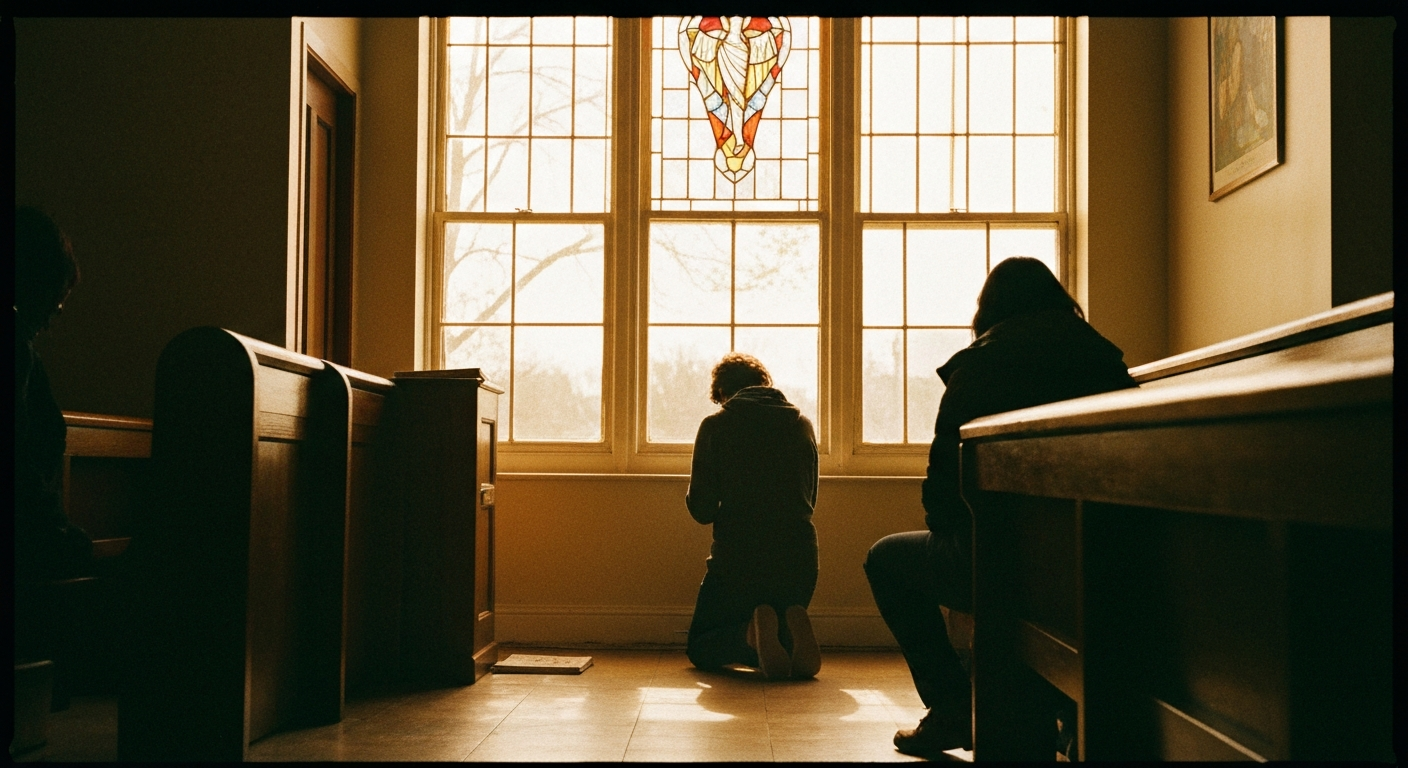 Iran
Iran Inside Iran's Underground Church
Iran's underground church is one of the fastest-growing in the world, the Holy Spirit is reaching Muslims through dreams, healings, and secret house churches despite severe persecution.
Read the story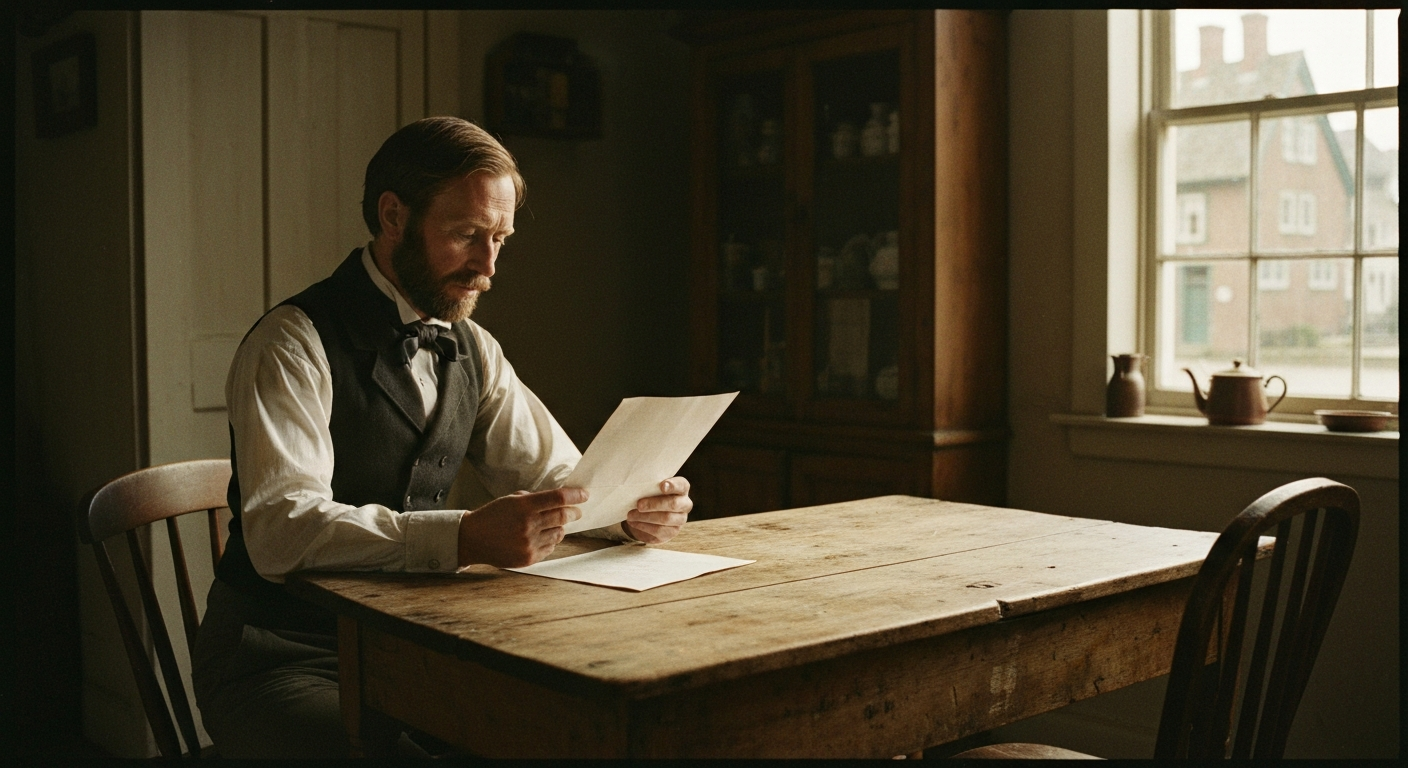 Bristol, City of Bristol
 When the Check Came - George Müller's Orphanages
George Müller cared for over 10,000 orphans in Bristol, England without ever asking anyone for money, trusting only God's provision through prayer.
Read the story Iran
Iran The Women Who Lead Iran's Underground Church When the Men Were Taken to Prison
When Iranian authorities imprison male house church leaders, women step forward to lead, teach, and multiply the underground church, making them the backbone of the fastest-growing church movement in the world.
Read the story