Noah's Altar: The Pleasing Aroma Behind God's Promise (Genesis 8:15-22)
Passage: Genesis 8:15–22
In this passage: Noah
Day ten of a walk through the whole Bible to know the God who speaks, opened up. Genesis 8 ends the flood with a first altar and a permanent promise, and the promise rests on one repeated Hebrew word. The reason God gives for never flooding the earth again, the evil yetser of the human heart, is word for word the reason He gave for sending the flood. Humanity stayed exactly the same. The altar is what changed. The olah and its reyach nichoach, the pleasing aroma, run straight to the fragrant offering of Christ.

The flood ends the way it began, with God speaking and a man doing exactly what he is told.
Download Doxa, the app for recording, weighing and remembering prophetic encouragement.


Waiting for God to say go
Noah waited because he trusted God's word to tell him when to leave, the same word that had told him when to go in. The text is careful with its dates. Noah sees dry ground on the first day of the first month (Genesis 8:13); the earth is fully dry by the twenty-seventh of the second month (Genesis 8:14). Then, and only then, does God tell him, "Come out of the ark" (Genesis 8:16). Fifty-seven days of dry, walkable ground pass while the door stands open and Noah stays inside. He had entered at God's command (Genesis 7:1), and he leaves at God's command. The sight of dry land was one thing; the word of God was another, and Noah moved on the word.
Watch the language of the sending-out. God tells Noah to bring out every living creature "so that they can spread out over the earth and be fruitful and multiply upon it" (Genesis 8:17). Be fruitful, parah (H6509), and multiply, rabah (H7235), are the same two words God spoke over the first living creatures back on the fifth day (Genesis 1:22). Noah steps off the ark into a re-issued creation blessing. He is a second Adam on washed ground, sent to fill a world made empty.
The olah, an offering given whole
An olah is a burnt offering given whole to God, and it comes first because Noah's first act on the new earth is worship: he gives back what God provided. "Then Noah built an altar to the LORD" (Genesis 8:20), and he "offered burnt offerings on the altar". The word for burnt offering is olah (H5930), from a root meaning to go up. It names the offering burned whole, nothing held back, the smoke rising entirely to God. This is the first altar in the Bible and the first recorded act of worship after the flood. Noah takes from the clean animals, the very ones he had been told to bring aboard in extra pairs (Genesis 7:2), and gives them back. The provision he was handed becomes the worship he returns.
A pleasing aroma
"When the LORD smelled the pleasing aroma" (Genesis 8:21), the Hebrew is reyach nichoach (H7381 / H5207), a scent that soothes or quiets, nichoach sharing a root with the idea of rest. It becomes the fixed phrase for an accepted sacrifice all through Leviticus (Leviticus 1:9). The smoke of a life given up in worship rises to God and moves Him toward mercy. He answers it with a promise.
The same heart, met with mercy
God gives the same reason for mercy as for the flood because the human heart is the same after the flood as before, and He now meets that same heart with mercy, looking toward the altar Noah built. God's reason for sparing the world is the same word that named His reason for drowning it. God resolves, "Never again will I curse the ground because of man, even though every inclination of his heart is evil from his youth" (Genesis 8:21). The word for inclination is yetser (H3336), the heart's framing or bent. Now hear the verdict that had launched the flood: "every inclination of the thoughts of his heart was altogether evil" (Genesis 6:5). Same word, yetser, same diagnosis, word for word. In chapter 6 the bent yetser is the reason God sends the flood. In chapter 8 the bent yetser is the reason God swears never to send another. Humanity has not improved by a single degree across the voyage. The human heart is exactly what it was. What moved is the ground of God's dealing with it. In chapter 6 He weighs the world against its yetser and judges it; in chapter 8 He looks past the yetser toward an altar and spares it.
Christ, the fragrant offering
Noah's offering lands on the cross, where Christ offered Himself whole, the sacrifice his altar pictured. Follow the aroma forward. Paul tells the Ephesians to walk in love, "just as Christ loved us and gave Himself up for us as a fragrant sacrificial offering to God" (Ephesians 5:2), taking up the exact offering language of the reyach nichoach and setting it on the cross. Noah's olah, the offering that goes up whole to God, is answered by the One who gave Himself up whole. Hebrews draws the line plainly: the blood of bulls and goats cannot take away sins (Hebrews 10:4), so Christ offered the sacrifice of His own body once for all (Hebrews 10:10). Genesis 8 poses the problem the rest of the Bible spends itself answering. How can a holy God bind Himself, in permanent mercy, to people whose yetser is still bent? The pleasing aroma of Noah's altar was the first small answer. The pleasing aroma of the cross is the whole one.
And so the promise holds. "As long as the earth endures, seedtime and harvest, cold and heat, summer and winter, day and night shall never cease" (Genesis 8:22). Every harvest you have ever eaten is God keeping a word He spoke over a smoking altar on a wet mountainside, made sure in the end by a better altar still. Come out, and worship.
The Doxa Daily Lift today stayed on Noah stepping onto dry ground and building that altar, and what it means to wait for God's word before you move. Read it here.

Download Doxa, the app for recording, weighing and remembering prophetic encouragement.
Read next


From the Grace Record
Real accounts of what God has done, drawn from 2,000 years of believers.
 Iran
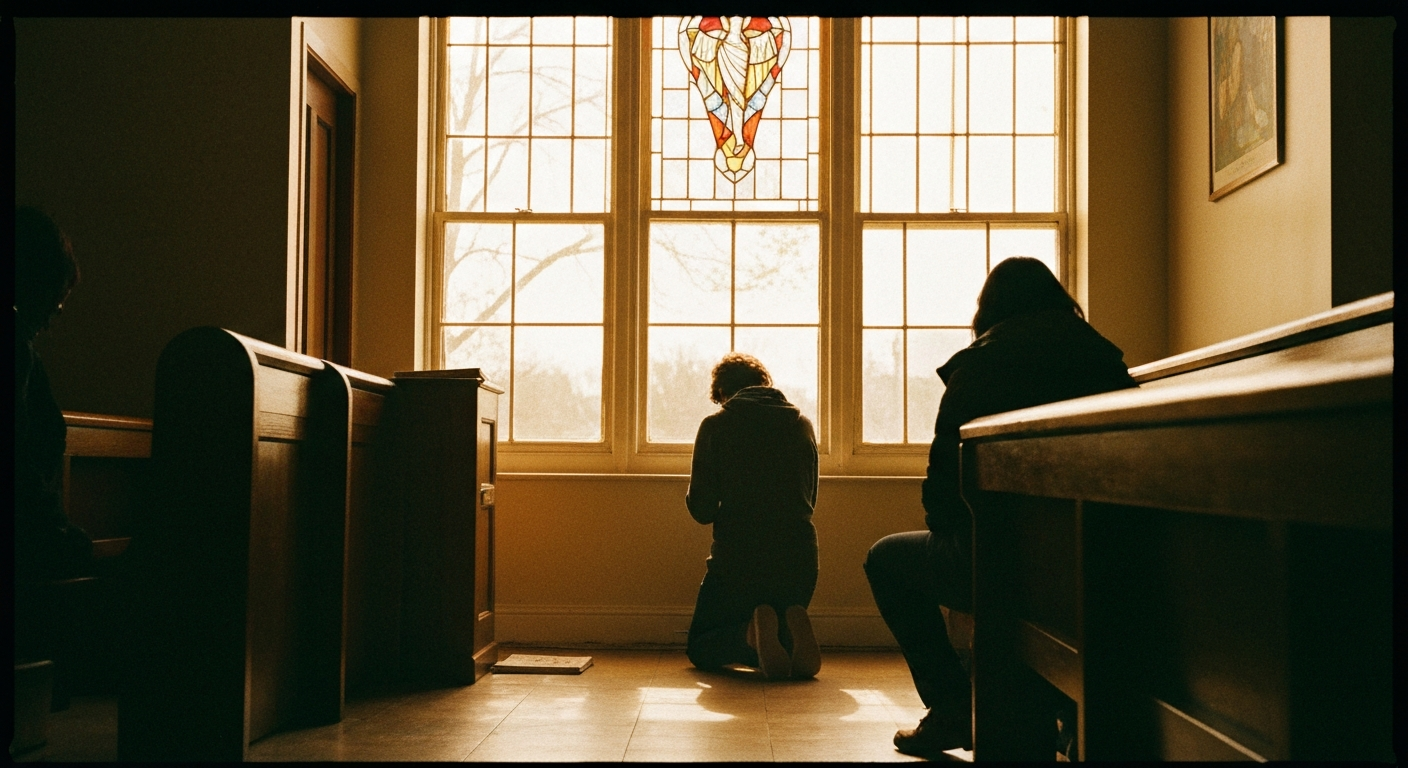
Iran Inside Iran's Underground Church
Iran's underground church is one of the fastest-growing in the world, the Holy Spirit is reaching Muslims through dreams, healings, and secret house churches despite severe persecution.
Read the story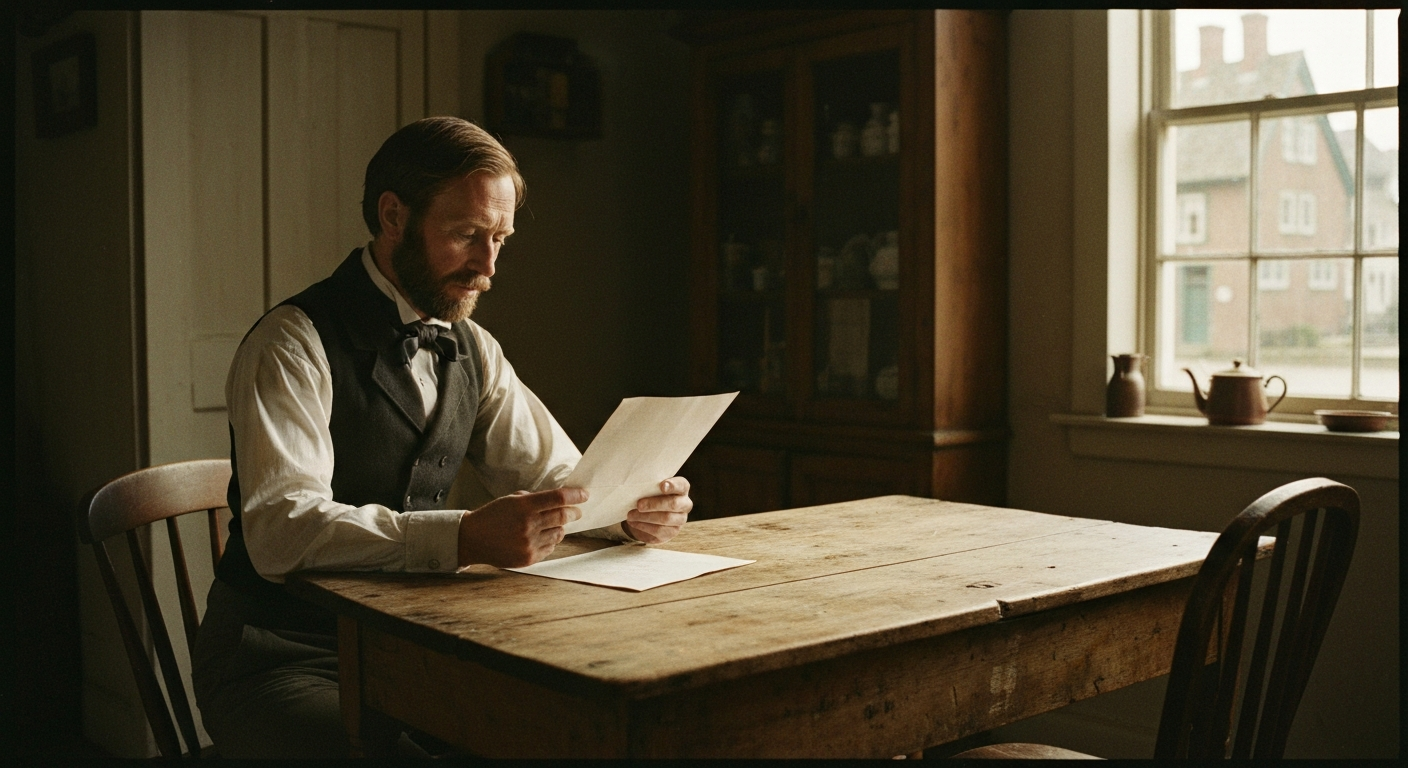 Bristol, City of Bristol
 When the Check Came - George Müller's Orphanages
George Müller cared for over 10,000 orphans in Bristol, England without ever asking anyone for money, trusting only God's provision through prayer.
Read the story Iran
Iran The Women Who Lead Iran's Underground Church When the Men Were Taken to Prison
When Iranian authorities imprison male house church leaders, women step forward to lead, teach, and multiply the underground church, making them the backbone of the fastest-growing church movement in the world.
Read the story