When God Remembers: Zakar and the Wind That Ended the Flood (Genesis 8)
Passage: Genesis 8:1–14
God remembered Noah (Genesis 8:1): zakar, the Hebrew verb for remember, is covenant faithfulness in action, and the ruach wind over the flood echoes Genesis 1.

Genesis 8 is the turning point of the entire flood story, and it turns on a single Hebrew verb.
Download Doxa, the app for recording, weighing and remembering prophetic encouragement.


The turning point of the flood
Genesis 8:1 is the turning point because it sits at the very top of the story, the moment God calls Noah to mind and the drowned world starts to come back. The flood account is built as a mirror. Read the days on the way in: seven days of waiting before the rain (Genesis 7:4), then forty days and forty nights of it (Genesis 7:12), then the waters holding their crest over the earth for a hundred and fifty days (Genesis 7:24). Now read the way out, and the same numbers unwind in reverse. The waters go down after a hundred and fifty days (Genesis 8:3), Noah waits forty days before he opens the window (Genesis 8:6), then seven-day gaps as he sends the dove (Genesis 8:10, 8:12). The story builds to a peak and then unwinds in the same order it built. At the very top, where the whole mirror turns, sits one sentence: "But God remembered Noah" (Genesis 8:1). Everything before it is the world drowning. Everything after it is the world coming back.
When God remembers
The verb is zakar (H2142), to remember. In Hebrew it describes covenant faithfulness going into action. Watch the pattern across Genesis and beyond. God "remembered Abraham" and rescued Lot out of the destruction (Genesis 19:29). "Then God remembered Rachel", and she conceived (Genesis 30:22). "He remembered His covenant" and brought a nation up out of Egypt (Exodus 2:24). God remembered Hannah, and Samuel was born (1 Samuel 1:19). In each one, remembering and rescuing are the same act. So when the text says God remembered Noah, the wind that dries the world is what that memory looks like from the outside.
A wind over the waters
The rescue is written as a new creation: God sends a wind over the waters and dry land rises, just as on the first page of the Bible. Look at the first thing God does after He remembers. "And God sent a wind over the earth" (Genesis 8:1). The word for wind is ruach (H7307), which is also the word for breath and for Spirit, and it has stood in exactly this setting once before. On the Bible's first page, over the shapeless waters, "the Spirit of God was hovering over the surface of the waters" (Genesis 1:2). Same ruach, same water. Creation began with the Spirit moving over the deep and dry land rising; the flood ends the identical way. God is running the first chapter of the Bible again.
The dry land settles it. The text says the flood "had dried up from the earth" (Genesis 8:13), the verb charab (H2717), and by the end "the earth was fully dry" (Genesis 8:14), the verb yabesh (H3001). On the third day of creation God gathered the waters so the dry land could appear (Genesis 1:9). Genesis 8 is that third day over again, the same ground surfacing out of the same water.
And the pattern does not stop at Noah. Centuries later God "drove back the sea with a strong east wind that turned it into dry land" (Exodus 14:21), and Israel walked out of Egypt across the seabed. A wind over the water, and then dry ground for a rescued people to cross. It is the flood's shape again, and it keeps pointing forward.
The dove and the olive leaf
The dove is Noah's messenger, sent out to see whether the land is dry, and on its second flight it brings back the first sign of new life above the flood. The bird is a yonah (H3123), a dove, and the second time it returns with "a freshly plucked olive leaf" (Genesis 8:11), a zayit (H2132) leaf, the first living green thing above the flood. Hold that image next to the Jordan. When Jesus comes up out of the baptismal water, the Spirit descends on Him like a dove (Matthew 3:16). The same three elements line up: the water of judgment, the dove over it, and new life on the far side. Genesis sketches the picture the Gospels will fill in.
New creation in Christ
Christ is where this new creation lands: in Him God remembers His people and brings them through the water into new life. Peter reads the flood as a picture of baptism, eight people carried safely through the water into a cleansed world (1 Peter 3:20–21). Paul writes that anyone in Christ is a new creation, the old order gone and a new one begun (2 Corinthians 5:17). Both are Genesis 8 enlarged. The wind over the water is the Spirit, and the dry land is resurrection ground. The God who remembered Noah remembers His people now in His Son. That is why a dying thief could pray "Jesus, remember me" (Luke 23:42) and be answered before the day was out. To be remembered by God is to be rescued by Him.
The Doxa Daily Lift today stayed on that turning point, God remembering Noah, and what it means to wait for a promise you can already trust is moving. Read it here. The flood going down is the oldest proof that when God remembers, a new world comes up out of the water.
Download Doxa, the app for recording, weighing and remembering prophetic encouragement.
Read next


From the Grace Record
Real accounts of what God has done, drawn from 2,000 years of believers.
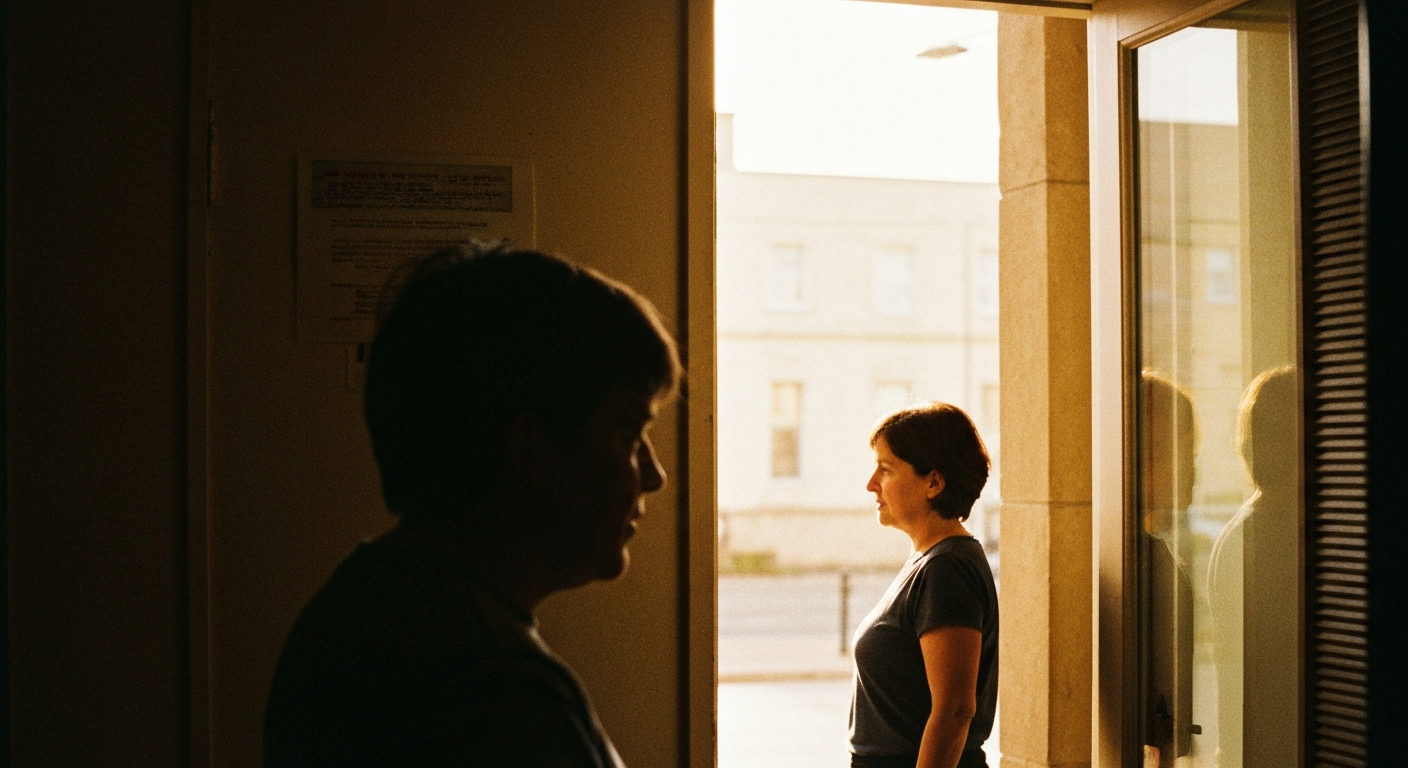 Iran
Iran The Women Who Lead Iran's Underground Church When the Men Were Taken to Prison
When Iranian authorities imprison male house church leaders, women step forward to lead, teach, and multiply the underground church, making them the backbone of the fastest-growing church movement in the world.
Read the story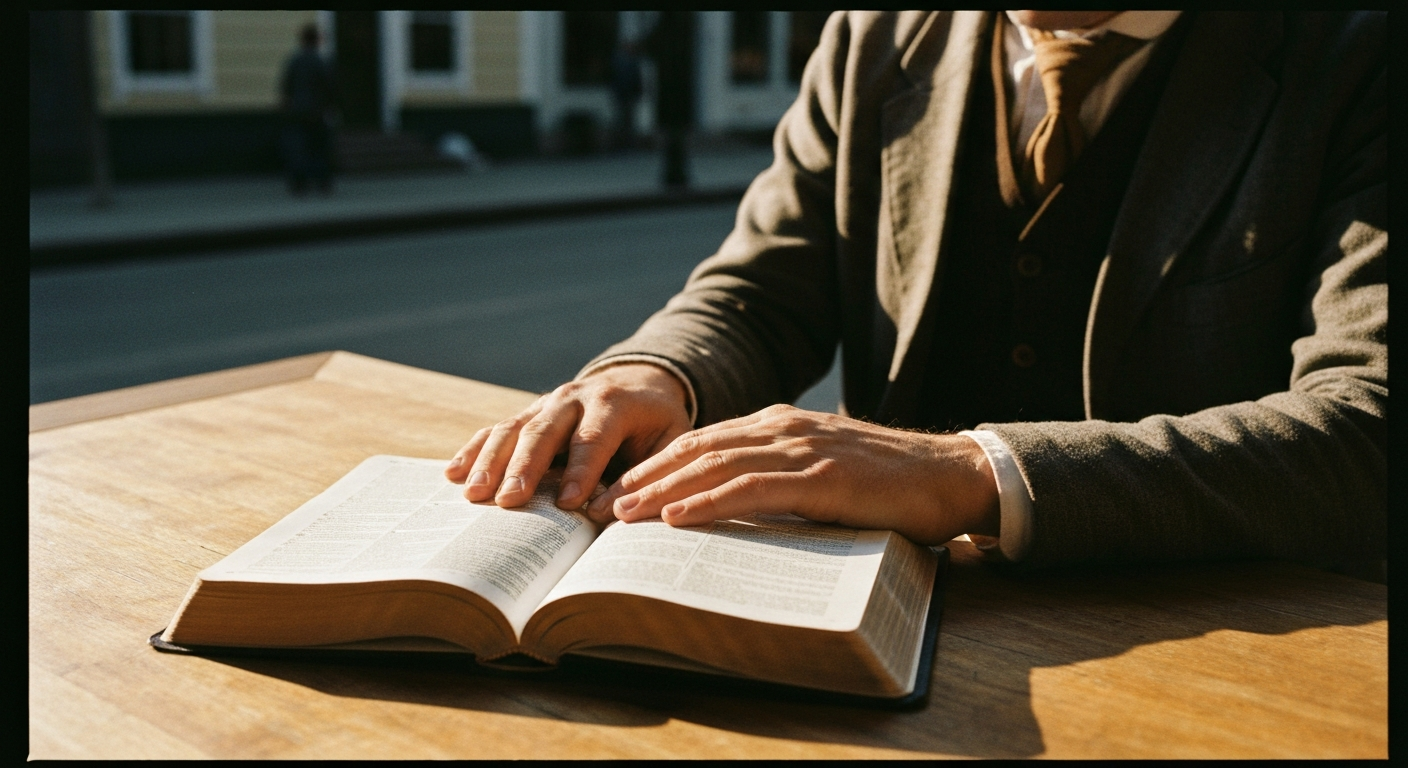 Samaria / Rome
 Justin Martyr: Philosopher Found True Wisdom
A Greek philosopher in 2nd century Rome searched through Stoicism, Platonism, and other philosophies before encountering Christianity.
Read the story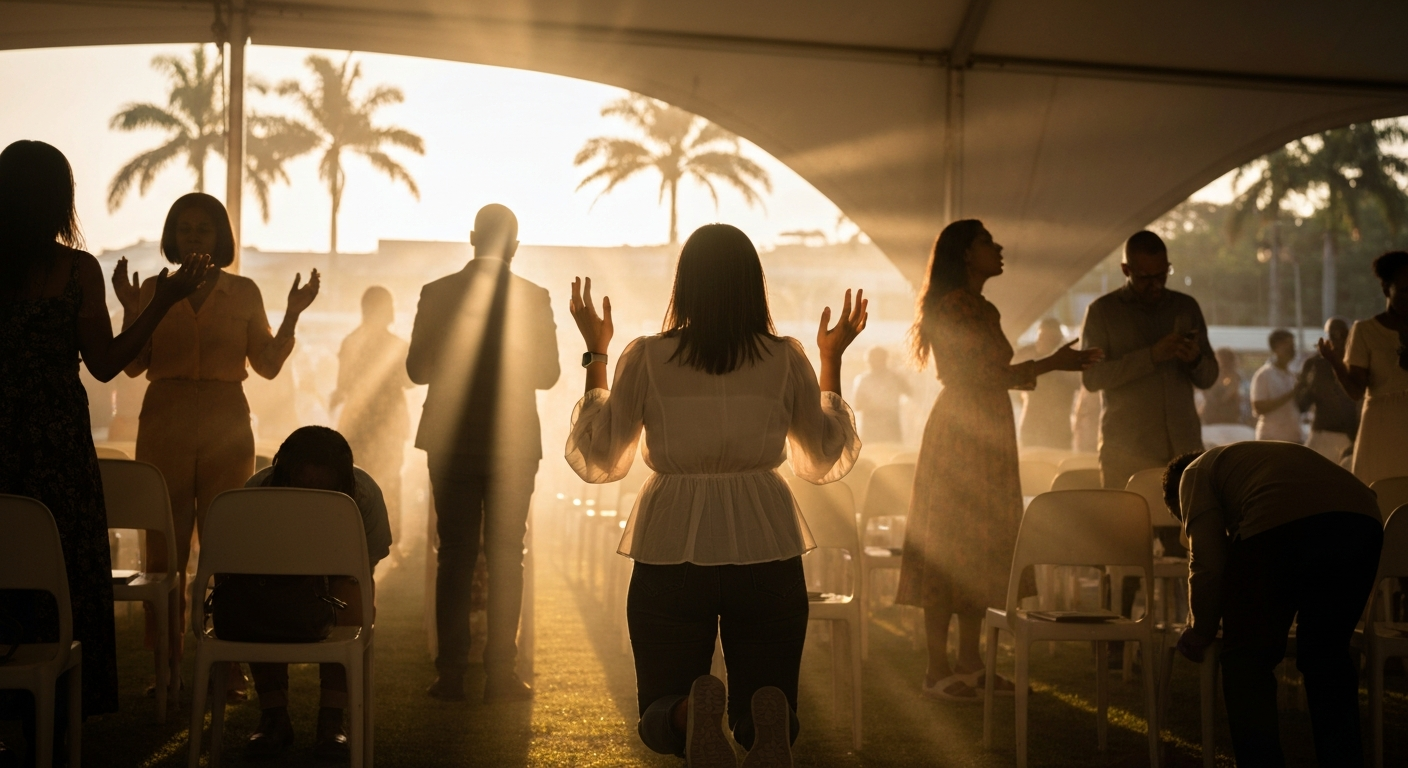 Durban, KwaZulu-Natal
 Miracle of Healing in South Africa
During a 2025 South Africa crusade, Precious was miraculously healed from diabetes through prayer, along with a woman healed from kidney infection.
Read the story