The Curse of Canaan: Noah's Worst Day and the Promise That Held (Genesis 9)
Passage: Genesis 9:18–29
In this passage: NoahCanaanShem
Day thirteen of a walk through the whole Bible to know the God who speaks. The flood is over and the new world has barely started when Noah gets drunk in his tent and one of his sons shames him. Genesis 9:18-29, the curse of Canaan and the blessing of Shem, and how the promise kept running through a family that had already fallen.

Noah has walked with God through the end of the world, and the first thing Scripture tells us about him afterward is that he planted a vineyard.
The man who built the ark and heard God down to the last measurement is a farmer again. He works the soil, grows the grapes, makes the wine, and one night he drinks too much of it and lies uncovered inside his tent (Genesis 9:20-21). The new world is only a few verses old, and already its most faithful man has a night he would want back.
Download Doxa, the app for recording, weighing and remembering prophetic encouragement.


Walking in backward
Ham told his brothers about his father's shame, and Shem and Japheth covered their father without looking at him. Ham walks in, sees his father lying there exposed, and goes back out to tell his two brothers (Genesis 9:22). Shem and Japheth answer differently. They take a garment, lay it across both their shoulders, and walk into the tent backward so their faces are turned away, and they cover their father without ever looking at him (Genesis 9:23).
One son carried his father's shame out the door as something to talk about. Two sons carried a cloak in the other direction and kept their eyes off it. What you do with what you have seen of someone's weakness is its own kind of test, and these brothers sat on opposite sides of it.
Cursed be Canaan
Noah curses Canaan in answer to what Canaan's father Ham did to him, and he blesses Shem because the LORD ties His own name to Shem. When Noah wakes and learns what happened, he speaks, and his words reach into the future. "Cursed be Canaan" (Genesis 9:25), the son of Ham, whose descendants would one day fill the land God later gave to Israel. Then Noah turns from cursing to worship: "Blessed be the LORD, the God of Shem" (Genesis 9:26). He prays that God would enlarge Japheth and let him "dwell in the tents of Shem" (Genesis 9:27).
Watch where God is named. In this whole scene of failure, God is mentioned once, and it is here, tied to Shem: the LORD, the God of Shem. To have God call Himself your God is what it means to be known by Him, and that is Shem's true inheritance. The line of promise runs on because God keeps binding His own name to a people, even when the man carrying it fails. Out of Shem's tents would come Abraham, and out of Abraham would come Jesus, whom Luke traces all the way back through Shem (Luke 3:36).
Shame covered for good
As in Eden, someone steps in to cover shame, and at the cross Jesus took our shame and covered it for good. The scene rhymes with the garden. There is fruit, there is nakedness, there is shame, and there is someone who steps in to cover it. In Eden it was God who made the garments and clothed the shame He found (Genesis 3:21). In this tent it was two sons with a cloak between them. Both moments point ahead to the cross, where Jesus, the son of Shem, took the shame that was ours and covered it for good. And Noah's prayer that Japheth would dwell in Shem's tents was the first faint sign that people from outside the line would one day share everything God was giving through it, which is exactly what happened when the gospel reached the nations.
When you learn something about someone at their lowest, you are holding a garment, and you get to decide which way to walk. You can take it out the door, or turn your eyes away and cover them. And underneath that, hold this for yourself. The promise over your life rests on God's name. Your worst day does not cancel it. Write down what He has said to you and keep it in the Doxa app, where you can find it again, because the day you fail is the day you will need it most.
What have you seen of someone's weakness lately, and would you pick up the cloak or carry it out the door? And what has God already said over you that you need to write down and hold, for the day the promise is all you have left?
Deeper study today in the Doxa Deeper Dive, on the Hebrew of Noah's blessing and curse, the wordplay hidden in Japheth's name, and how the tents of Shem stretch all the way to the church of the nations. Read it here.
Download Doxa, the app for recording, weighing and remembering prophetic encouragement.
Read next


From the Grace Record
Real accounts of what God has done, drawn from 2,000 years of believers.
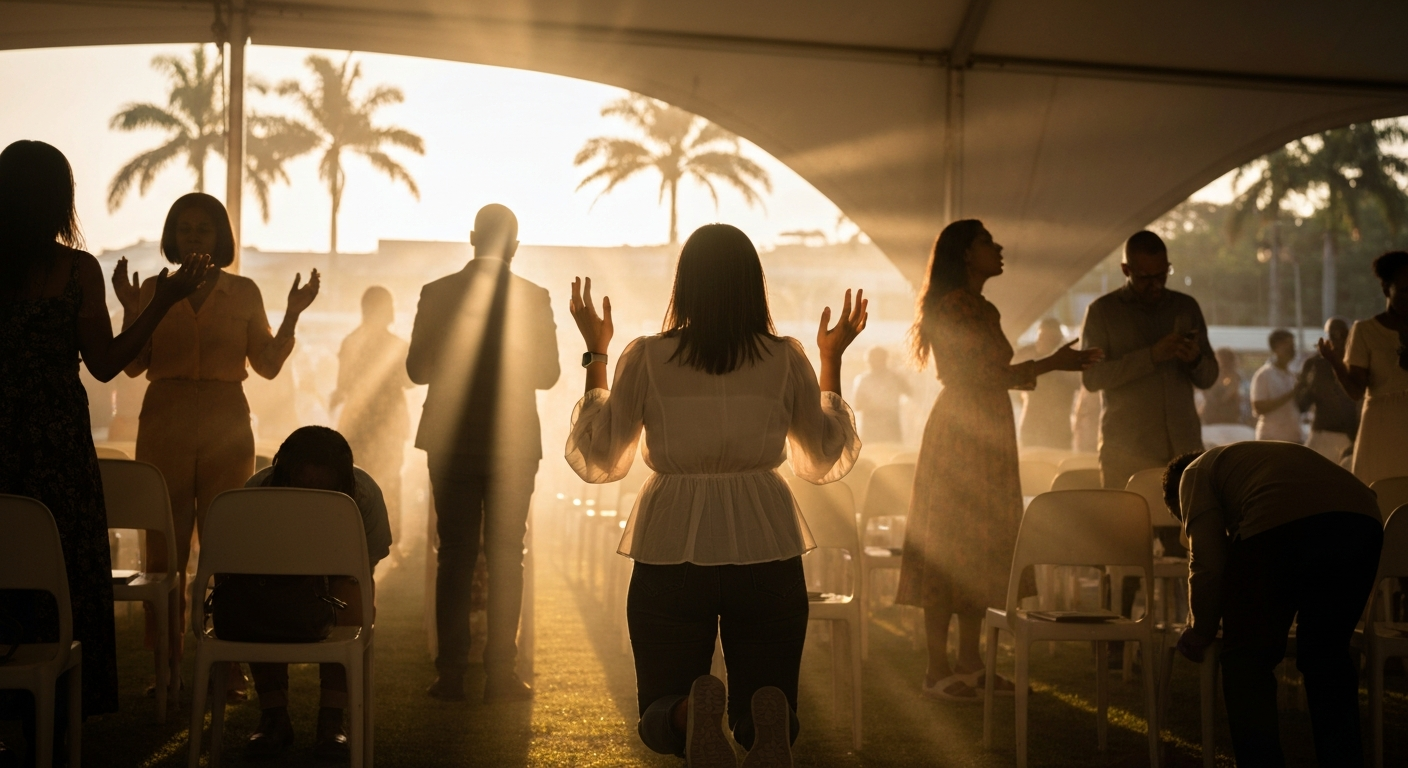 Durban, KwaZulu-Natal
 Miracle of Healing in South Africa
During a 2025 South Africa crusade, Precious was miraculously healed from diabetes through prayer, along with a woman healed from kidney infection.
Read the story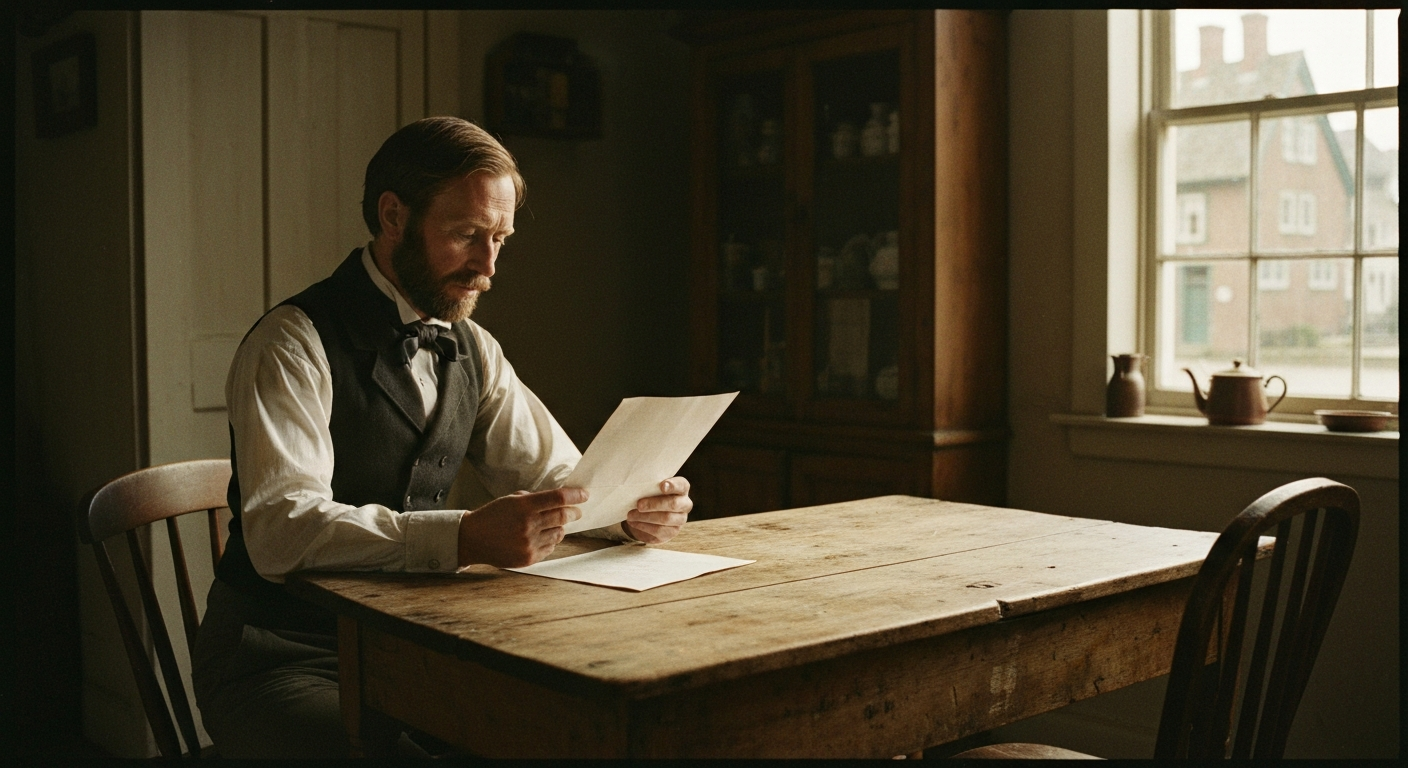 Bristol, City of Bristol
 When the Check Came - George Müller's Orphanages
George Müller cared for over 10,000 orphans in Bristol, England without ever asking anyone for money, trusting only God's provision through prayer.
Read the story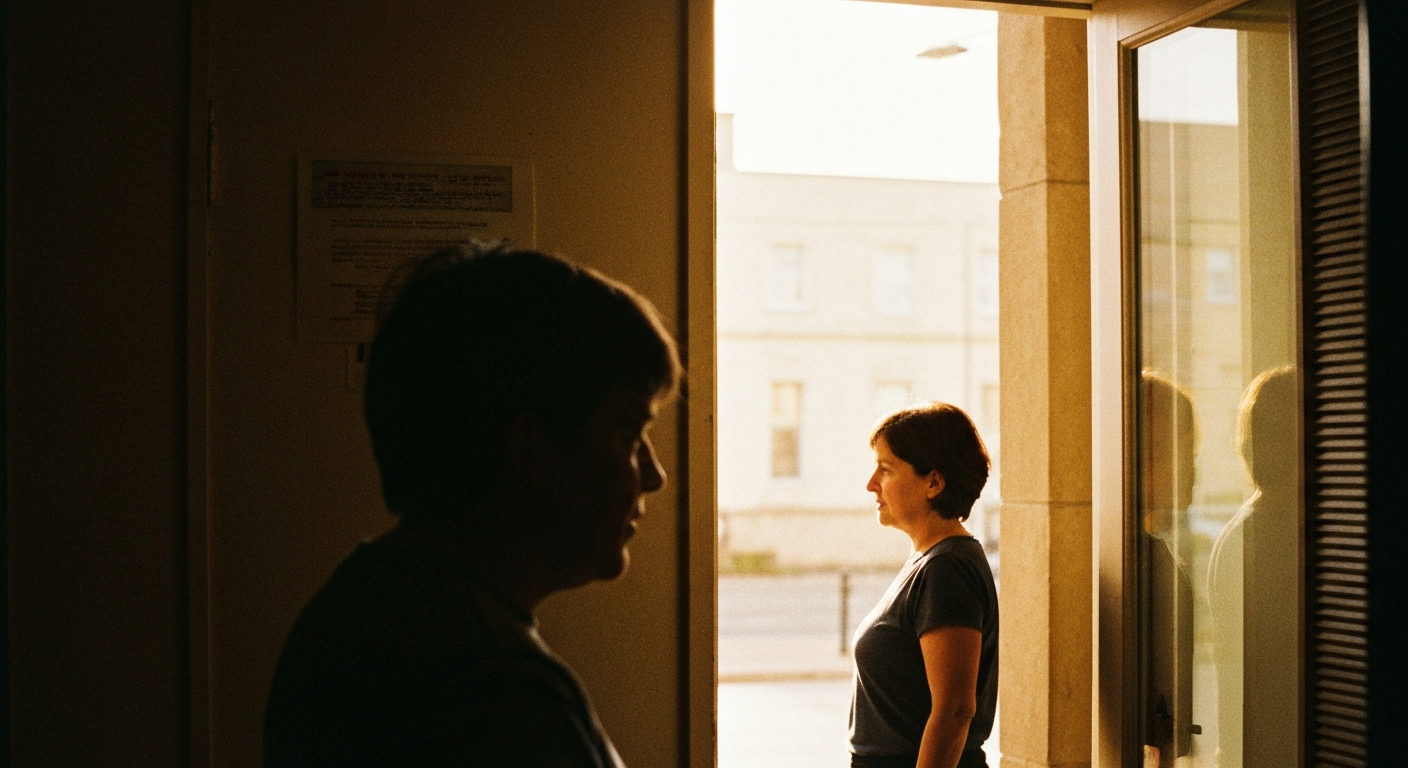 Iran
Iran The Women Who Lead Iran's Underground Church When the Men Were Taken to Prison
When Iranian authorities imprison male house church leaders, women step forward to lead, teach, and multiply the underground church, making them the backbone of the fastest-growing church movement in the world.
Read the story