You Can Shipwreck Your Faith by Forgetting Your Prophecies
It does not happen in an instant. You get busy, stop rehearsing what God promised, and slowly drift. Paul warned Timothy about this exact costly danger.

It doesn't happen in an instant.
Most of the time, it happens quietly. You get busy. You get tired. You stop telling the story of what God has promised you.
Days turn into years. Hope feels like something you used to carry.
And the words God said to you about your life, words that once felt electric, start to fade into the background.
This is why Paul urged Timothy to hold on tight to what had been said to him:
This charge I entrust to you, Timothy, my child, in accordance with the prophecies previously made about you, that by them you may wage the good warfare, holding faith and a good conscience. By rejecting this, some have made shipwreck of their faith.**( 1 Timothy 1:18, 19)
Notice the order:First, you remember the prophecies.Then, you wage your battles with them.
God's promises over your life are not decorations.They are weapons.They are anchors.They are reminders that you are part of a bigger story.

Remembering Is Not Looking Back
When you stop rehearsing what God has spoken, it's easy to feel untethered. You start to question whether you ever really heard Him at all.
But this isn't the end of the story.
Remembering is not just looking back. It's how you stay connected to the future God has prepared for you.
This is why Scripture is full of calls to remember:*Remember the wonders He has done.**Remember His faithfulness.*Remember the words He spoke.
Remembering fuels faith.It steadies you when life feels uncertain.It renews courage when the path gets long.
If You Feel Adrift
If you've lost sight of what God has promised, you're not alone. Everyone faces seasons when the horizon blurs. Even David, the man after God's own heart, had to remind himself to remember. "Bless the Lord, O my soul, and forget none of His benefits" (Psalm 103:2). The command to "forget none" tells you something: forgetting is the default. Remembering is the discipline.
But God is not pacing the shoreline, wondering if you'll find your way back. He is already near. He still holds the map.
The promises are still alive because He is.

You don't have to work yourself up to believe again.You just have to remember.
Remember what He has said.Remember what He has done.Remember who you are.
This is how you keep going, not with hype, but with history.Not with noise, but with promises that never fail. If you need a practical way to start, try journaling your faith.
You can shipwreck your faith by forgetting your prophecies.
But you can recover your faith by remembering them.
Frequently Asked Questions
What does Paul mean when he says some have "made shipwreck of their faith" in 1 Timothy 1:18-19?
Paul tells Timothy to fight with his prophecies, the words God had spoken over his life, holding onto faith and a good conscience. Shipwreck is what happens when those are abandoned. It is not a sudden collapse but a gradual drift: the prophetic promises are forgotten, the anchor is lost, and faith quietly becomes unmoored. Paul's point is that remembering specific things God has said is not optional sentiment: it is how you stay seaworthy in hard seasons.
Is forgetting your prophecies really dangerous to your faith?
Yes, and Psalm 103:2 makes the same point: "forget none of His benefits" (BSB). The command to "forget none" implies that forgetting is the natural default, and active remembering is a discipline. When you stop rehearsing what God has promised and done, the words that once felt certain begin to feel distant or questionable. Doubt is not the presence of unbelief; it is often simply the absence of remembered truth.
How do I practically remember the prophecies and promises God has given me?
Write them down immediately, with as much specific detail as you can: the context, the exact words, the date. Return to them regularly, especially when you are in a season where they feel hardest to believe. Paul did not just tell Timothy to receive his prophecies; he told him to "wage the good warfare" with them, which implies active, repeated use. Tools like Doxa exist specifically to keep prophetic words and testimonies searchable and revisable over years, not just the day they were first received.
What is the difference between a prophetic word and regular Bible promises?
Scripture's promises are universal and given to all believers; they apply to you because you are in Christ. A personal prophetic word is specific: a sense of direction, a calling spoken over your life, a word of encouragement given in a particular moment that you believe was from God. Both deserve to be held onto. The passage in 1 Timothy is specifically about personal prophecy, words made "about you," because those carry unique weight in the specific battles unique to your life.
Keep Reading
- Timothy's Prophecies: Weapons Paul Told Him to Fight
- Remember God's Promises: Why Active Memory Matters
- How to Remember a Prophecy: A Practical Guide
- Personal Prophecy App: Why Remembering Changes Everything
Doxa is built to help you remember what God said. Record your testimonies, revisit them when life gets hard, and engage with Scripture and 1,600+ real stories of God's faithfulness in The Grace Record. Get started free.
Download Doxa, the app for recording, weighing and remembering prophetic encouragement.


Read next


From the Grace Record
Real accounts of what God has done, drawn from 2,000 years of believers.
 Iran
Iran The Women Who Lead Iran's Underground Church When the Men Were Taken to Prison
When Iranian authorities imprison male house church leaders, women step forward to lead, teach, and multiply the underground church, making them the backbone of the fastest-growing church movement in the world.
Read the story Samaria / Rome
 Justin Martyr: Philosopher Found True Wisdom
A Greek philosopher in 2nd century Rome searched through Stoicism, Platonism, and other philosophies before encountering Christianity.
Read the story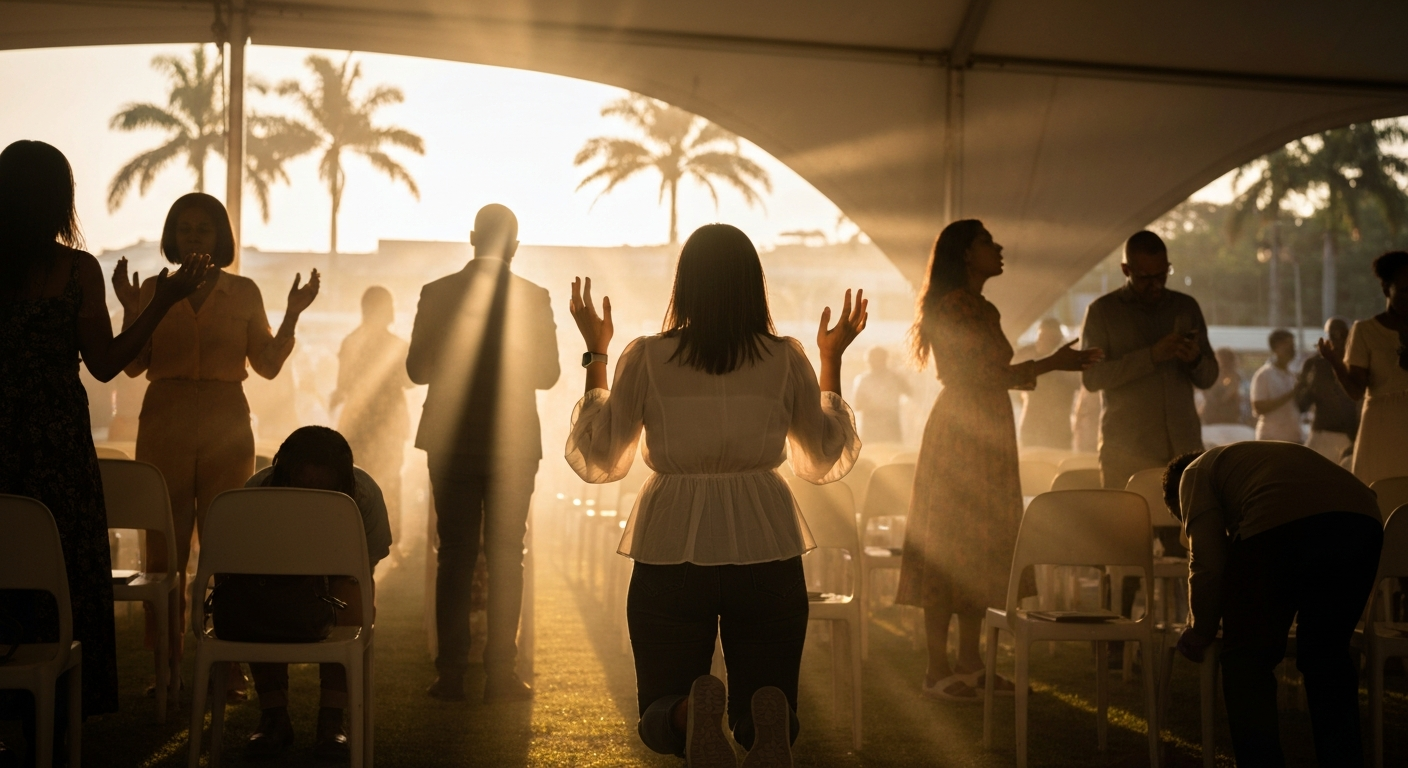 Durban, KwaZulu-Natal
 Miracle of Healing in South Africa
During a 2025 South Africa crusade, Precious was miraculously healed from diabetes through prayer, along with a woman healed from kidney infection.
Read the story