Seventy Nations, One Hunter: Why the Bible Counts Every People (Genesis 10)
Day fourteen of a walk through the whole Bible to know the God who speaks, opened up. Genesis 10:1-20 in the Hebrew: the toledot that files the nations as a record, the seventy peoples and why the number matters, the chalal and marad hiding inside Nimrod's rise, and how the word for languages runs from Babel to Pentecost. God keeps the names of the nations because He means to gather them, and to be known by Him is to have your name in His account.
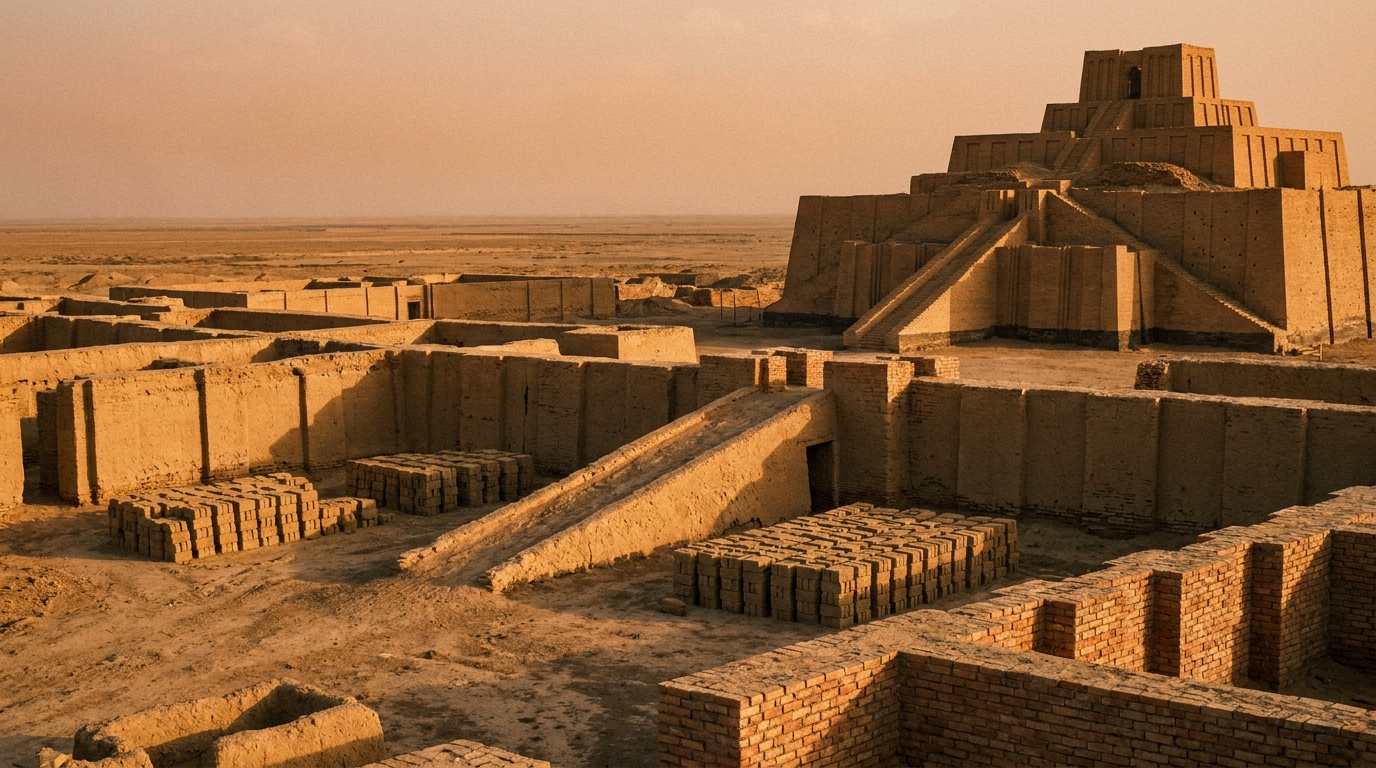
Genesis 10 looks like the part you skip to get to the story. In Hebrew it is built with more care than almost anything around it, and its word choices teach you how to read the nations that fill the rest of the Bible.
Why does Genesis record the nations so carefully?
The chapter opens with the word toledot (H8435), "the account of," literally the generations or the begettings (Genesis 10:1). It is the same word that framed "the account of the heavens and the earth" (Genesis 2:4) and that will soon frame Terah, Abraham's father (Genesis 11:27). Genesis files the nations under the same heading it gives creation itself. Then it closes each branch with a fourfold formula, "according to their clans, languages, lands, and nations" (Genesis 10:20): mishpachah (H4940), the clan; lashon (H3956), the tongue; erets (H776), the land; goy (H1471), the nation. Four ways of saying that God sees a people whole, by blood and speech and soil and border.
How many peoples are on the table, and why does it matter?
Count the peoples named across the whole chapter and the old reckoning reaches seventy: fourteen from Japheth, thirty from Ham, twenty-six from Shem. Seventy is a number Scripture keeps for the whole of a thing. Seventy of Jacob's household go down into Egypt (Genesis 46:27); seventy elders go up the mountain with Moses (Exodus 24:9). Genesis is telling you this list is all of us, the complete family of the earth, standing in the record before God has spoken a single promise to Abram.
Who was Nimrod, the mighty hunter before the LORD?
The list breaks its own rhythm for one man. Nimrod "began to be a mighty one on the earth" (Genesis 10:8). The verb rendered began to be is chalal (H2490), a root that also carries the sense of piercing through or profaning something set apart, so the first word about the first empire has an edge to it. He is a gibbor (H1368), a mighty man, the word later used for warriors and champions, and a "mighty hunter before the LORD," with tsayid (H6718) naming the hunt or the game he takes (Genesis 10:9). Even his name leans dark, since readers have long heard in Nimrod the verb marad (H4775), to rebel.
"Before the LORD" (Genesis 10:9), from panim (H6440), the face, is the phrase that unsettles. It can mean under God's blessing, in His favour; it can also mean simply in His sight, out in the open before the face of a God he never consults. Nimrod is mighty in full view of a God he is not listening to. His cities name the whole problem. His kingdom begins in Babylon in the land of Shinar (H8152) (Genesis 10:10), the exact plain where, one chapter on, people pool their strength to build a tower and the LORD comes down and confuses, balal (H1101), their speech, which is why the place is called Babel (Genesis 11:9). The empire of the mighty hunter and the tower of the name-makers rise from the same ground.
How do the languages of Genesis 10 reach all the way to Pentecost?
Lashon, the tongue, is the thread. In Genesis 10 the nations already differ by language, spreading "according to their languages" (Genesis 10:5); in Genesis 11 God makes that difference a judgment, scattering the proud by taking their shared speech away. Yet the scattering did not last. At Pentecost the Spirit falls and Galileans are heard "declaring the wonders of God in our own tongues" (Acts 2:11) by people drawn from the very nations Genesis 10 named. What Babel broke, God begins to heal at Pentecost. The languages stay, and He speaks into all of them at once. And John sees the end of the road, "a multitude too large to count, from every nation and tribe and people and tongue" (Revelation 7:9), the seventy grown past counting, every language kept and gathered before the throne.
Whose name lasts?
Under the whole chapter runs one quiet contrast about names. Shem (H8034), the son whose line the promise follows, is simply the Hebrew word for name. Nimrod and the builders of Babel want a shem too, one they can raise for themselves out of brick and conquest (Genesis 11:4). One name is received; the other is seized. God keeps the names of the nations, all seventy of them, filed under His own account, because He means to gather them, and He will start by giving one man from among them a name he could never have built (Genesis 12:2). To be known by God is to have your name in that record, put there by Him. It is what Jesus meant when He told His followers to rejoice that "your names are written in heaven" (Luke 10:20), and why He could send them to "make disciples of all nations" (Matthew 28:19). The list of the nations was His guest list from the start.
This is the study behind today's Doxa Daily Lift on Genesis 10. Read the Lift here.
Continue this pillar
Hear & Recognise
My Sheep Know My Voice: Hearing God and Testing Every Whisper
How to recognise God's voice the way a child knows their mother's, and why every impression must be tested against the person of Jesus.
How to Hear God's Voice: A Practical Guide for Believers
Wondering if God still speaks? A practical, honest guide to hearing God's voice through Scripture, testimonies, and everyday life. No mysticism required.
Knowing the Voice of God in a World Full of Noise
God's voice is not one option among many. In a world of competing voices, how do you discern what the Holy Spirit is saying? Why it matters more than ever.
Next in the practice
Prophesy
Stewarding the words God gives you for others, and yourself.
Continue to ProphesyTry Doxa free
Three free interactions in your browser. No signup required to start.Free on iOS and Android.
Try Doxa Free

Or get the app for unlimited interactions and live voice.
Keep reading
Credited as Righteousness: How Abram Was Made Right (Genesis 15)
Day twenty-five of a walk through the whole Bible to know the God who speaks, opened up. Genesis 15:1-6 in the Hebrew: the shield (magen) and reward (sakar) God names Himself after the battle; the ancient Nuzi custom of adopting a servant as heir that lies behind Abram's worry; and the two words that carry the whole scene, aman, the root of 'amen', the firmness of a child leaning its full weight on arms it trusts, and chashab, the accountant's word for what God enters in the ledger when He counts Abram's trust as righteousness. Why this quiet night is where Scripture defines faith, and how Paul reads it straight through to Jesus.
Abram Believed God: The Night He Counted the Stars (Genesis 15)
Day twenty-five of a walk through the whole Bible to know the God who speaks. Abram is rich and childless, and God comes to him in the dark with a shield, a reward, and a sky full of stars he cannot count. Abram says his ache out loud, God answers with one child and a countless family, and Abram believes Him, the moment Scripture will call the first man credited as righteous for taking God at His word. Why believing what God says, when your life still argues the other way, is how anyone comes to know Him and be counted right with Him.
From the Grace Record
Real accounts of what God has done, drawn from 2,000 years of believers.
Miracle of Healing in South Africa
During a 2025 South Africa crusade, Precious was miraculously healed from diabetes through prayer, along with a woman healed from kidney infection.
Polycarp of Smyrna
Polycarp of Smyrna, student of Apostle John, remained faithful to Christ for 86 years until his martyrdom in 155 AD, declaring he could never blaspheme.
The Women Who Lead Iran's Underground Church When the Men Were Taken to Prison
When Iranian authorities imprison male house church leaders, women step forward to lead, teach, and multiply the underground church, making them the backbone of the fastest-growing church movement in the world.