Don't Waste the Wait: Speaking Strong When God Says Now
Waiting on God is not passive; it is prayerful, watchful, and ready. Preparing your heart in the silence so you can speak with courage when God says now.

We're learning a rhythm together: actively remember what God has promised and what He has already done, so we can fight the good fight and win. That remembering births courage. And sometimes courage looks like waiting, not passive, but prayerful, watchful, ready, until God says, now.
Prophetic courage isn't about being loud; it's love that obeys. Grace first. Overflow, not effort.
Today's trade
This series traces a simple pattern we call the trade: someone lays down what they already have (reputation, safety, position, comfort, control), and God gives something better (clarity, freedom, courage, fruit) as they obey.
Today we're with Simeon, Anna, Hannah, Caleb, and Habakkuk, men and women who gave up hurry and cynicism and gained depth, patience, and a voice that lasts. Their stories echo the spiritual discipline of remembering. As they waited, God's rule, justice, mercy, love, joy, peace, broke into real life.
Gave up: impatience, timelines of our own making, the comfort of pessimism.Gained: steady hearts, clear words, and holy timing.
There is always fire on acceptable sacrifice.
Simeon , promise kept in an ordinary morning (Luke 2:25, 35)
Context & date: Jerusalem, c. 6, 4 BC (around the time of Jesus' birth and presentation at the temple). Simeon is a devout man "waiting for the consolation of Israel."Scene: temple courts at dawn; a young couple with a baby; a man who has been waiting his whole life.Gave up: the urge to force outcomes and the right to see everything fixed in his lifetime.Courageous act/words: At the Spirit's nudge, he took the Child in his arms and spoke blessing and hard truth, light for the nations, a sword that would pierce.How it likely felt: relief like a tide; joy steadied by realism.Felt cost: years of quiet waiting with no platform and no control.Gained: now, the moment God promised; joy and peace that named what God was doing.Fire on the sacrifice: patient years produced clear words at the precise minute heaven wanted them.
Anna , decades of prayer that turned into speech (Luke 2:36, 38)
Context & date: Jerusalem, c. 6, 4 BC. Anna is an elderly widow known for fasting and prayer at the temple.Scene: the cool of morning; a Child in His parents' arms; footpaths worn by faithful knees.Gave up: a quieter life and the ease of letting disappointment harden into silence.Courageous act/words: She stepped forward, thanked God, and spoke about the Child to those longing for redemption.How it likely felt: full-hearted; the dam finally giving way to a river of hope.Felt cost: being seen as overly devout; years of obscurity.Gained: a credible, seasoned voice that lifted joy in people who had waited.Fire on the sacrifice: long prayers became timely speech.

Hannah , tears that built a future (1 Samuel 1, 2)
Context & date: Shiloh, 11th century BC (period of the judges moving toward kings). Hannah is childless, mocked, and misunderstood by a priest.Scene: a sanctuary floor; silent lips; a vow whispered where God could hear.Gave up: the right to bitterness and the son she begged for, promising to dedicate him to God.Courageous act/words: She poured out her soul to God and kept her vow when Samuel was born.How it likely felt: raw and resolute; love stronger than pain.Felt cost: handing over the child she longed for; the ache of letting go.Gained: Samuel's life and ministry; a song that names justice and mercy rolling down (1 Sam 2).Fire on the sacrifice: surrendered longing became a leader who would shape a nation.
Caleb , faith with grey hair (Numbers 13, 14; Joshua 14)
Context & date: Late Bronze Age (date debated). Caleb trusted God when ten spies spread fear (Numbers 13, 14). Forty-five years later, in Joshua's day, he is still ready.Scene: an assembly that once held stones; decades of desert; an old man asking for hills with giants.Gave up: peer approval and the right to quit after a long delay.Courageous act/words: "Give me this hill country." He held the line for decades and then finished what he started.How it likely felt: lonely often; steady always.Felt cost: forty years of waiting with a generation that would not enter.Gained: Hebron as inheritance; peace after a long obedience.Fire on the sacrifice: the wait didn't waste him, it strengthened him for the climb.
Habakkuk , a song for dark days (Habakkuk 1, 3)
Context & date: Judah, late 7th century BC (c. 620, 600 BC). Violence rises at home; Babylon looms abroad.Scene: a watchtower; a prophet with questions; a tablet and a prayer.Gave up: insistence on fast answers and a timeline he could manage.Courageous act/words: "I will wait to see what He will say," then write the vision; finally, a prayer: even if the fields fail, yet I will rejoice.How it likely felt: trembling and trust in the same body (3:16).Felt cost: living through delay without letting cynicism take the lead.Gained: clarity for the community and a hymn of defiant joy that still steadies hearts.Fire on the sacrifice: surrendered timing became a song that outlived the crisis.

Wait well. Speak strong.
Waiting with God is not wasted time. It's where steel grows under kindness, and words ripen until they're ready. If you need strength in the middle, read about encouragement for hard seasons.
In their delay, these five carried justice, mercy, love, joy, and peace into real streets and homes. The wait didn't weaken them. It loaded the gun.
Tomorrow: Truth to Power , Moses before Pharaoh, Elijah before Ahab, Jeremiah before Zedekiah, Daniel before Darius, and Paul before Agrippa. The trade: giving up the safety of silence to bring liberating clarity.
Frequently Asked Questions
What does it mean to "wait on God" in the Bible?
Waiting on God in Scripture is not passive resignation; it is an active, prayerful posture of readiness. The Hebrew word qavah (as in Isaiah 40:31) carries the sense of binding yourself to something, like a rope under tension. Habakkuk modelled it precisely: he climbed to his watchtower, asked God hard questions, then held his ground until God answered, and when the answer came, he wrote it down and held it as a song even when the fields failed (Habakkuk 3:17–18, BSB). Waiting well is how steel grows under kindness.
How do Simeon and Anna show us what faithful waiting looks like?
Simeon and Anna (Luke 2:25–38) each spent decades in prayerful expectation, with no platform and no public recognition. What sustained them was not technique but trust; they were convinced that the God who promised would deliver. When the moment finally arrived, their long wait gave them words that were precise, clear, and quietly authoritative. The pattern the post calls "the trade" applies here: they gave up hurry and the comfort of cynicism, and they gained a timely voice that still speaks two thousand years later.
Is it wrong to feel frustrated during a long season of waiting?
No, and the Bible doesn't pretend otherwise. Hannah wept openly before God in Shiloh (1 Samuel 1:10–11, BSB). Habakkuk argued with God before he submitted to His timing. The frustration itself is not the problem; what matters is where you bring it. Pouring out honest emotion before God, as Hannah did, is the opposite of despair; it is an act of trust that God is listening and that He is big enough to hold what you are feeling.
How do I know when it's time to speak rather than keep waiting?
Simeon's example in Luke 2 is instructive: he moved "in the Spirit," not out of impatience, not on a personal timetable, but at a discernible prompt that was both clear and quiet. The waiting seasons described in this post (Simeon, Caleb, Habakkuk) all ended with a moment that was unmistakably God's and not their own initiative. Practically, this is why recording what God has said in seasons of silence matters so much: when the moment comes, you are speaking from a full reservoir, not scraping for something to say.
Keep Reading
- Encouragement for Hard Seasons: What the Bible Says
- Move Forward: What Courage Looks Like When You're Stuck
- Why Gen Z Is Leaving Church (But Not Faith)
- The Cost of Conviction: When Faith Meets Resistance
Doxa is built to help you remember what God said. Record your testimonies, revisit them when life gets hard, and engage with Scripture and 1,600+ real stories of God's faithfulness in The Grace Record. Get started free.

Download Doxa, the app for recording, weighing and remembering prophetic encouragement.


Read next


From the Grace Record
Real accounts of what God has done, drawn from 2,000 years of believers.
 Iran
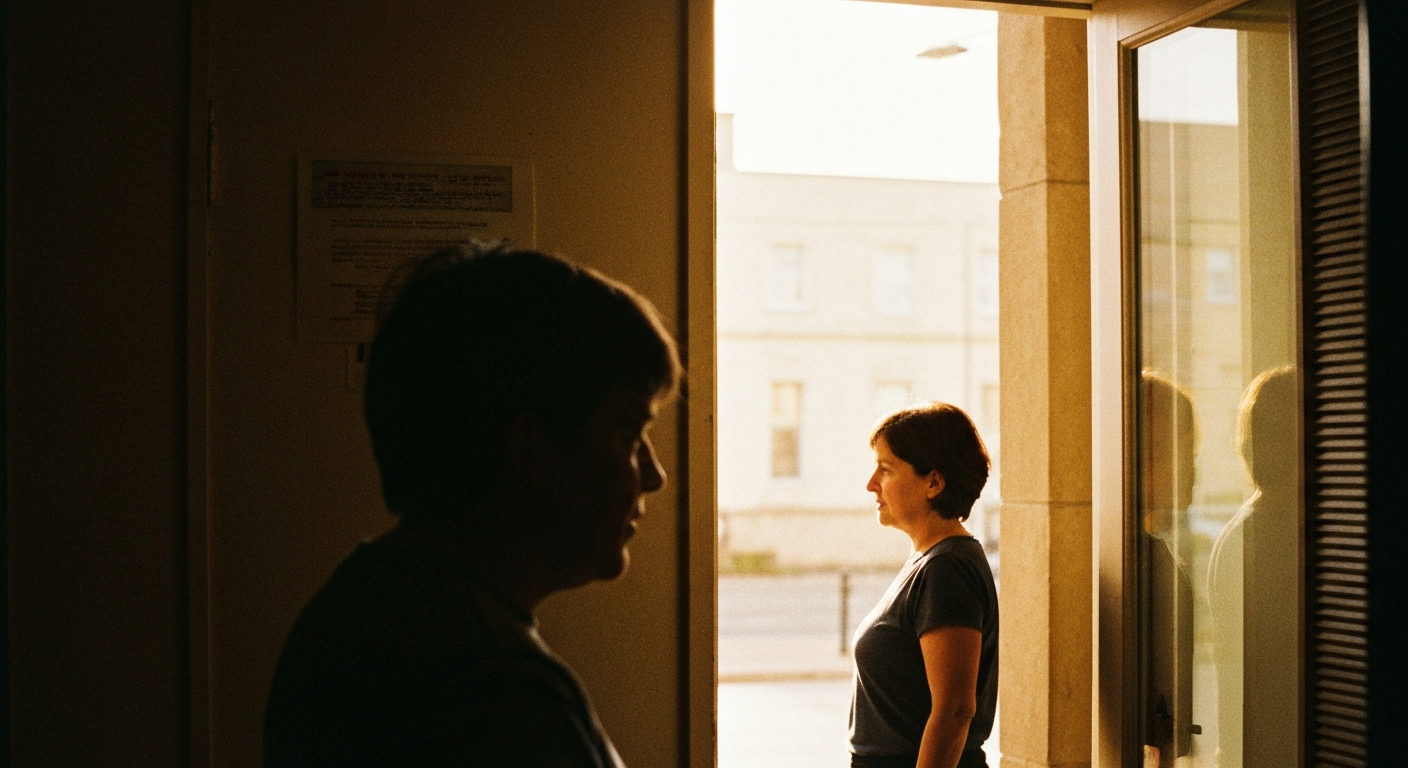
Iran The Women Who Lead Iran's Underground Church When the Men Were Taken to Prison
When Iranian authorities imprison male house church leaders, women step forward to lead, teach, and multiply the underground church, making them the backbone of the fastest-growing church movement in the world.
Read the story Samaria / Rome
 Justin Martyr: Philosopher Found True Wisdom
A Greek philosopher in 2nd century Rome searched through Stoicism, Platonism, and other philosophies before encountering Christianity.
Read the story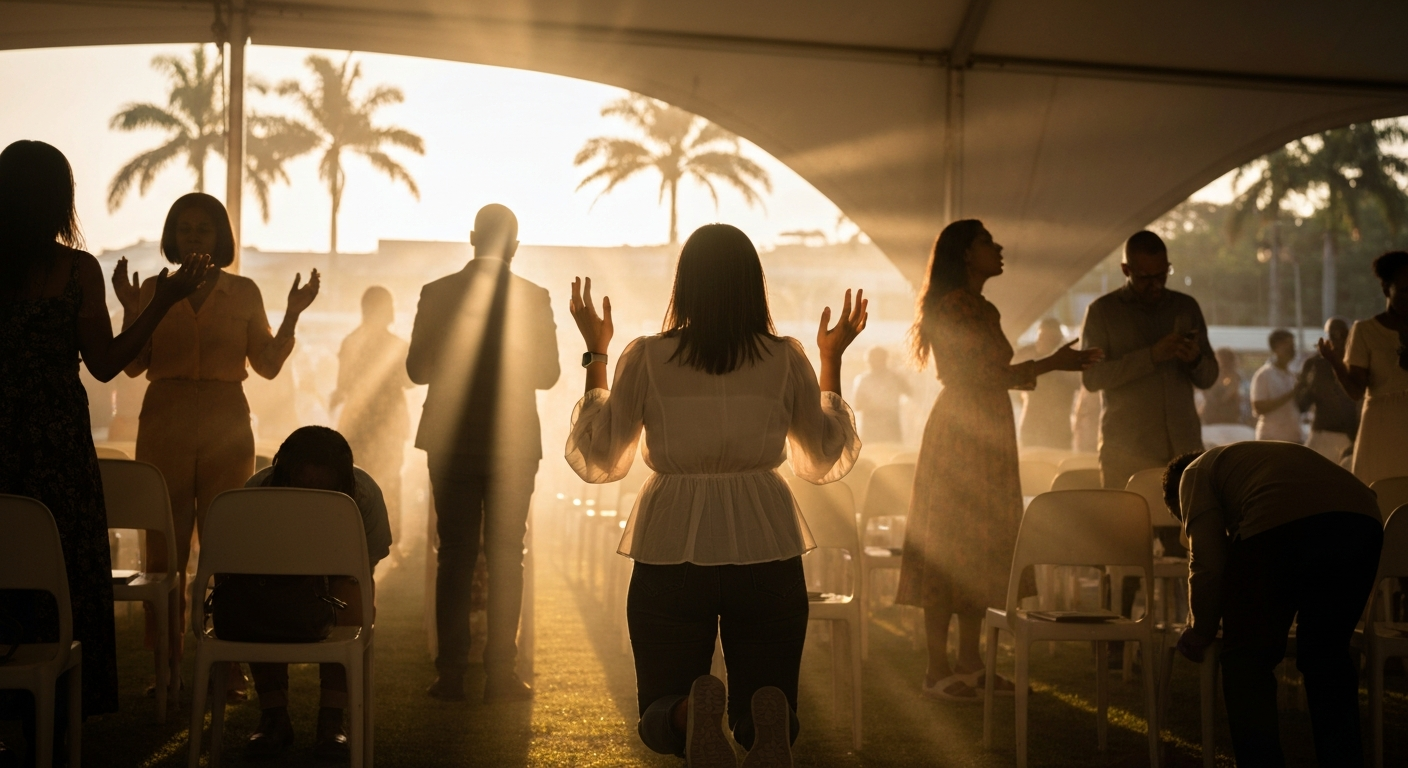 Durban, KwaZulu-Natal
 Miracle of Healing in South Africa
During a 2025 South Africa crusade, Precious was miraculously healed from diabetes through prayer, along with a woman healed from kidney infection.
Read the story