Your Desk Is an Altar: Finding God in Everyday Work
Work is not outside God's story. Done with Him, justice, mercy, and joy break into ordinary places. Your Monday desk is an altar, not just your Sunday seat.

A daily doxa series for the UK church: What They Gave Up, What They Gained - Day 15
We're learning a rhythm together: actively remember what God has promised and what He has already done, so we can fight the good fight and win. That remembering births courage, and it also reimagines Mondays. Work is not outside God's story. Done with Him, justice, mercy, love, joy, and peace begin to break into ordinary places, on earth as it is in heaven.
Prophetic courage isn't just about speaking up; it's love that obeys. Grace first. Overflow, not effort.
Today's trade
This series traces a simple pattern we call the trade: someone lays down what they already have (reputation, safety, position, comfort, control), and God gives something better (clarity, freedom, courage, fruit) as they obey.
Today we're looking at Bezalel & Oholiab, Daniel, Lydia, Priscilla & Aquila, and Cornelius, who gave up compartmentalised faith and let faith lead their work, how they built, chose, spoke, and served. They treated craft, leadership, commerce, and command as places where God's Presence moves.
Gave up: "work-life/spirit-life" divide; safe neutrality; profit-first thinking.Gained: excellence with God's Presence, credibility, and people lifted by their labour.
There is always fire on acceptable sacrifice.
Bezalel & Oholiab , beauty that makes room for God (Exodus 31, 36)
Context & date: Wilderness of Sinai, traditionally 13th century BC (date debated). Two master artisans are filled by God's Spirit to design and build the tabernacle.Scene: hammered gold, dyed thread, the smell of fresh-cut acacia; plans sketched in sand and Spirit-given skill.Gave up: private commissions and the freedom to make whatever they liked.Courageous act/words: They used their best craft for God's dwelling, taught others, and followed the pattern exactly.How it likely felt: exhilarating and exacting; holy incentive to get it right.Felt cost: time, creative autonomy, and commercial opportunity.Gained: a beautiful, mobile sanctuary, a workplace that became worship and a nation re-centred around God's Presence.Fire on the sacrifice: obedient craftsmanship turned a camp into a meeting place with God.
Daniel , integrity in public service (Daniel 1; 6)
Context & date: Babylon and Persia, early, mid 6th century BC. An exile who rises to senior government under Nebuchadnezzar and Darius.Scene: ledgers and laws; an administrator whose "excellent spirit" exposes corruption.Gave up: the easy wins of compromise and the safety of blending in.Courageous act/words: He set early boundaries (diet, worship), served with distinction, and kept praying when prayer was outlawed.How it likely felt: steady resolve under constant scrutiny.Felt cost: career risk, the lions' den, being envied and targeted.Gained: credibility, wisdom that protected the realm, and public honour for God.Fire on the sacrifice: integrity at work became justice for many and a decree that praised God.

Lydia , profit that hosts the Presence (Acts 16:11, 15, 40)
Context & date: Philippi, c. AD 49, 50. A successful merchant in purple cloth hears Paul by the river; the first recorded convert in Europe.Scene: sunlight on water; contracts and keys; a front door opened wide.Gave up: privacy, business caution, and a tidy boundary between faith and trade.Courageous act/words: She and her household were baptised; she insisted the apostles stay, her home became the church in Philippi.How it likely felt: stretching budgets and reputation; joyful resolve.Felt cost: client questions, household disruption, ongoing expense.Gained: a Spirit-filled hub in a Roman colony; joy and peace planted in a hard place.Fire on the sacrifice: commerce turned into community; a house became an altar.
Priscilla & Aquila , craft and doctrine under one roof (Acts 18:1, 3, 24, 28; Rom 16:3)
Context & date: AD 50s. A married couple, tentmakers by trade, partner with Paul in Corinth and Ephesus.Scene: leather stretched on frames; Scripture by lamplight; apprentices, prayers, and hospitality.Gave up: a quiet, profitable routine and the comfort of cheering gifted preachers from a distance.Courageous act/words: They hosted a church in their home and "explained the way of God more accurately" to Apollos, privately and honourably.How it likely felt: tender courage; risking relational awkwardness for the sake of truth.Felt cost: time away from production; social risk; possibly lost clients.Gained: a sharpened preacher, stronger churches, and a reputation as faithful co-workers.Fire on the sacrifice: everyday craft carried mercy and clarity into a whole region.
Cornelius , command under a greater King (Acts 10)
Context & date: Caesarea, early AD 30s. A Roman centurion, respected, generous, God-fearing, receives an angelic instruction and sends for Peter.Scene: a soldier's household gathered; doors open to outsiders; a table set for reconciliation.Gave up: tribal safety and reputation among Romans for associating with Jews and new believers.Courageous act/words: He obeyed the vision, welcomed Peter, and embraced the gospel with his whole household.How it likely felt: vulnerable across cultural lines; hopeful.Felt cost: peer suspicion; career risk; rearranged loyalties.Gained: the Holy Spirit poured out on everyone; joy and peace crossing borders; the church enlarged.Fire on the sacrifice: an officer's obedience became a doorway for nations.

Drop the Divide
When work worships, cities change. Spreadsheets and sewing tables, studios and stations, every task can host justice, mercy, love, joy, and peace when we offer it to God and obey. Bring your desk to the altar. Watch heaven touch the week. This is what it looks like to practice the spiritual discipline of remembering in everyday life.
Tomorrow: When Waiting Trains Your Voice , Simeon, Anna, Hannah, Caleb, and Habakkuk. The trade: giving up hurry and cynicism to gain depth, patience, and a word that lasts.
Frequently Asked Questions
What does it mean for work to be an act of worship for a Christian?
Work becomes worship when it is offered to God with integrity, excellence, and awareness of His presence, rather than treated as a separate, secular compartment of life. Bezalel and Oholiab used Spirit-given craft to build a sanctuary; Lydia used commerce to host a church; Daniel used civil administration to serve with justice. In every case, the trade was the same: the false divide between "faith life" and "work life" was surrendered, and what remained was ordinary activity carried out under God's authority and for His purposes.
How did biblical figures like Daniel and Lydia keep their faith integrated with their professional lives?
Daniel set early, visible boundaries, his diet, his prayer practice, and then served with consistent excellence that was impossible to ignore or discredit. Lydia opened her home (and her business network) immediately after her conversion, making hospitality to the early church a structural part of her commercial life. Neither treated Sunday and Monday as different worlds. Both paid real costs: Daniel faced the lions' den; Lydia absorbed the disruption of hosting apostles. What they gained was credibility, fruit, and the presence of God in environments that otherwise lacked it.
Can everyday professional work have a genuinely prophetic dimension?
Yes. Prophetic courage is not limited to spoken words; it includes love that obeys in ordinary settings. When a Christian in a workplace chooses justice over profit, mercy over convenience, or peace over self-promotion, they are demonstrating a different order of things. Cornelius's obedience as a Roman officer opened a doorway for the Gentile church. Priscilla and Aquila's tents and doctrine worked together. The desk, the studio, the construction site, and the meeting room can all be places where God's character becomes visible through the people who work in them.
How can recording my faith help me maintain integrity at work over the long term?
Remembering what God has said and done is what sustains courage across long stretches of ordinary time, not just in the dramatic moments. When you record a specific instance of God's faithfulness, a provision, a conviction, a word that proved true, and return to it in later seasons, you build a personal archive of evidence that He is present and active. That archive makes it easier to stay oriented when the pressures of work push toward compromise. Doxa is built for exactly this: capturing what God speaks, so you can remember it when Monday feels far from Sunday.
Keep Reading
- How to Journal Your Faith (Even If You Hate Writing)
- Prayer Journal Prompts: 30 Questions to Go Deeper with God
- Christian Affirmations vs Manifestation: The Difference
- How to Remember a Prophecy: A Practical Guide
Doxa is built to help you remember what God said. Record your testimonies, revisit them when life gets hard, and engage with Scripture and 1,600+ real stories of God's faithfulness in The Grace Record. Get started free.

Download Doxa, the app for recording, weighing and remembering prophetic encouragement.


Read next


From the Grace Record
Real accounts of what God has done, drawn from 2,000 years of believers.
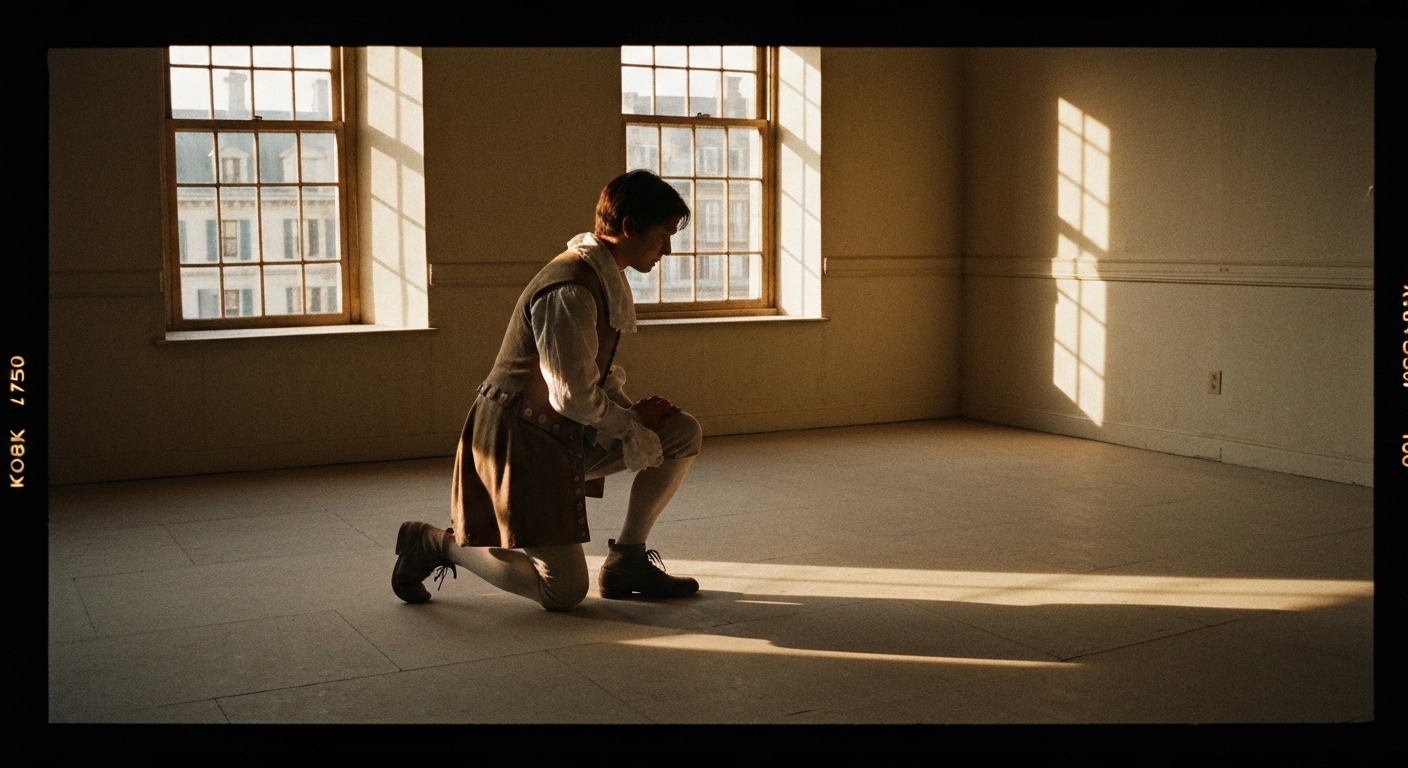 Leipzig, Saxony
 Johann Sebastian Bach - Every Note for God's Glory
Johann Sebastian Bach dedicated his entire musical genius to God's glory, writing 'Soli Deo Gloria' on his compositions and serving as a church musician.
Read the story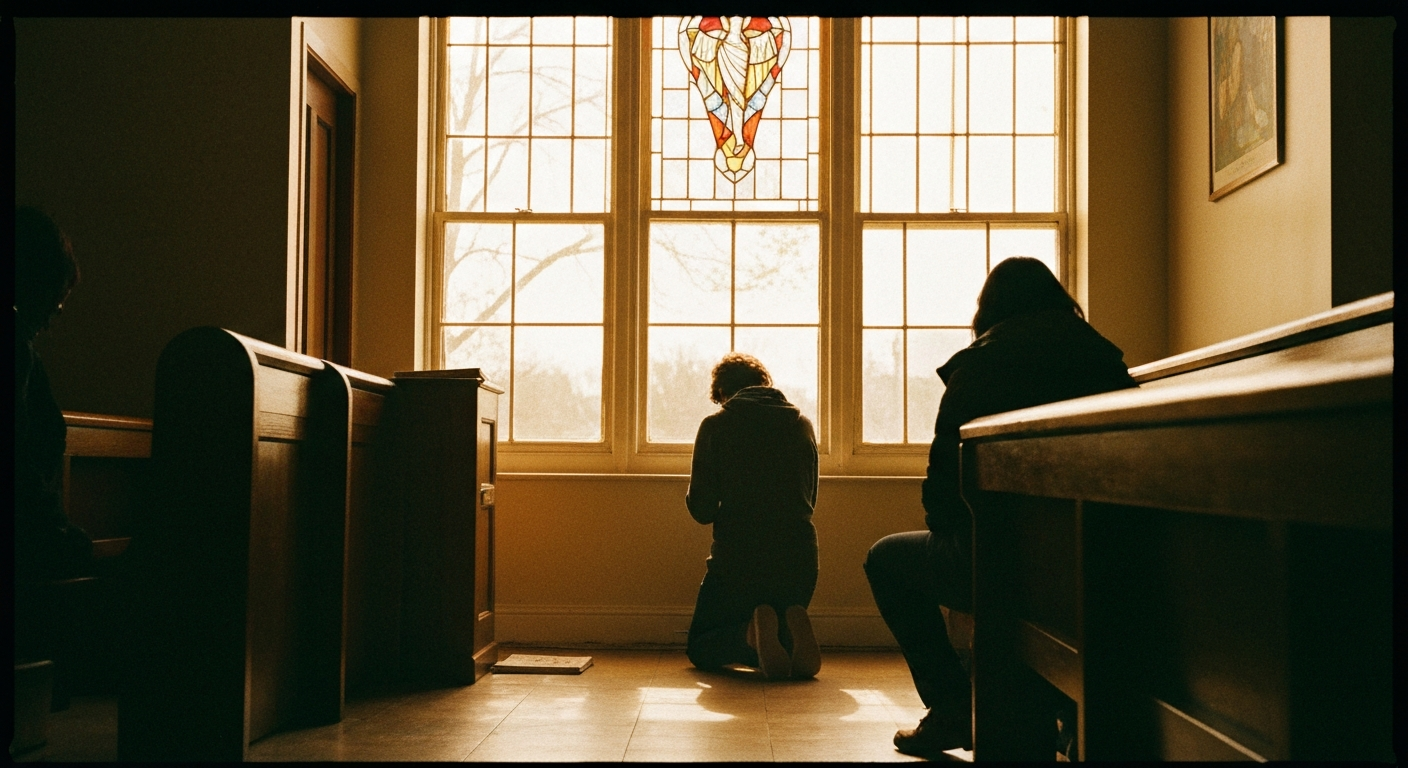 Iran
Iran Inside Iran's Underground Church
Iran's underground church is one of the fastest-growing in the world, the Holy Spirit is reaching Muslims through dreams, healings, and secret house churches despite severe persecution.
Read the story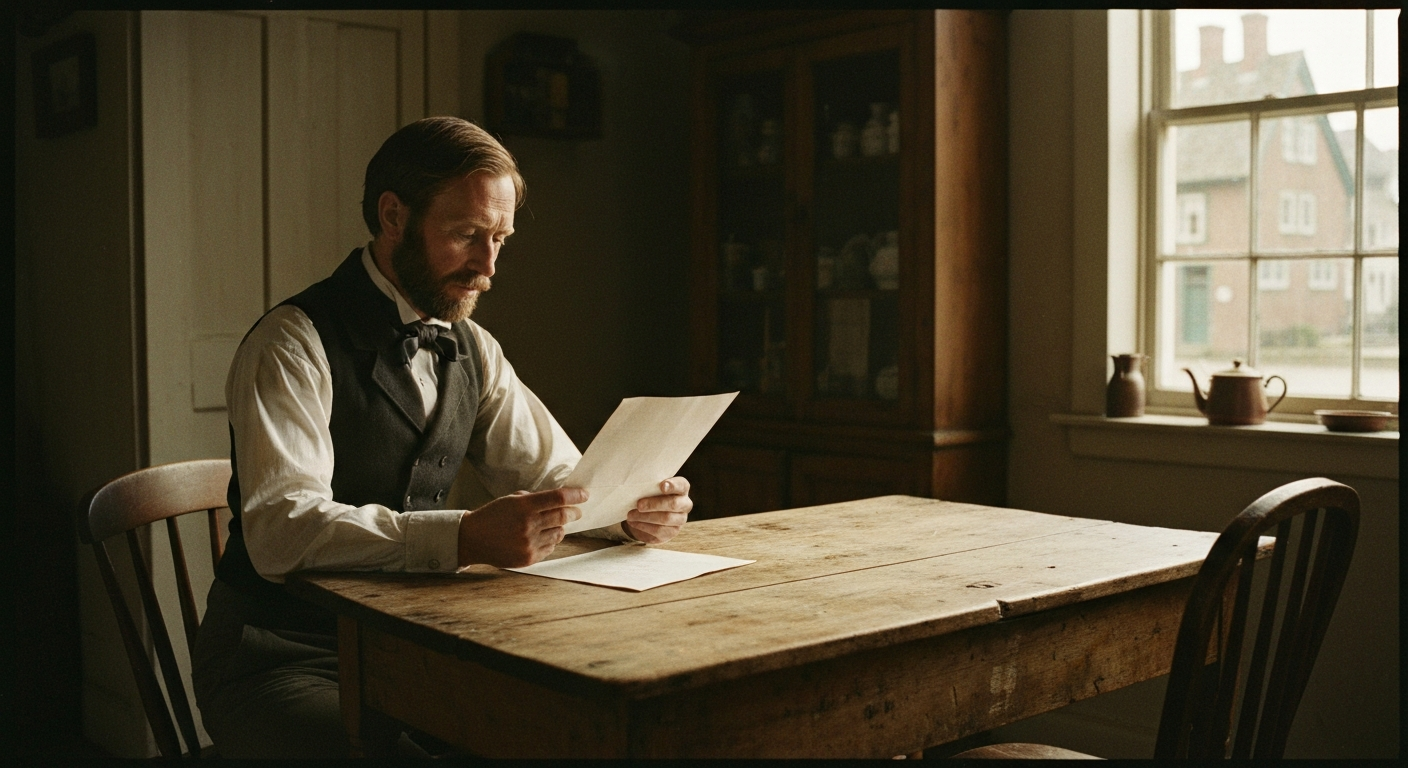 Bristol, City of Bristol
 When the Check Came - George Müller's Orphanages
George Müller cared for over 10,000 orphans in Bristol, England without ever asking anyone for money, trusting only God's provision through prayer.
Read the story