The Shipwrecked and the Steadfast: Why Remembering Matters
The words God spoke to you can get buried under deadlines, disappointments, and noise. You stop fighting with them without realising it. Remembering matters.

There is a kind of erosion that doesn't begin with doubt but with forgetfulness. It happens quietly, subtly. Not through rebellion but neglect.
The words God once said to you, through mentors, prayer, the deep stirrings of your spirit, get buried under deadlines, disappointments, and daily noise. And without even realizing it, you stop fighting with them. You stop fighting for them. This is why remembering God's faithfulness is more than sentiment; it is survival.
This is the beginning of shipwreck.
Paul warned Timothy of it plainly. "With this encouragement use your prophecies as weapons as you wage spiritual warfare by faith and with a clean conscience. For there are many who reject these virtues and are now destitute of the true faith." (1 Timothy 1:18-19)
Your Words Are Weapons
Prophetic words aren't just sweet encouragements or vague hopes. They are spiritual armory, swords forged in heaven for battles we haven't yet seen. When we fail to wield them, we leave ourselves exposed. Unanchored. Vulnerable to currents of culture, fear, and unbelief.
But when we remember them, speak them aloud, and align our actions with them, they become strength to our spine and fire in our lungs. They remind us who we are and what God has declared about us.
They stir courage when cynicism whispers and clarity when confusion clouds.

Timothy Needed the Same Reminder
Timothy was a young leader facing complex heresies, moral compromise, and spiritual weariness in Ephesus. Paul didn't hand him strategies or slogans. He called him back to the sacred charge given to him about his life: remember what God said about you. Remember who called you. Remember why you're here.
Some scholars believe the prophecies Timothy received were words of commissioning, declarations of his pastoral authority, and promises about the fruit of his ministry. In the early church, prophetic affirmation often accompanied leadership appointment. These weren't abstract sentiments; they were spiritual markers meant to guide and gird him.
And they are meant to do the same for us.

Recover Your Words
What has God said to you about your life that you've shelved? What promise did you stop fighting for? What calling have you allowed to grow faint in the noise?
Now is the time to recover them.
Pull them out. Write them down and keep them in the Doxa app, which exists to hold words like these. Speak them back to God. Let them become your battle cry again. Because those who abandon the virtues of prophecy, faith, a clean conscience, and bold remembrance, can end up destitute of the very faith they once proclaimed.
But those who fight with their words become immovable.
So stand up. Pick up the sword. And wage the good warfare.
The battle isn't over. And neither is your story.
Frequently Asked Questions
What does Paul mean in 1 Timothy 1:18 when he tells Timothy to "fight" with his prophecies?
Paul is describing something militarily practical, not metaphorical. The prophecies Timothy had received were specific words about his calling, character, and future ministry. Paul's instruction was to treat those words as active weapons in the ongoing work of faith: things to be recalled, spoken aloud, and aligned with, especially when opposition was heaviest. In ancient warfare a soldier's knowledge of their orders kept them from retreating under pressure. Timothy's prophetic words were meant to serve the same function: anchors against the drift of doubt, fear, and false teaching in Ephesus.
What is "shipwreck of faith" and how does forgetting prophetic words contribute to it?
Paul uses the shipwreck image in 1 Timothy 1:19 (BSB) to describe faith that has lost its structural integrity, not a sudden storm, but slow erosion of the things that kept it seaworthy. The post identifies the mechanism clearly: it rarely begins with rebellion. It begins with forgetfulness. When the words God spoke about your identity, calling, and purpose get buried under deadlines and disappointment, you quietly stop fighting for them. The anchor loses tension. The vessel drifts. The discipline of recovering and re-engaging those words is what keeps the ship on course.
How do I recover prophetic words I've forgotten or let go of?
The practical steps are simple even if the emotional work is harder: find whatever record exists, an old journal entry, a voicemail, a note from a mentor, and write the word down somewhere you will encounter it again. Speak it back to God in prayer. Let it move from archive to active engagement. If no record exists, ask the Holy Spirit to surface what He said, and pay attention over the following days to what rises. Doxa is specifically built for this discipline: it is a place to record, organise, and return to what God has said, so that nothing is lost in the noise and the words stay available when you need them most.
Keep Reading
- Timothy's Prophecies: Weapons Paul Told Him to Fight
- What Is a Personal Prophecy? A Plain English Guide
- Technology and God's Voice: Revelation in a Digital Age
- You Can Shipwreck Your Faith by Forgetting Your Prophecies
Doxa is built to help you remember what God said. Record your testimonies, revisit them when life gets hard, and engage with Scripture and 1,600+ real stories of God's faithfulness in The Grace Record. Get started free.

Download Doxa, the app for recording, weighing and remembering prophetic encouragement.


Read next


From the Grace Record
Real accounts of what God has done, drawn from 2,000 years of believers.
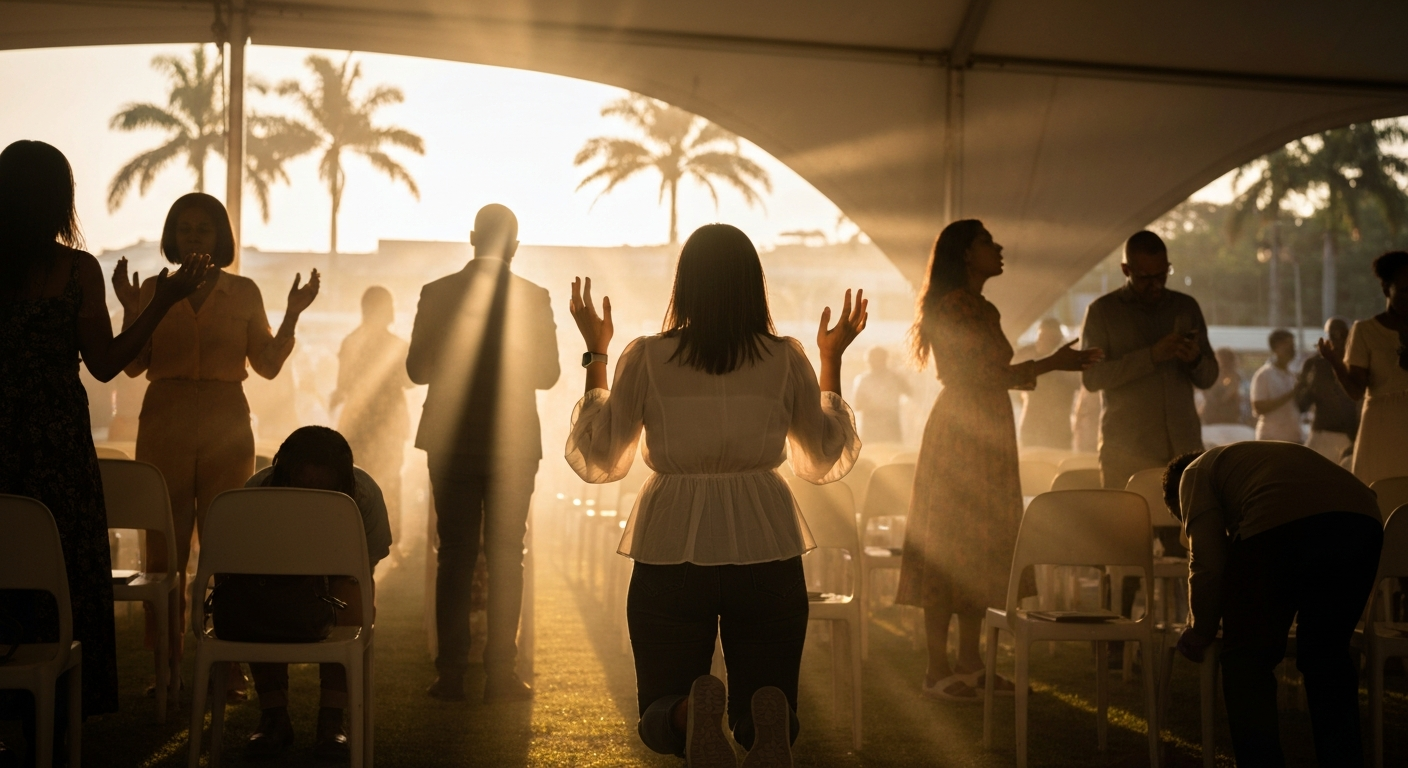 Durban, KwaZulu-Natal
 Miracle of Healing in South Africa
During a 2025 South Africa crusade, Precious was miraculously healed from diabetes through prayer, along with a woman healed from kidney infection.
Read the story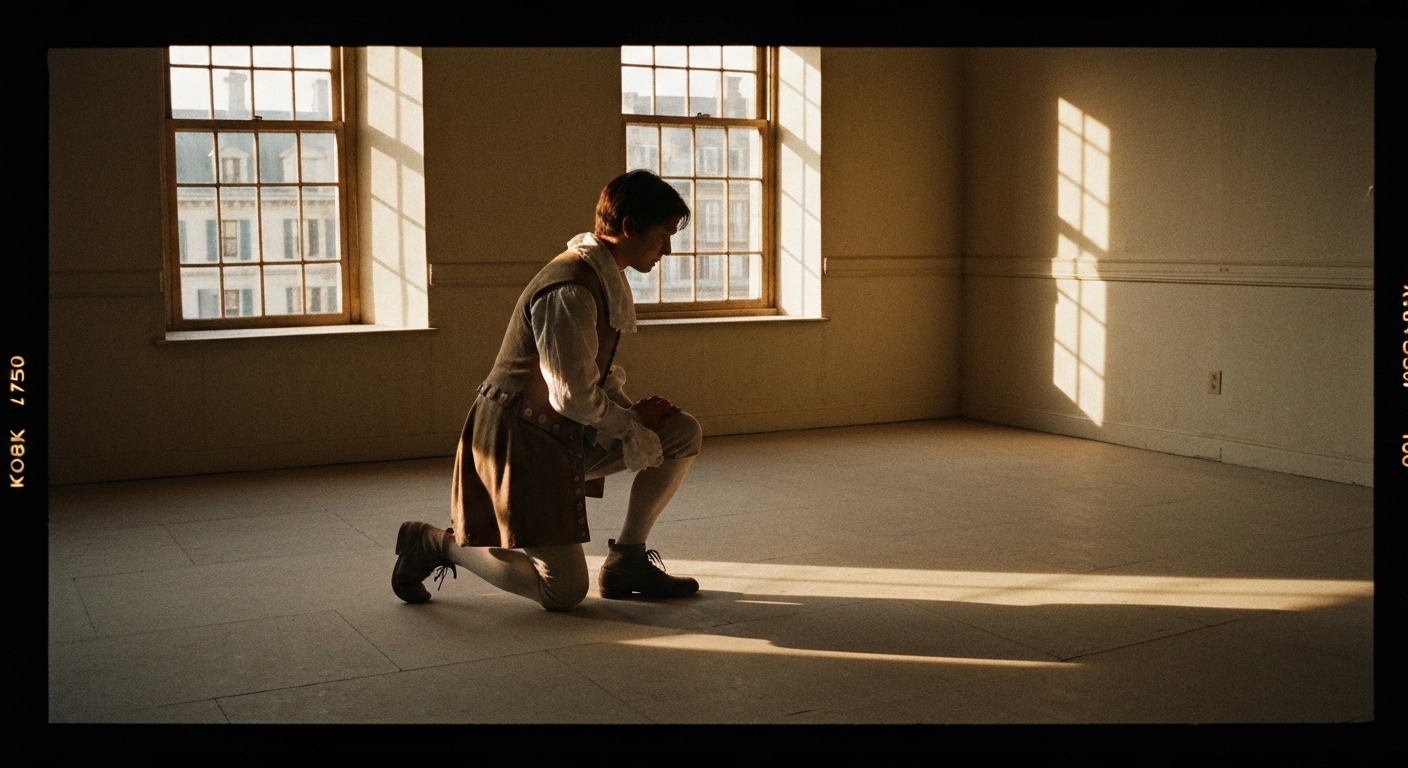 Leipzig, Saxony
 Johann Sebastian Bach - Every Note for God's Glory
Johann Sebastian Bach dedicated his entire musical genius to God's glory, writing 'Soli Deo Gloria' on his compositions and serving as a church musician.
Read the story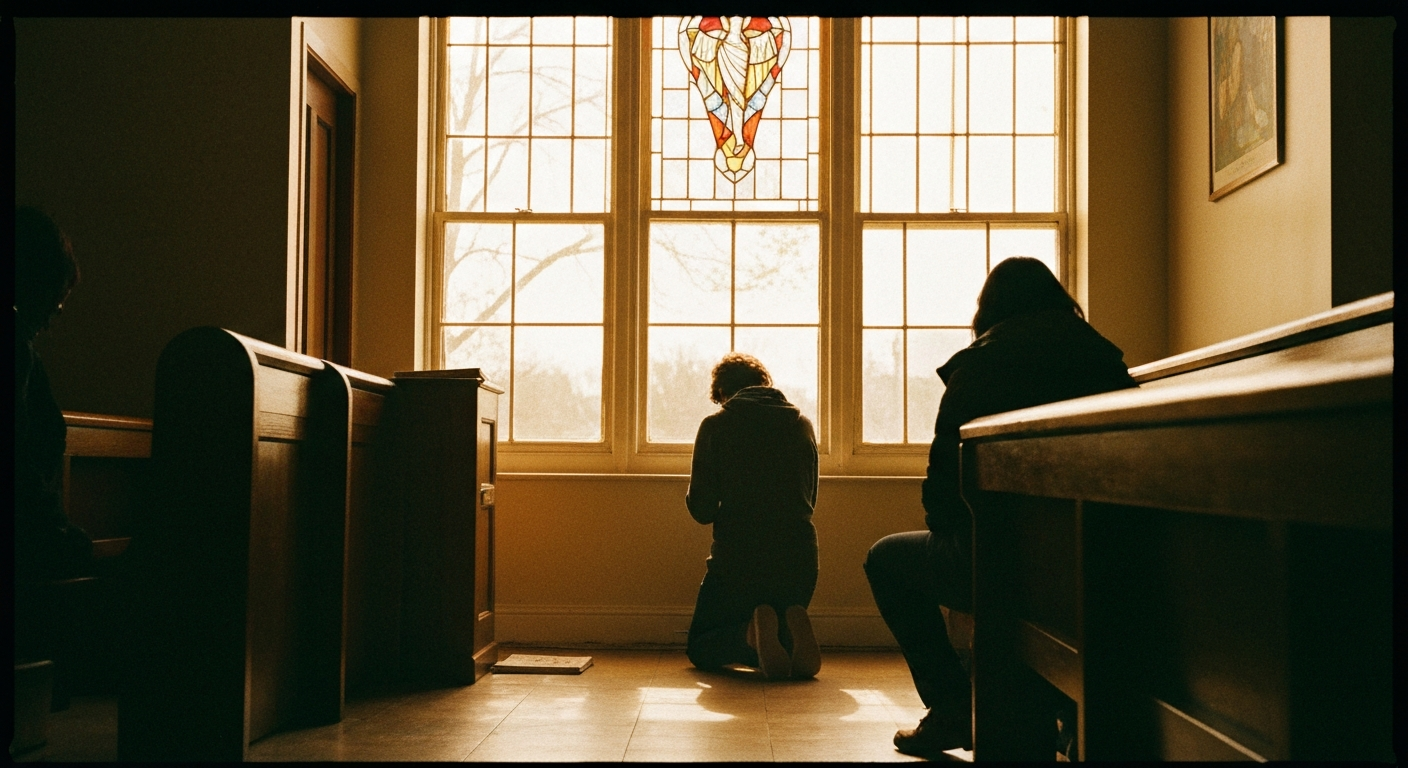 Iran
Iran Inside Iran's Underground Church
Iran's underground church is one of the fastest-growing in the world, the Holy Spirit is reaching Muslims through dreams, healings, and secret house churches despite severe persecution.
Read the story