How a pastor can share testimonies of God's faithfulness at a funeral
Invite two or three short testimonies of where God was faithful: ask the family first, agree timings, get consent, and keep the stories afterward.

Someone in the family says, quietly, that Mum prayed for her son for thirty years, and in the end he walked into church himself.
A pastor shares testimonies of God's faithfulness at a funeral by asking the family, before the service, where they saw God keep His word in this person's life, then giving two or three people a short, agreed slot to tell it. Visit the family, ask a few open questions, and keep their answers in their own words. Choose speakers who are willing, give each about two minutes, and place the testimonies between the tribute and the Scripture reading. Get consent before reading anything private or recording anything. Afterward, give the family the stories in writing so they can return to them on hard days.
Download Doxa, the app for recording, weighing and remembering prophetic encouragement.


Why share testimonies of God's faithfulness at a funeral?
A funeral is a room full of people who need to hear what God has done, in the life of someone they loved. A testimony gives that to them in a name, a place and a date. Each story shows the room who God is, through a person they knew.
The writer of Lamentations sat in the ruins of Jerusalem and still wrote: "Because of the loving devotion of the LORD we are not consumed, for His mercies never fail" (Lamentations 3:22). The next verse says: "They are new every morning; great is Your faithfulness!" (Lamentations 3:23). He wrote it in grief, and he wrote it down.
Paul, near the end of his life, could say: "I have fought the good fight, I have finished the race, I have kept the faith" (2 Timothy 4:7). A testimony at a funeral lets the family say the same kind of thing about their own person, in their own words.
A testimony and grief belong in the same service. The mourners are free to weep, and no one has to feel anything particular. The family offers the room something true: what they saw God do.
How do you gather testimonies from the family before the service?
Visit the family, ask a few open questions, and write down the answers as they speak. Do this at the first or second visit, once the practical arrangements are settled, and let them stop at any point.
Family-visit question sheet (print or paste into your handbook)
- When did you first see that faith was real for them?
- Is there a time you saw God come through for them, or for the family? What happened?
- Which verse, hymn or song did they come back to?
- What did they pray about for years? What happened to it?
- Who did they help, and who helped them, when things were hard?
- What did they say to you about God that you still remember?
- Is there a story you would like told, and one you would like left out?
Question 7 matters most. It lets the family decide what stays private before anyone else hears it.
Write down their exact words. If the family is too tired to answer, say you will come back, or ask only question 2. Some people have nothing to offer in the first days, and a gentle visit with no questions asked is a good visit. Never press, and never suggest that a family ought to feel more than they do.
Who should share a testimony at a funeral, and for how long?
Invite two or three people who knew the person well and want to speak, and give each about two minutes. A spouse, an adult child, a friend of many years and someone from church often cover different parts of a life.
Ask, and make it easy to say no. A person who agrees on Monday may be unable to stand up on Friday, so agree a back-up: a leader reads their written lines, or the family chooses another speaker. Ask each speaker to write or note their words beforehand, and offer to read a draft.
UK crematorium slots are often short and booked back to back, and many churches run a full service within a set time too. Ask the funeral director or crematorium how long you have before you plan anything. A simple timing plan to adapt:
| Part of the service | What it holds | Suggested share of the time |
|---|---|---|
| Welcome and opening prayer | Names the person, welcomes the family | A few minutes |
| Hymn or song | The family's choice | One song |
| Tribute | A short life story | Around a quarter |
| Testimonies of God's faithfulness | Two or three short voices | Around a quarter |
| Scripture reading and short word | A passage the family chose | Around a quarter |
| Committal and closing | The words your church uses | The remainder |
If the slot is tight, shorten the tribute before you cut the testimonies, or invite one testimony and keep the rest for the gathering afterward. A written copy can carry what the room has no time for.
Sample wording to introduce the slot:
Some of you knew Margaret as a neighbour, some as a mother, and some as a friend in church. Three people are going to tell us briefly where they saw God keep faith with her. Please listen as you are able, and take whatever you need from it.
How can the person's own record of what God said shape the service?
If the person kept a journal, a prayer list or a note of what they believed God had said to them, ask the family whether they would like a short extract read. Read only what the family and the page itself make clear they would want shared.
A single line from the journal, read aloud in their own words, can move everyone there. Give the family time to read it first. Private pages can hold a struggle, a name or a hurt that was never meant for a public room.
Consent matters here. The family decides, and an executor or next of kin usually has the authority to say yes. Choose extracts that show a person's trust in God, and leave out anything about another living person. If a prophecy or promise was given to them, the family may want it read, and you can report that it was written down at the time, without claiming what it means or what will come of it.
When there is no journal, ask the family what the person told them God had done. Their memory is a record too.
Which Scripture carries testimonies of God's faithfulness at a funeral?
Choose passages the family already knows, and read them slowly. These four carry the theme of remembered faithfulness:
- "Because of the loving devotion of the LORD we are not consumed, for His mercies never fail" (Lamentations 3:22).
- "Bless the LORD, O my soul, and do not forget all His kind deeds" (Psalms 103:2).
- "We will not hide them from their children but will declare to the next generation the praises of the LORD and His might and the wonders He has performed" (Psalms 78:4).
- "I have fought the good fight, I have finished the race, I have kept the faith" (2 Timothy 4:7).
Read one passage after the testimonies, and let the testimonies rest first. Resist the urge to explain them. The psalmist told Israel to pass on what the LORD had done, and a funeral is a place where that happens in a single afternoon. Every testimony points to the God who raised Jesus, and we remember what He has done in that hope. "For since we believe that Jesus died and rose again, we also believe that God will bring with Jesus those who have fallen asleep in Him" (1 Thessalonians 4:14).
Avoid reading Scripture as a promise about the person's eternal state in your own voice, or telling mourners what God is doing in the room. Read the text, and let it say what it says.
How do you keep the testimonies after the funeral so the family remembers?
Give the family a written copy of the testimonies within a week or two, dated, with the names of the speakers and the Scripture that was read. Ask first, and offer it as a gift. A grieving family often cannot recall what was said in the room.
Three habits help:
- Write up each testimony as it was spoken, with the speaker's agreement, and send it to the family.
- If you recorded or livestreamed the service, share the file only with the people who agreed to it.
- Offer to meet on the first anniversary, when the memories return.
On recording, UK GDPR gives special protection to special category data, and a person's religious belief falls in that category. A recording of a funeral testimony can reveal the faith of the speaker and of the family. The Information Commissioner's Office publishes guidance on consent and on special category data, and your church should follow it. Ask each speaker, in writing, before you record or livestream; tell the room at the door or in the order of service that recording is happening; frame the shot to leave out anyone who prefers not to appear; and let anyone withdraw consent later. Data protection rules apply to the living, and a family may still want to say what happens to a recording of someone they loved, so ask them.
The Israelites set up twelve stones after crossing the Jordan so that their children would ask what they meant, and so be told what God had done (Joshua 4:6-7). If a family member wants to keep the story privately, the Doxa app is where they can write it down with its date, ready to read again years from now. The story of a mother who prayed thirty years for her son, written down, is a stone for the family.
FAQ
How long should a testimony be at a funeral?
About two minutes each, with two or three speakers in total. Shorter is fine. Ask the funeral director for the length of your slot before you plan the order.
Do we need consent to record or livestream a funeral?
Yes. Ask each speaker, and the family, in writing before you record or livestream. Religious belief is special category data under UK GDPR, so follow the ICO's guidance and check with your safeguarding lead or data protection contact if you are unsure.
Can we read a person's private journal at their funeral?
Only with the family's agreement, after they have read it themselves. Choose short extracts, and leave out anything that names or affects another living person.
What if no one wants to speak?
Then no one speaks. Offer a written testimony a leader reads, or leave the slot out. A funeral without a testimony is a full funeral.
Should the pastor tell the family what God is doing?
No. Say what the family has seen, read what Scripture says, and leave the rest to God.
Keep Reading
- How to Encourage a Grieving Church Member with Scripture
- How to Collect and Keep Testimonies in Your Church
- Help a Church Member Prepare to Share Their Testimony
- Recording Prophetic Words: Consent and GDPR for Churches
Doxa keeps the testimony after the service too: dated, searchable, and part of the church's own record of what God has done. It is free to start. See how Doxa works for churches.
Download Doxa, the app for recording, weighing and remembering prophetic encouragement.
See more of Doxa when you search: add doxa.app as a preferred source on Google (opens in new tab)
Read next


From the Grace Record
1,300+ true stories of God at work.
Real, sourced accounts of what God has said and done, through history and today.
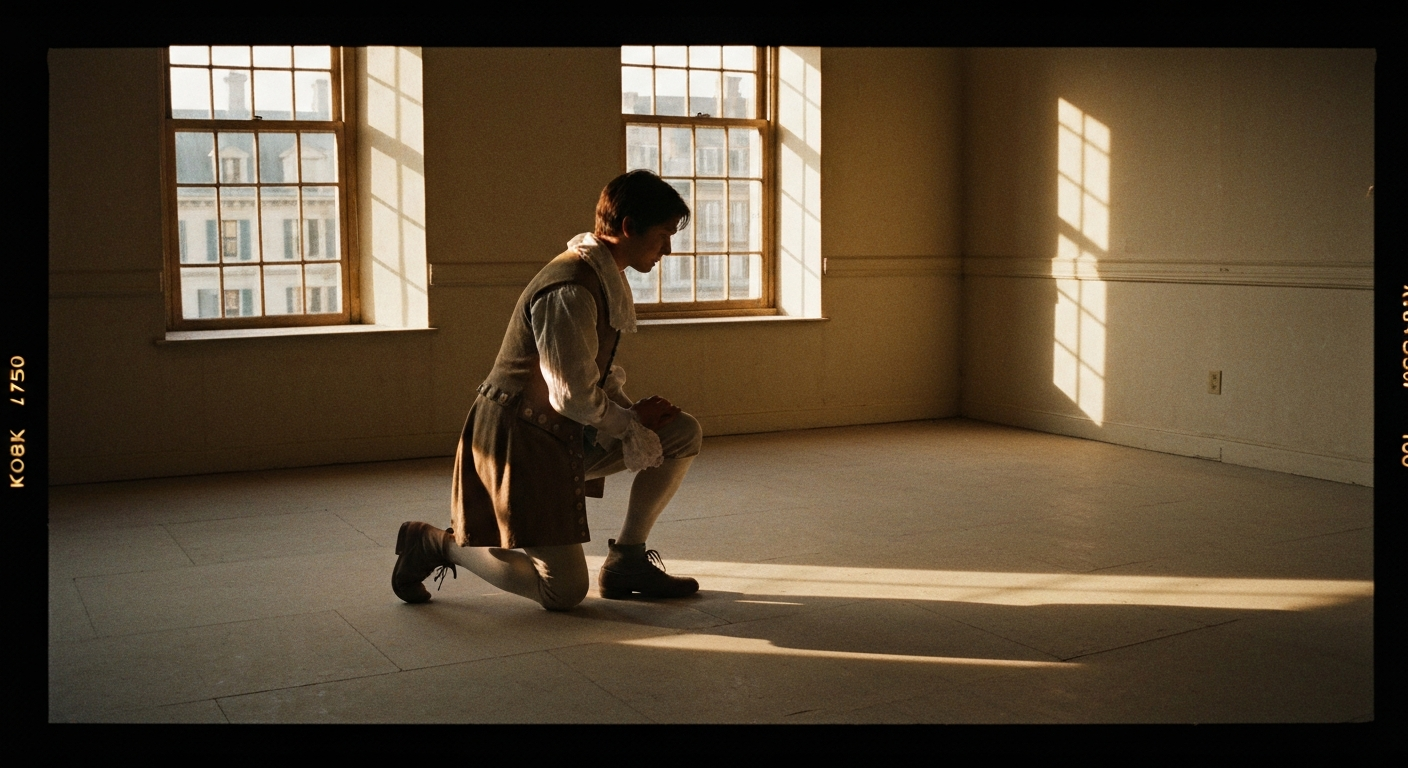 Leipzig, Saxony
Johann Sebastian Bach - Every Note for God's Glory
Johann Sebastian Bach dedicated his entire musical genius to God's glory, writing 'Soli Deo Gloria' on his compositions and serving as a church musician.
Read the story Iran
The Women Who Lead Iran's Underground Church When the Men Were Taken to Prison
When Iranian authorities imprison male house church leaders, women step forward to lead, teach, and multiply the underground church, making them the backbone of the fastest-growing church movement in the world.
Read the story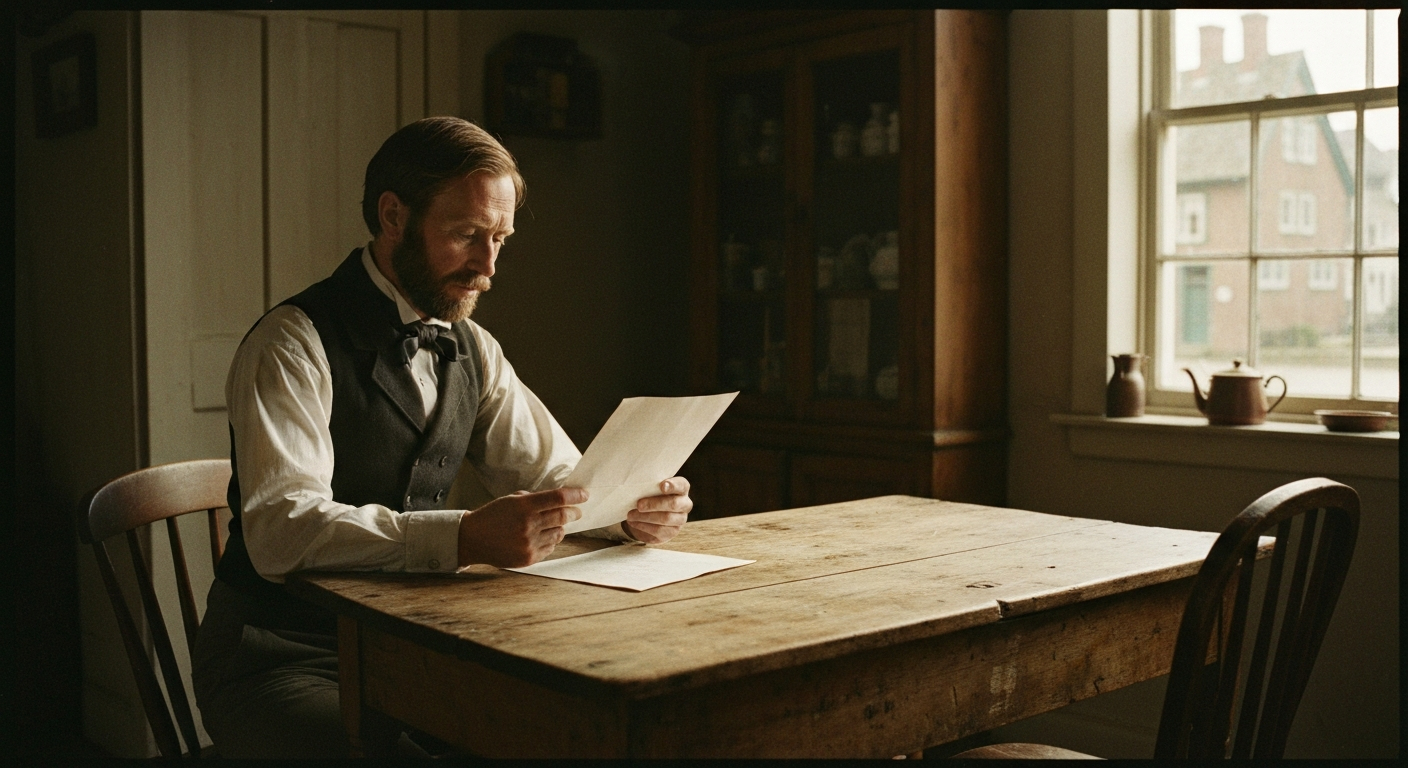 Bristol, City of Bristol
When the Check Came - George Müller's Orphanages
George Müller cared for over 10,000 orphans in Bristol, England without ever asking anyone for money, trusting only God's provision through prayer.
Read the story