Pray Like It Actually Changes Your City: Bible Lessons
Prayer changed cities in Scripture, from Nineveh to Acts. What happens when believers pray with urgency, believing the outcome actually depends on it?

A daily doxa series for the UK church: What They Gave Up, What They Gained - Day 18
We actively remember what God has promised and what He has already done, so we can fight the good fight and win. That remembering births courage.
Prophetic courage isn't just about speaking up; it's love that obeys. Grace first. Overflow, not effort.
Today's trade
This series traces a simple pattern we call the trade: someone lays down what they already have (reputation, safety, position, comfort, control), and God gives something better (clarity, freedom, courage, fruit) as they obey.
Today we're with Daniel, Esther & Mordecai, Hezekiah, and Nehemiah, , people who gave up self-reliance and hurry and gained opened doors, public courage, and help that could only be God.
Gave up: comfort, food, timelines we can manage, and the illusion we control outcomes.Gained: clear guidance, favour in high places, and rescue that changed streets and laws.
There is always fire on acceptable sacrifice.
Daniel , confession that turned the page (Daniel 9)
Who he is: An exile who rose to senior government by excellence and integrity.Context & date: Babylon/Persia, c. 539, 538 BC (first year of Darius). Daniel reads Jeremiah's prophecy about seventy years and realises the moment has come.Scene: evening light; ashes on a garment; a seasoned statesman on his knees.Gave up: rich food and normal routine to fast, confess, and ask mercy "for we have sinned."Courageous act/words: He took responsibility in prayer for a nation's failures and pleaded God's covenant love.Felt cost: humility before colleagues and kings; time given to mourning rather than manoeuvring.Gained: immediate clarity (Gabriel's message), a timeline for hope, and strength to keep serving until rebuilding began.Fire on the sacrifice: a leader's repentance paved the way for restoration.
Esther & Mordecai , fasting before the throne (Esther 4, 7)
Who they are: A Jewish queen in Persia and her older cousin who raised her.Context & date: Susa, c. 474, 473 BC. A genocidal decree is signed; the clock is running.Scene: shuttered windows; a city on edge; three days with no food, only prayer.Gave up: meals, sleep, and the illusion that strategy alone could save them.Courageous act/words: They called a citywide fast; Esther risked the throne room and told the truth at the right table.Felt cost: real danger; the ache of waiting while hungry; a plan held lightly.Gained: a turned sceptre, a turned decree, protection for the vulnerable.Fire on the sacrifice: shared hunger became shared rescue.

Hezekiah , spreading the letter before God (2 Kings 18, 19; Isaiah 36, 37)
Who he is: King of Judah who chose trust over tribute when Assyria swept the region.Context & date: Jerusalem, 701 BC. Sennacherib's army surrounds the city; taunts arrive in writing.Scene: stone floors in the temple; a king on his face with a letter laid open before God.Gave up: diplomatic theatre and saving face; he chose prayer over panic.Courageous act/words: He prayed, "You alone are God... deliver us, so that all kingdoms may know You."Felt cost: being called naive; pressure from every side.Gained: God's answer through Isaiah and a night of deliverance no tactic could manufacture.Fire on the sacrifice: a humbled ruler found peace where armies failed.
Nehemiah , tears that became permission (Nehemiah 1, 2)
Who he is: A trusted Persian official who became Jerusalem's rebuild leader.Context & date: Susa → Jerusalem, 445 BC. News arrives: walls down, people disgraced.Scene: a private room; weeping, fasting, a long, specific prayer; four months of waiting.Gave up: instant action and the safety of staying in the palace.Courageous act/words: He prayed first, then asked the king for letters, timber, and time.Felt cost: fear in the throat ("I was very much afraid"); career risk.Gained: royal favour, resources, and a city rebuilt in 52 days.Fire on the sacrifice: prayer shaped a plan, and doors opened on cue.

Prayer Moves You Into Public Life
Prayer isn't escape from the world; it's how God moves us into it with clarity and courage.
Fasted hours become turned decrees. Prayers become permission letters. Tears become timelines that only God could arrange.
This is how justice, mercy, love, joy, and peace step into streets and offices: when people lay down self-reliance and ask God boldly. If you want to grow in this, explore prayer journal prompts that can anchor your prayer life.
Tomorrow: Across the Line , Peter & Cornelius; Philip & the Ethiopian official; Paul, Barnabas & James (Acts 15); Onesimus & Philemon (with Paul); Jesus & the Syrophoenician woman. The trade: giving up prejudice and comfort zones to gain a family that spans cultures.
Keep Reading
- How to Journal Your Faith (Even If You Hate Writing)
- Prayer Journal Prompts: 30 Questions to Go Deeper with God
- How to Build a Culture of Remembering in Your Church
- Christian Affirmations vs Manifestation: The Difference
Doxa is built to help you remember what God said. Record your testimonies, revisit them when life gets hard, and engage with Scripture and 1,600+ real stories of God's faithfulness in The Grace Record. Get started free.
Download Doxa, the app for recording, weighing and remembering prophetic encouragement.


Read next


From the Grace Record
Real accounts of what God has done, drawn from 2,000 years of believers.
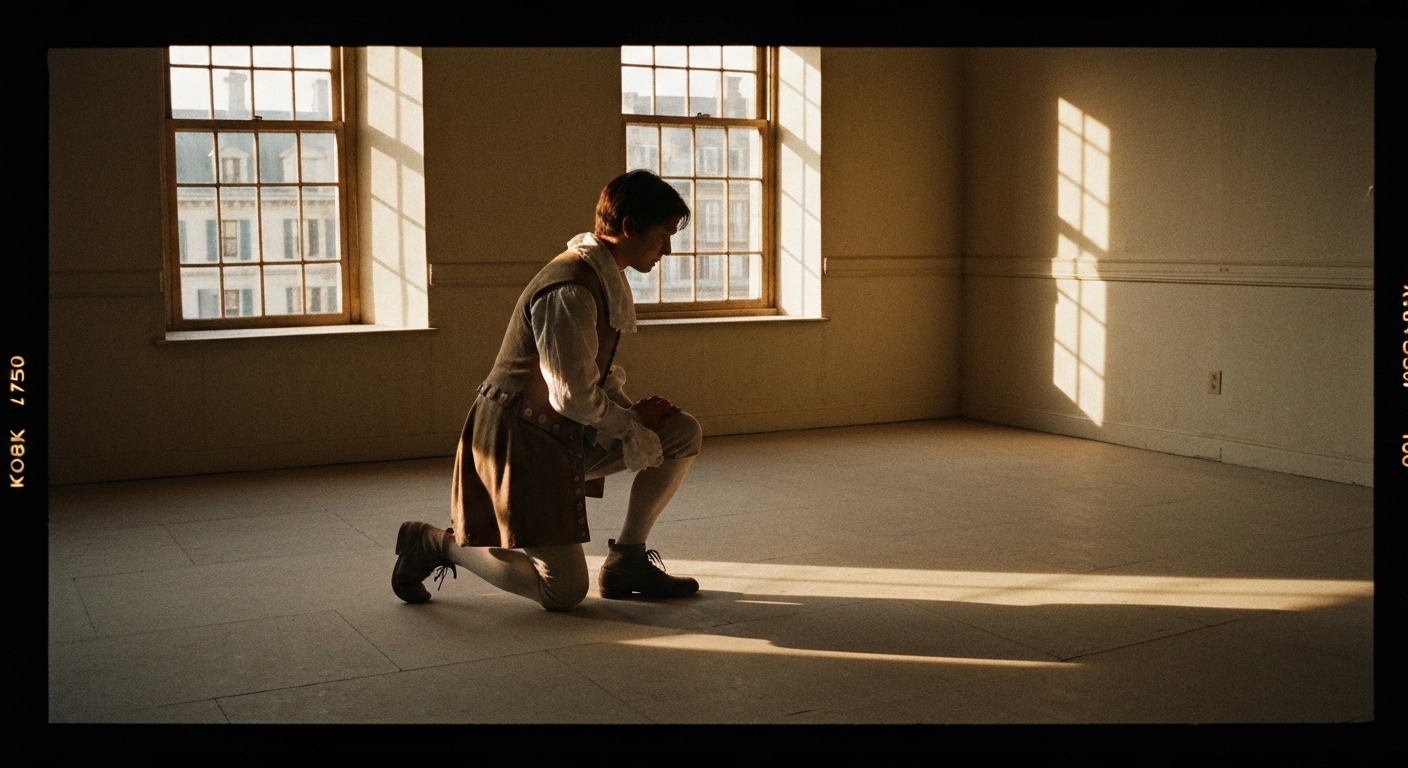 Leipzig, Saxony
 Johann Sebastian Bach - Every Note for God's Glory
Johann Sebastian Bach dedicated his entire musical genius to God's glory, writing 'Soli Deo Gloria' on his compositions and serving as a church musician.
Read the story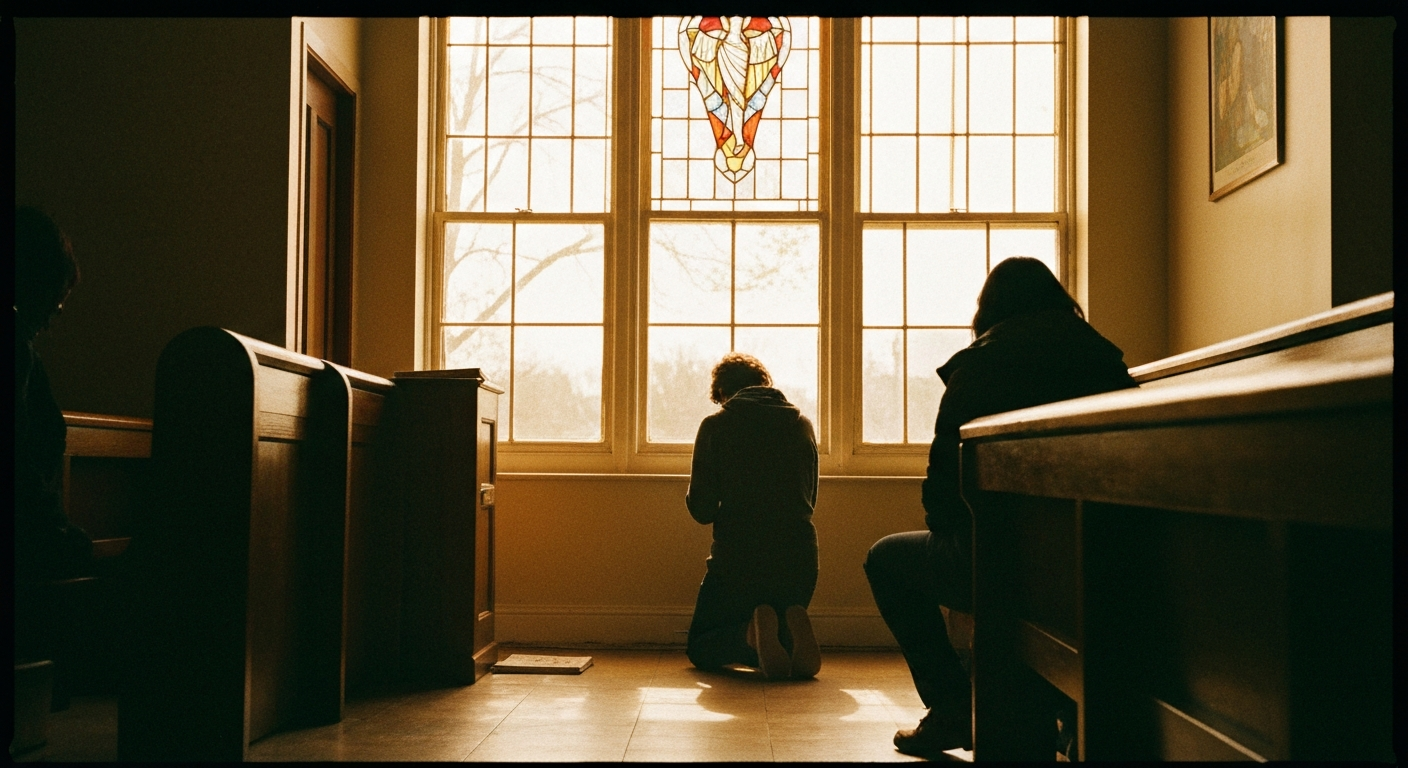 Iran
Iran Inside Iran's Underground Church
Iran's underground church is one of the fastest-growing in the world, the Holy Spirit is reaching Muslims through dreams, healings, and secret house churches despite severe persecution.
Read the story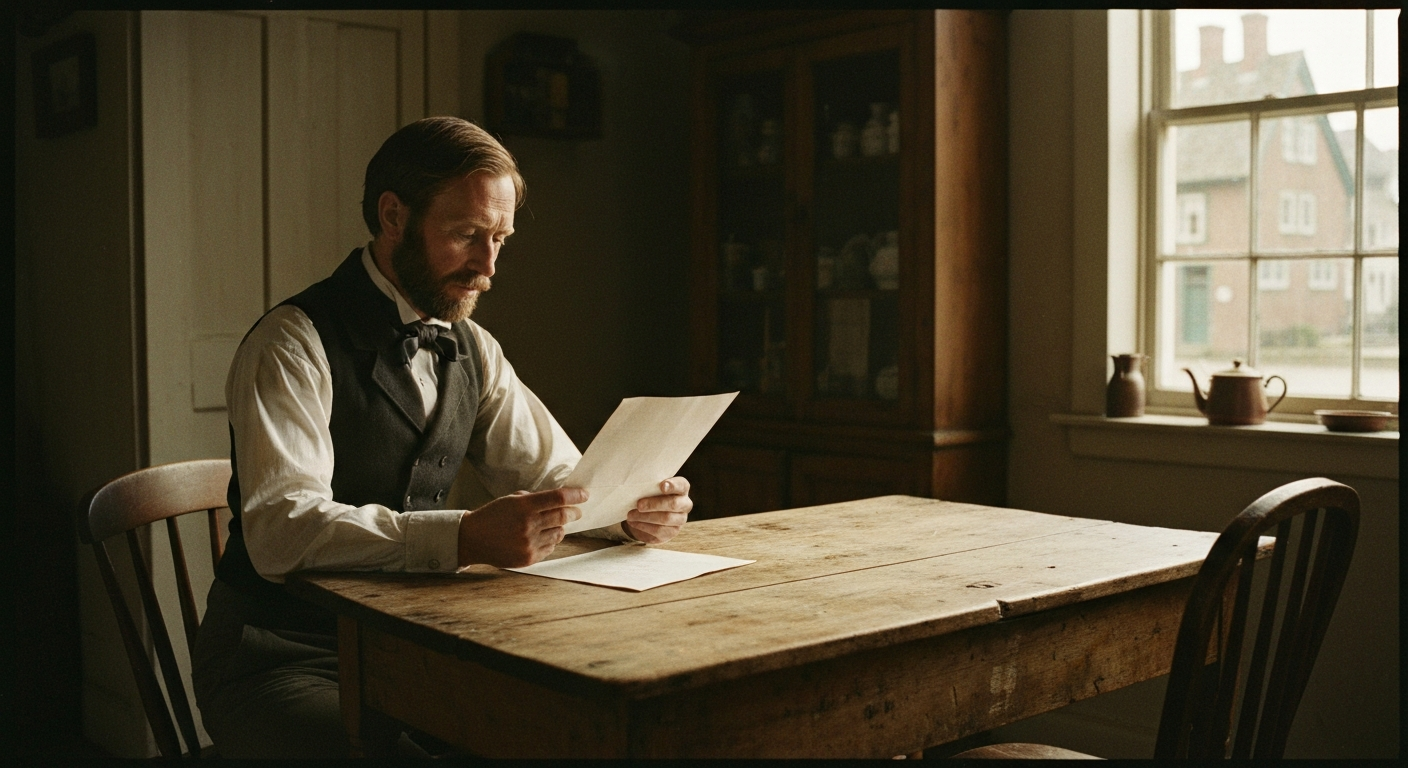 Bristol, City of Bristol
 When the Check Came - George Müller's Orphanages
George Müller cared for over 10,000 orphans in Bristol, England without ever asking anyone for money, trusting only God's provision through prayer.
Read the story