How Can I Know? God Cuts a Covenant with Abram (Genesis 15)
Day twenty-six of a walk through the whole Bible to know the God who speaks. Abram has just been counted righteous for believing, and now he asks God plainly how he can be sure of the land he was promised. God answers by cutting a covenant in the old way, halved animals and a path of blood, then puts Abram to sleep and passes through the pieces alone as a smoking firepot and a flaming torch. Why God binds only Himself, records four hundred years of history before it happens, and what it means that He swore this oath by Himself so it could be held long after Abram was gone.
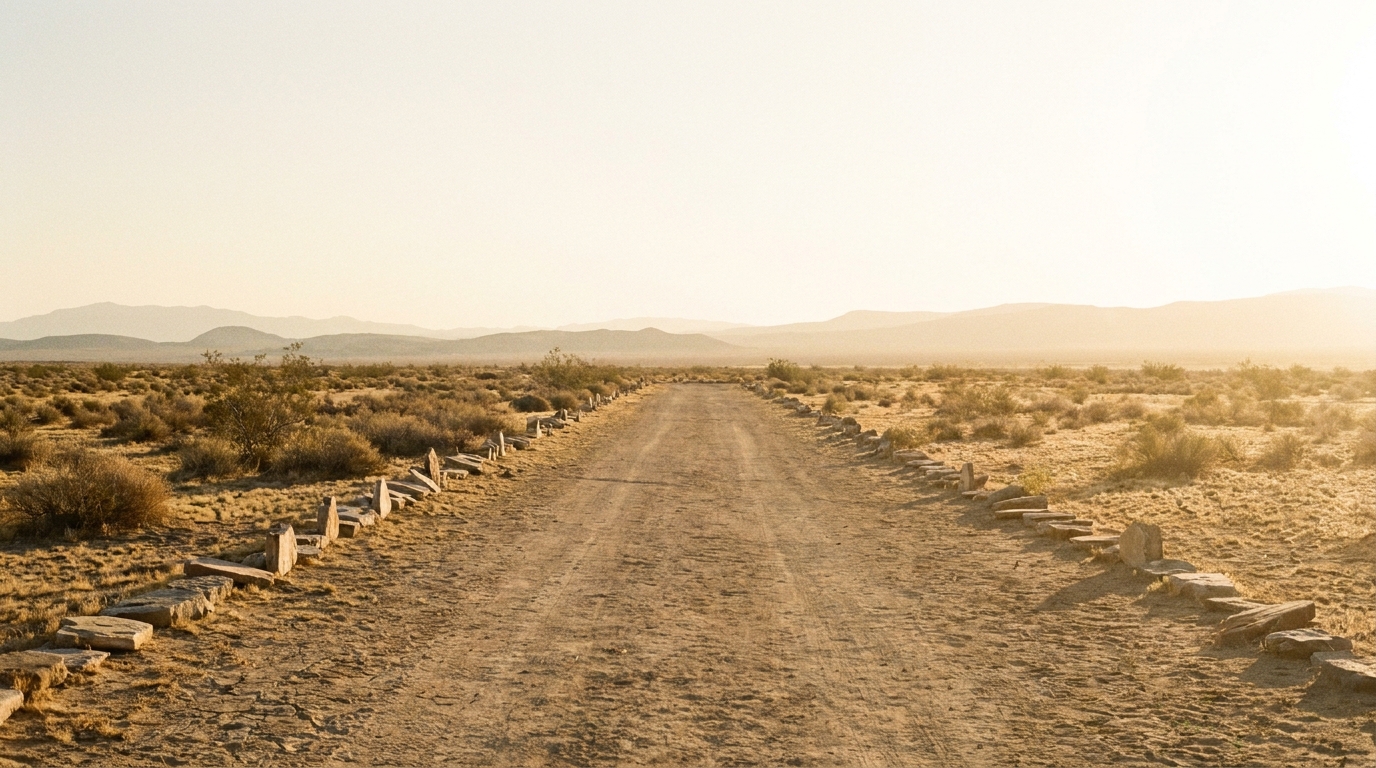
Abram asks God how he can be sure.
He has just believed the impossible. God showed him a sky full of stars and promised him a family to match, and Scripture counted his trust as righteousness. Now God speaks again and names Himself by what He has already done. "I am the LORD, who brought you out of Ur of the Chaldeans to give you this land to possess" (Genesis 15:7). And the man just called righteous for believing asks a blunt, honest question: "Lord GOD, how can I know that I will possess it?" (Genesis 15:8). Here, asking for certainty is part of faith, and God treats the question as fair. He takes it seriously and answers it.
His answer looks strange to us and was unmistakable to Abram. "Bring Me a heifer, a goat, and a ram, each three years old, along with a turtledove and a young pigeon" (Genesis 15:9). Abram kills the animals and splits them "down the middle, and laid the halves opposite each other" (Genesis 15:10), a path of blood with an aisle down the centre. This was how people of that world made a covenant they meant to keep. The two who were binding themselves would walk together between the pieces, as good as saying, may I be torn apart like these animals if I break my word.
Then the afternoon wears on. Birds of prey come down on the carcasses and Abram drives them away (Genesis 15:11). As the sun sets a deep sleep falls on him, and "great terror and darkness overwhelmed him" (Genesis 15:12). In the dark God tells him the long road ahead before any of it happens: four hundred years as strangers in a land not their own, slavery, then judgment on the nation that enslaves them, then a people walking out with great possessions, and Abram himself buried in peace at a ripe old age (Genesis 15:13-16). God writes the future into Abram's hearing, so that generations later, worn down in Egypt, his children can remember it was promised.
Then the covenant is cut, and here is the wonder of it. "A smoking firepot and a flaming torch appeared and passed between the halves" (Genesis 15:17). Fire and smoke, the way God will one day come down on Sinai. God moves along the path of blood while Abram lies asleep, and He binds only Himself. The man who wanted to know is left out of the ceremony altogether; the promise now rests on God's side alone. He takes its whole weight onto His own name and swears by the only one greater He could swear by, which is Himself (Hebrews 6:13).
Centuries on, God kept this oath at a price no one beside that firepot could have guessed. The covenant He swore alone and would never break, He honoured by carrying its curse Himself. "Christ redeemed us from the curse of the law by becoming a curse for us" (Galatians 3:13). The torch that passed between the pieces was already on its way to a cross.
So when you need to know God will keep His word, look at the lengths He has gone to so you can. He gave Abram an oath, cut in blood, and a history written down in advance, so the promise could be carried for four hundred years by people who held nothing else. To know the God who speaks is to bring Him your honest question the way Abram did, and then go and read back what He has already bound Himself to. Write down the promise that is keeping you while its fulfilment is still far off, and read it again on the nights the tent feels empty.
What has God promised that you are still waiting on, and where could you write it down tonight, so that years from now you can point to the day He said it?
Deeper study today in the Doxa Deeper Dive, on the Hebrew behind cutting a covenant, the self-binding oath Abram's neighbours would have recognised at once, the deep sleep that echoes the garden, and why only God walked the path of blood. Read it here.
Continue this pillar
Trust
Next in the practice
Hear & Recognise
Knowing God's voice the way a child knows their mother's.
Try Doxa free
Three free interactions in your browser. No signup required to start.Free on iOS and Android.
Try Doxa Free

Or get the app for unlimited interactions and live voice.
Keep reading
 Hear & Recognise
 Abraham Obeyed on That Very Day: Genesis 17 and the Exodus Night
Day thirty of a walk through the whole Bible to know the God who speaks, opened up. Genesis 17:15-27 in the original words: where the Hebrew verb behind Abraham's laugh runs next in Genesis, the verb hidden inside God's answer about Ishmael, what the law of the day said about a slave woman's son, and why 'on that very day' was the phrase Israel used for the night they left Egypt. How the book's first hearers heard their own exodus in their father's obedience.
 Hear & Recognise
 Why Did Abraham Laugh? God Names Isaac a Year Early (Genesis 17)
Day thirty of a walk through the whole Bible to know the God who speaks. Abraham falls facedown and laughs at the promise of a son at a hundred, then pleads for Ishmael, the son he can already see. God hears both, names the child Isaac, which means he laughs, and sets the date a year out. Genesis 17:15-27: why Sarai becomes Sarah, what 'I have heard you' does with Ishmael's name, and why Abraham obeyed on that very day.
From the Grace Record
Real accounts of what God has done, drawn from 2,000 years of believers.
 Durban, KwaZulu-Natal
 Miracle of Healing in South Africa
During a 2025 South Africa crusade, Precious was miraculously healed from diabetes through prayer, along with a woman healed from kidney infection.
Read the story Leipzig, Saxony
 Johann Sebastian Bach - Every Note for God's Glory
Johann Sebastian Bach dedicated his entire musical genius to God's glory, writing 'Soli Deo Gloria' on his compositions and serving as a church musician.
Read the story Iran
Iran Inside Iran's Underground Church
Iran's underground church is one of the fastest-growing in the world, the Holy Spirit is reaching Muslims through dreams, healings, and secret house churches despite severe persecution.
Read the story