Sarai, Hagar, and Abram: Helping God Keep His Promise (Genesis 16)
Day twenty-seven of a walk through the whole Bible to know the God who speaks. Ten years after God promised Abram a son, Sarai is still barren, so she gives her Egyptian servant Hagar to Abram to build a family the way her world approved, and Abram listens to her voice instead of waiting on the God who made the promise. Why the reasonable, everyone-does-it plan was still unbelief, how one Hebrew phrase ties this moment to Adam in the garden, and what it means to keep holding what God has said when the waiting outlasts your patience.
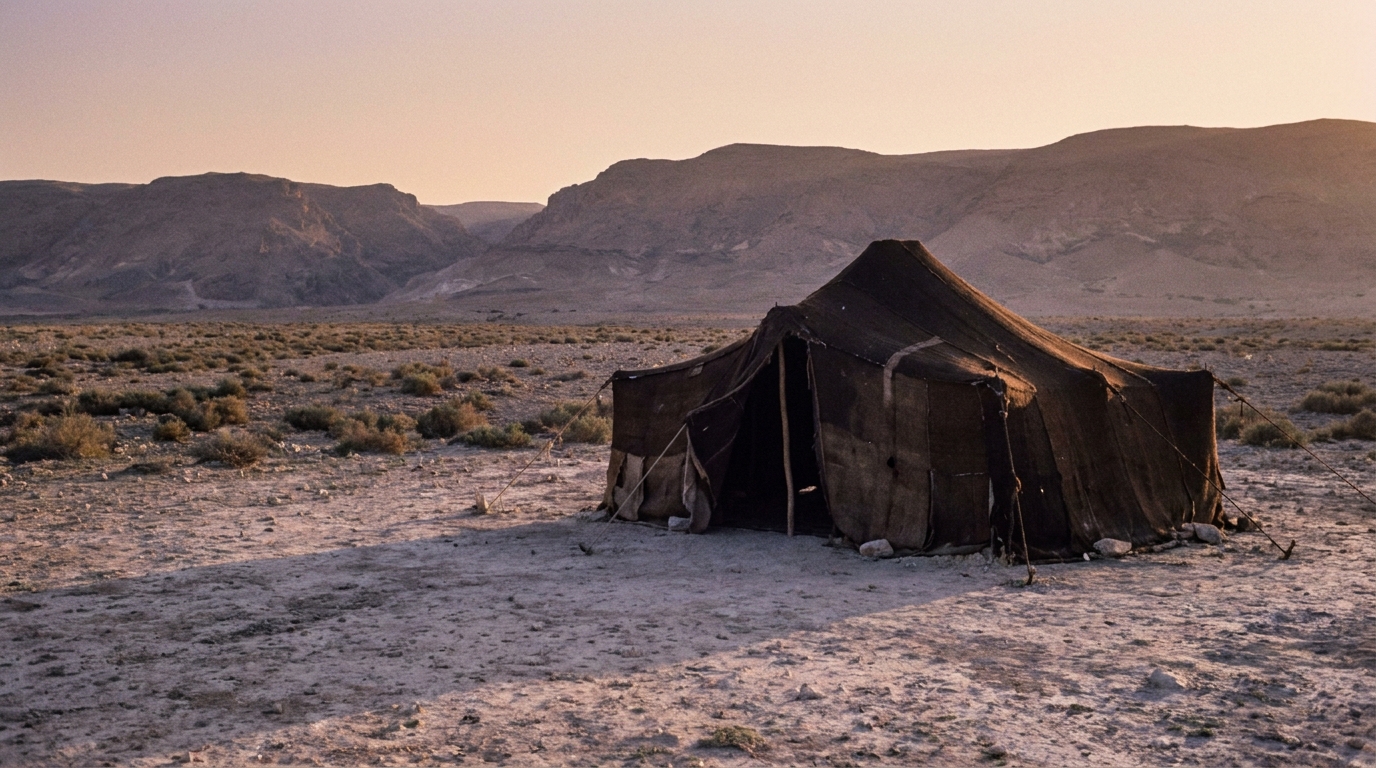
Ten years is a long time to hold a promise.
Abram had counted the stars. God had told him his children would be that many, and he believed it, and God credited his belief as righteousness (Genesis 15:5-6). Then the years went by. Sarai stayed barren. The tent stayed quiet. And a promise you cannot see moving starts to feel like a promise that needs your help.
So Sarai does the sensible thing. "Look now, the LORD has prevented me from bearing children. Please go to my maidservant; perhaps I can build a family by her" (Genesis 16:2). She has an Egyptian slave named Hagar, and in that world this was the ordinary, legal fix for a barren wife: give your servant to your husband, and her child counts as yours. Sarai is being reasonable. That is what makes the moment so easy to miss.
Then one line turns the whole story. "And Abram listened to the voice of Sarai" (Genesis 16:2). Hold that phrase. To listen to the voice of is the very thing Scripture asks us to do with God, and it is what Abram had been doing since chapter twelve, when he heard the LORD and went. Here he hears a different voice, a voice he loved, and he follows it instead of waiting on the One who had made the promise. He had God's own word about this very thing. He set it down and picked up a plan.
The plan works, and it wounds everyone it touches. Hagar conceives and looks at her mistress with contempt. Sarai turns on Abram: "May the LORD judge between you and me" (Genesis 16:5). Abram steps back and lets Sarai deal harshly with the pregnant woman, who runs into the desert alone (Genesis 16:6). Three people tried to shortcut a promise, and a whole household is left in grief.
Paul later reads this exact scene and names what went wrong. Ishmael was "born according to the flesh" (Galatians 4:23), and Isaac "born through the promise" (Galatians 4:23). One son came from waiting on God. The other came from helping God, and helping God is its own quiet kind of unbelief. The child of the promise was still coming. Abram just could not see him yet.
The danger for us looks ordinary. It comes as a reasonable plan, at the ten-year mark, when the thing God said still has not happened and a good voice offers a faster road. To know the God who speaks is to keep holding what He actually said when the waiting gets long, instead of trading it for a plan you can make happen this year.
So go back to what He said. Write down the promise you are tempted to hurry, the exact words, with the date. Read them again before you reach for the shortcut, and let them be louder than the sensible voice telling you God needs your help.
Where are you tempted to build with your own hands what God said He would build, and what exactly did He say that you could write down again today?
Deeper study today in the Doxa Deeper Dive, on the Hebrew word Sarai chose for building a family, the son-and-house wordplay under it, the surrogate custom Abram's world took for granted, and why the phrase listened to the voice is the same one that undid Adam. Read it here.

Continue this pillar
Trust



Next in the practice
Hear & Recognise
Knowing God's voice the way a child knows their mother's.
Try Doxa free
Three free interactions in your browser. No signup required to start.Free on iOS and Android.
Try Doxa Free

Or get the app for unlimited interactions and live voice.
Keep reading
 Hear & Recognise
 Abraham Obeyed on That Very Day: Genesis 17 and the Exodus Night
Day thirty of a walk through the whole Bible to know the God who speaks, opened up. Genesis 17:15-27 in the original words: where the Hebrew verb behind Abraham's laugh runs next in Genesis, the verb hidden inside God's answer about Ishmael, what the law of the day said about a slave woman's son, and why 'on that very day' was the phrase Israel used for the night they left Egypt. How the book's first hearers heard their own exodus in their father's obedience.
 Hear & Recognise
 Why Did Abraham Laugh? God Names Isaac a Year Early (Genesis 17)
Day thirty of a walk through the whole Bible to know the God who speaks. Abraham falls facedown and laughs at the promise of a son at a hundred, then pleads for Ishmael, the son he can already see. God hears both, names the child Isaac, which means he laughs, and sets the date a year out. Genesis 17:15-27: why Sarai becomes Sarah, what 'I have heard you' does with Ishmael's name, and why Abraham obeyed on that very day.
From the Grace Record
Real accounts of what God has done, drawn from 2,000 years of believers.
 Iran
Iran Inside Iran's Underground Church
Iran's underground church is one of the fastest-growing in the world, the Holy Spirit is reaching Muslims through dreams, healings, and secret house churches despite severe persecution.
Read the story Bristol, City of Bristol
 When the Check Came - George Müller's Orphanages
George Müller cared for over 10,000 orphans in Bristol, England without ever asking anyone for money, trusting only God's provision through prayer.
Read the story Iran
Iran The Women Who Lead Iran's Underground Church When the Men Were Taken to Prison
When Iranian authorities imprison male house church leaders, women step forward to lead, teach, and multiply the underground church, making them the backbone of the fastest-growing church movement in the world.
Read the story